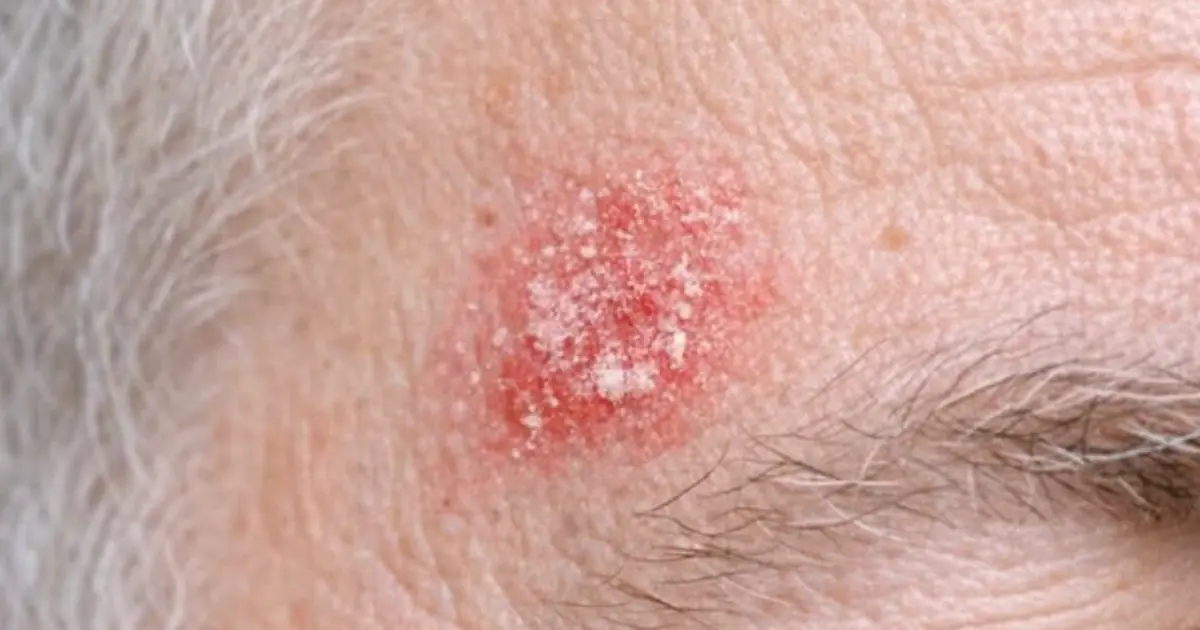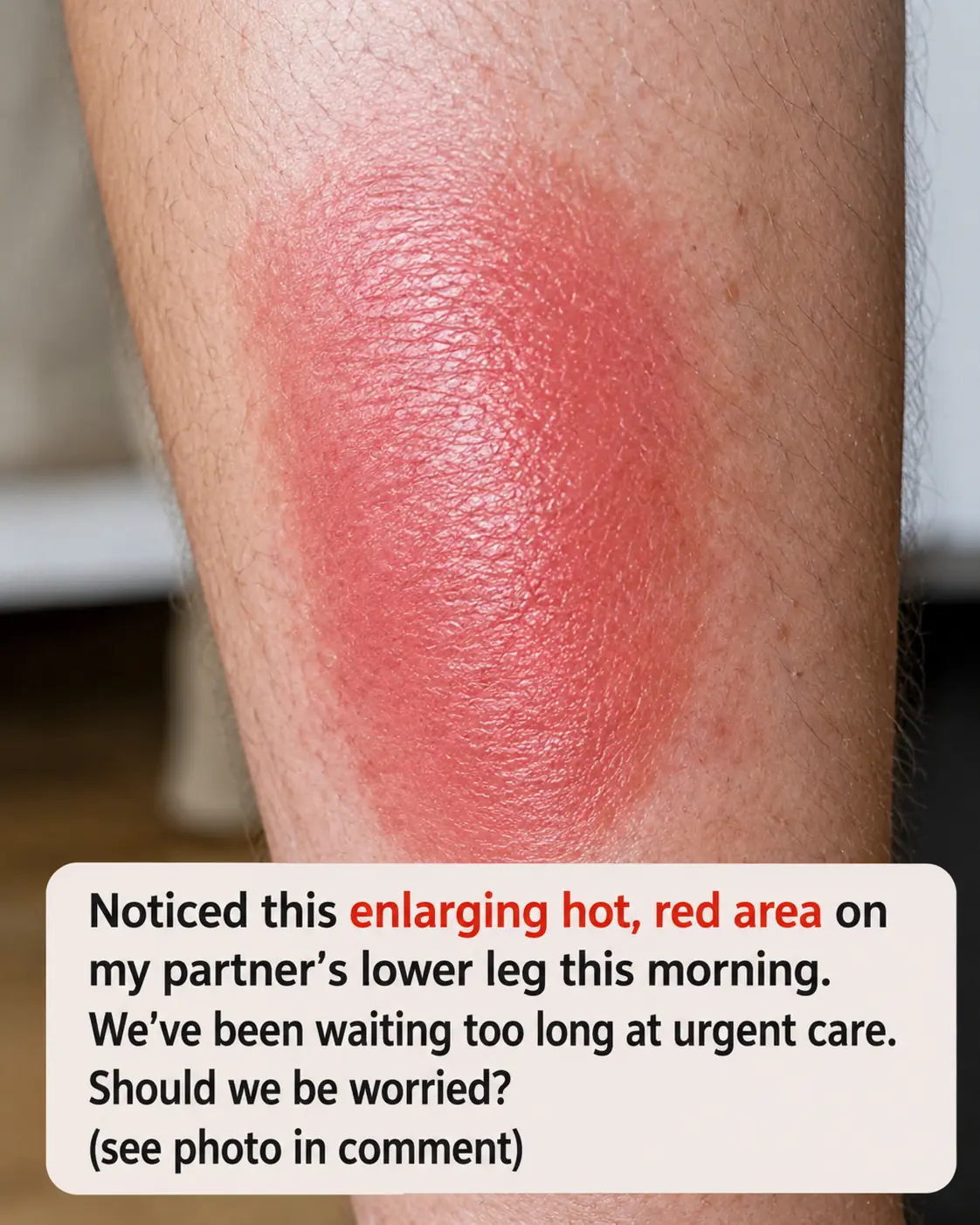
My husband woke up with this spreading hot red swollen patch on his lower leg. We are hours from urgent care and the nurse line is busy. Is this serious?
Tips 03/09/2026 14:46
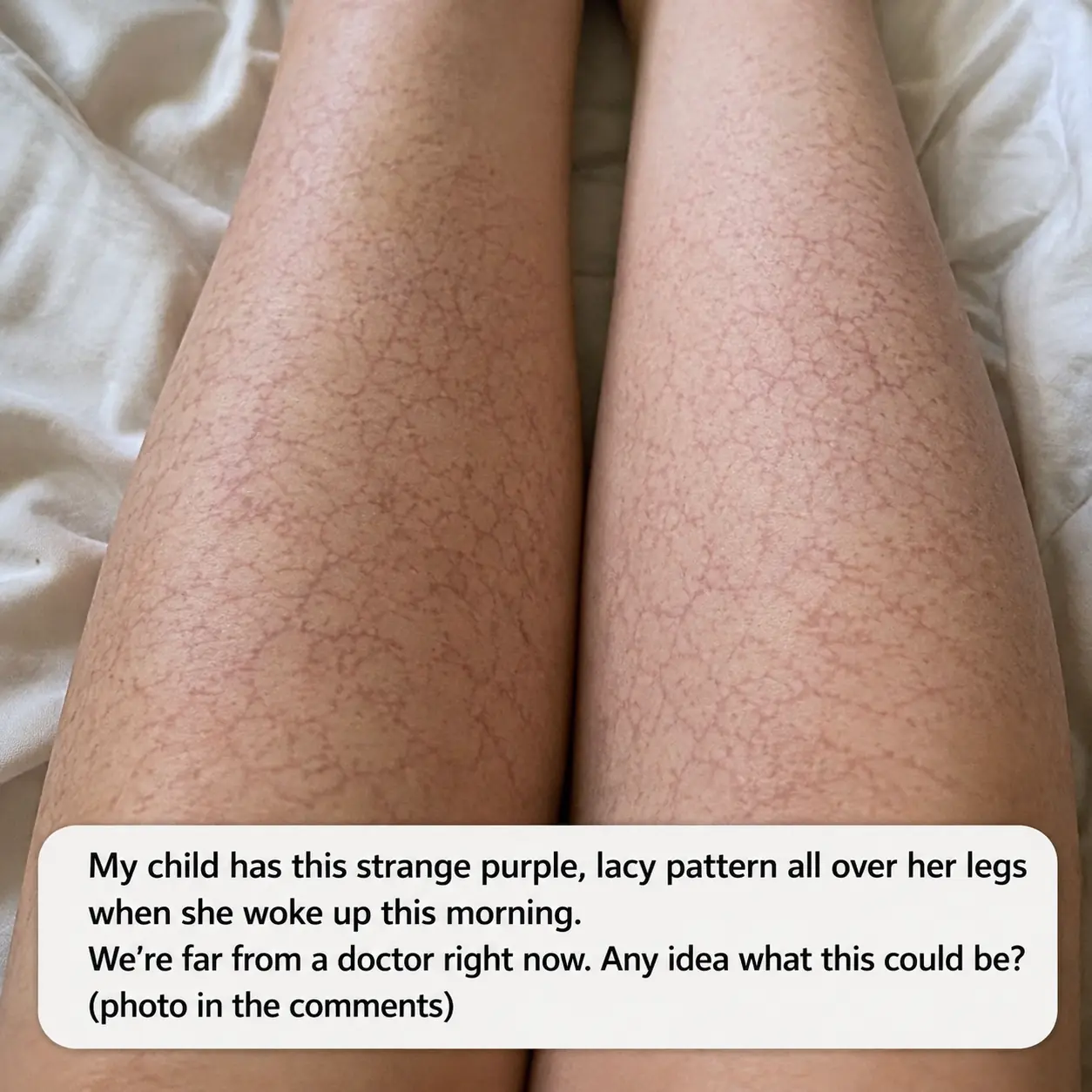
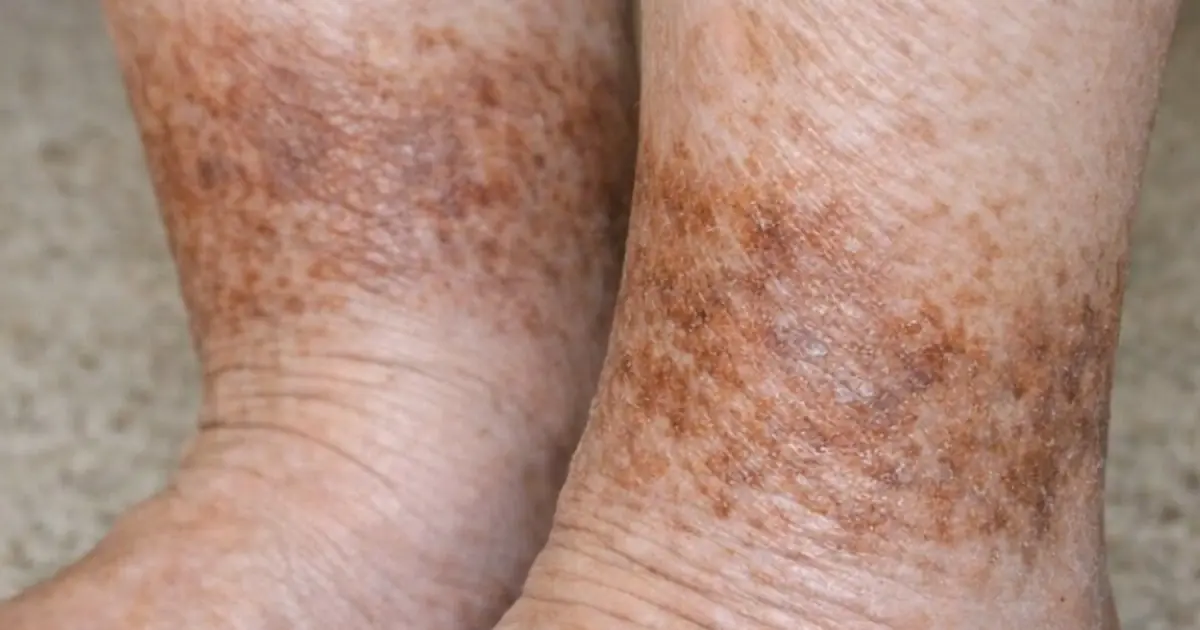
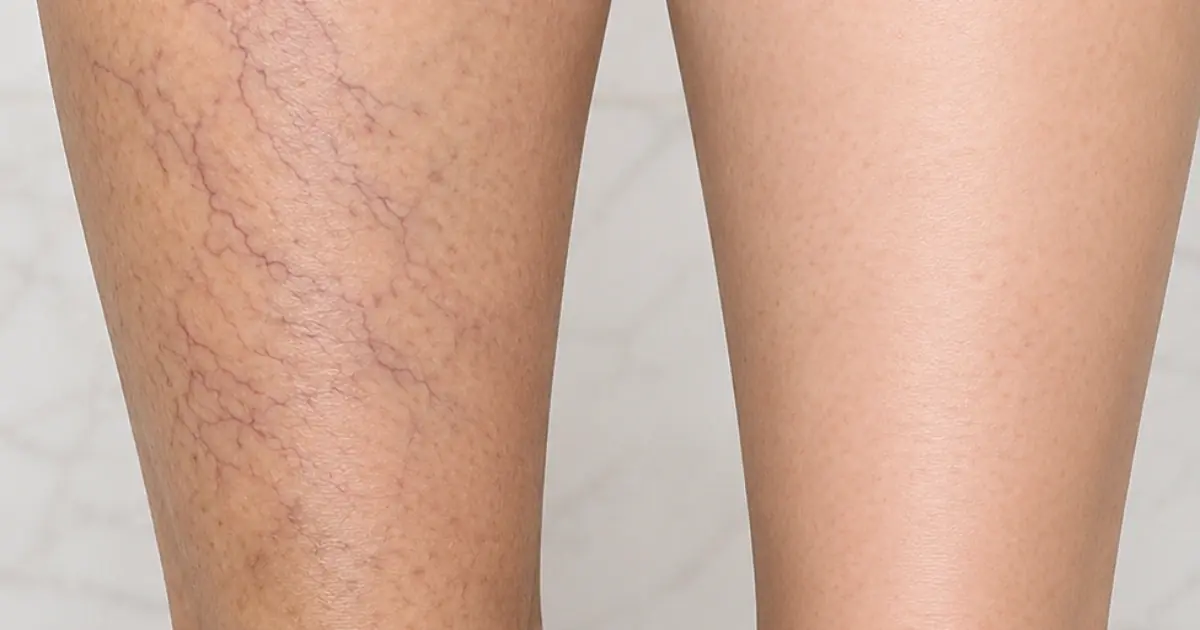
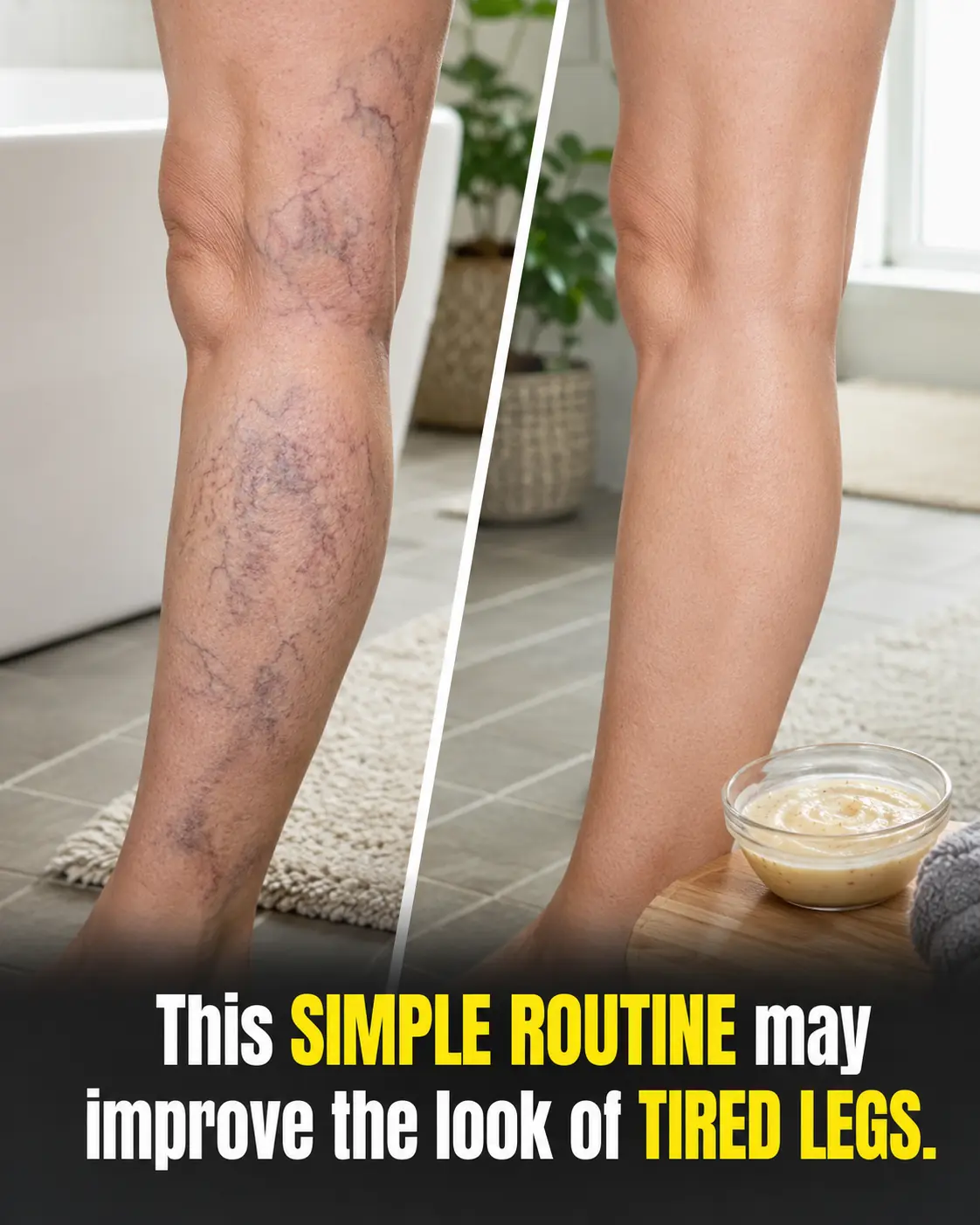
Legs can show every little thing: tiny blue-purple thread veins, blotchy patches after standing all day, lingering marks from dry skin, and that uneven tone that seems to look worse in bright bathroom light. I’ve had periods when I noticed more visible veins around my calves and behind my knees, especially after long days on my feet in the kitchen, and I understand why so many people go looking for a simple “rub-on” answer. The truth is that there is one category of topical product that can make the skin on legs look noticeably better: broad-spectrum sunscreen, used consistently every day on exposed skin.
That may sound less dramatic than a miracle fix, but it is the most realistic, evidence-based topical step for preventing purple spots from getting darker, reducing contrast from uneven pigmentation, and keeping fragile-looking areas from becoming more obvious over time. In this article, I’ll explain what sunscreen can and cannot do for veiny patches, how to choose one for legs, how much to apply, what ingredients help support more even-looking skin, and when visible veins need a doctor rather than another bottle from the drugstore.
1. The “1 solution” worth rubbing on your legs: sunscreen
If your goal is to improve the appearance of uneven tone, prevent purple or brown marks from deepening, and protect skin that makes veins stand out more, the best single topical product is a broad-spectrum sunscreen with SPF 30 or higher. I recommend SPF 50 for legs if they’re regularly exposed, because most people under-apply.
Sunscreen does not erase bulging or spider veins. What it does do is reduce ultraviolet-triggered pigment changes, help prevent redness and discoloration from lingering, and protect collagen in the skin. When the skin gets thinner and more sun-damaged, underlying veins often become more visually prominent. So while sunscreen is not a vein treatment, it is absolutely a leg-appearance treatment.
2. Why veiny patches and purple spots happen in the first place
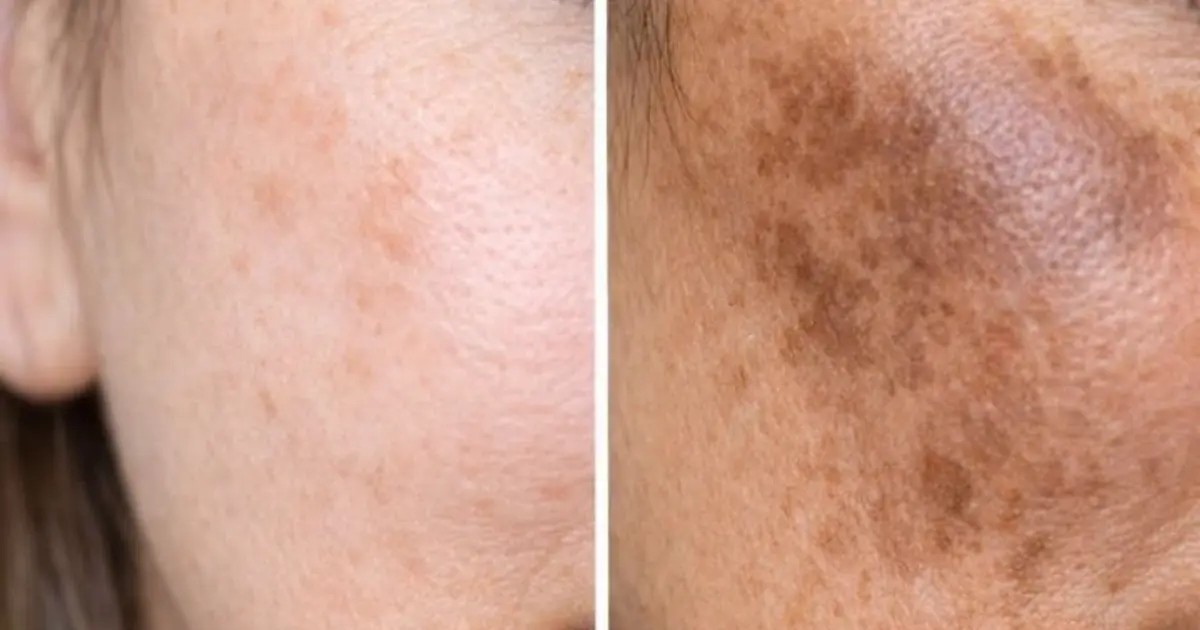
Not every purple spot on the legs means the same thing. Some are spider veins, which are tiny superficial blood vessels that fan out in red, blue, or purple lines. Some are post-inflammatory marks left after bug bites, shaving irritation, folliculitis, or minor bumps. Some are simply areas where fair or thinning skin makes normal veins easier to see.
Age, genetics, pregnancy history, prolonged standing, sun exposure, fluctuating weight, and even hot showers can all play a role. In my early 50s, I notice recovery is slower than it was at 30: a tiny nick or mosquito bite can leave visible color for weeks. That’s one reason daily protection matters more than many people realize.
3. What sunscreen can improve—and what it cannot
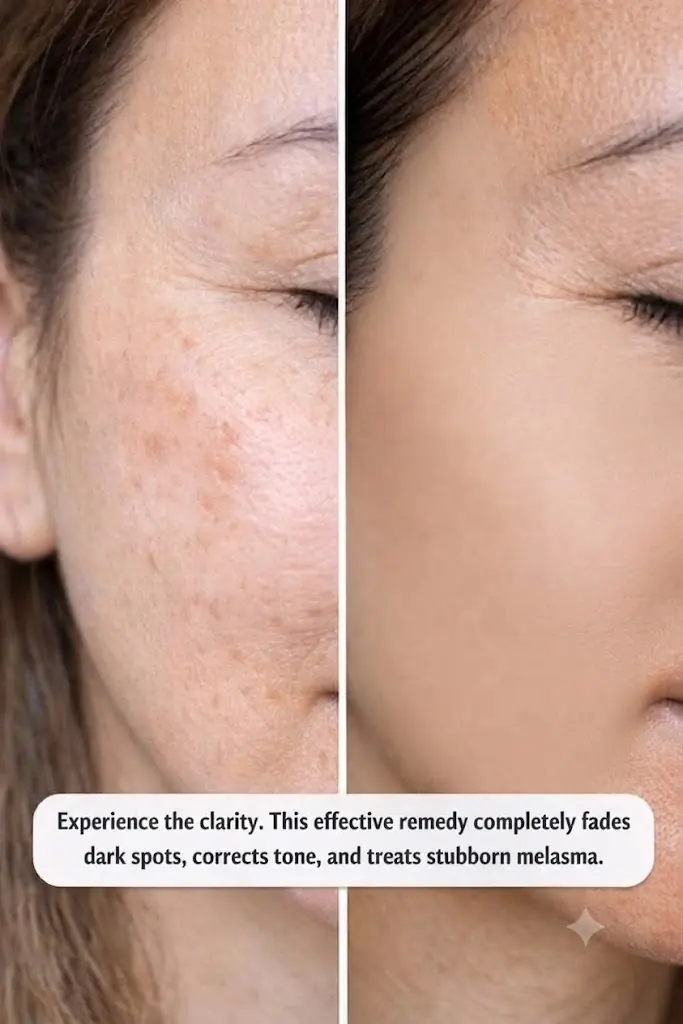
Sunscreen can help keep discoloration from getting worse. It can help old marks fade more evenly by preventing sunlight from re-darkening them. It can also limit the photoaging that makes skin texture rougher and tone more mottled. Over 8 to 12 weeks of regular use, many people notice that their legs look more uniform simply because new sun-triggered darkening has stopped.
What sunscreen cannot do is collapse existing spider veins, repair vein valves, or treat venous insufficiency. If you have ropey, bulging veins; swelling around the ankles; aching after standing; or a hot, tender area, a cream is not the answer. Those symptoms deserve medical evaluation.
4. How sun exposure makes veins and uneven tone look worse
UV radiation breaks down collagen and elastin over time. When skin loses some of that structure, it becomes less resilient and sometimes more translucent, especially on the shins and outer calves. That can make blue or purple vessels underneath appear sharper.
Sun also triggers pigment cells. A spot that began as mild irritation can turn tan, brown, or purplish and linger for months. I see this all the time after summer: people think they suddenly developed more “bad skin” on their legs, when often the contrast increased because the surrounding skin tanned unevenly and old marks darkened.
5. The best sunscreen types for legs
For daily use on legs, I look for broad-spectrum SPF 30 to 50, water resistance of 40 or 80 minutes if I’ll be outside, and a texture I’ll actually use in generous amounts. Lotion is often easiest for full-leg coverage because it spreads more evenly than a tiny facial tube. Sprays are convenient, but they’re easy to under-apply unless you spray until the skin glistens and then rub it in thoroughly.
Mineral sunscreens use zinc oxide and titanium dioxide. Chemical sunscreens may contain avobenzone, octisalate, octocrylene, homosalate, or newer filters depending on your market. For sensitive skin or recently shaved legs, mineral formulas with 10% to 20% zinc oxide are often more comfortable. For deeper skin tones, a well-formulated chemical lotion or a tinted mineral product may leave less visible cast.
6. Exactly how much to apply on your legs
Most adults need far more sunscreen than they think. A useful rule is about 1 ounce, or 30 milliliters, for the whole body in a swimsuit-equivalent amount of exposed skin. For just the legs, a practical estimate is roughly 1 teaspoon per leg if the entire leg is exposed, from ankle to upper thigh. If only the lower legs are showing, use about 1/2 teaspoon per lower leg.
Apply it 15 minutes before going outdoors if it’s a chemical formula. Reapply every 2 hours during continued outdoor exposure, and again after swimming, heavy sweating, or towel drying. This is where consistency matters: one beach-day application won’t change much, but 60 to 90 days of routine use can make tone look significantly more even.
7. Ingredients that pair well with sunscreen for more even-looking legs
If the concern is visible discoloration rather than raised veins, I like pairing sunscreen with a simple body lotion containing niacinamide at 2% to 5%, urea at 5% to 10%, lactic acid around 5% to 12%, or glycerin-rich moisturizers. These ingredients help the skin barrier, smooth rough texture, and support a more uniform appearance.
Niacinamide is especially helpful if your legs look blotchy. Lactic acid can brighten dull, flaky skin, but use it only if your skin tolerates acids well and never on freshly shaved or irritated skin. In my own routine, a fragrance-free lotion at night and sunscreen in the morning gives better cosmetic improvement than chasing aggressive “vein creams” with lofty promises.
8. What to avoid in so-called vein-fading rubs
Be cautious with products that promise to “melt away” veins, “dissolve purple patches overnight,” or “erase varicose veins naturally.” Topical products cannot physically remove established veins through the skin. Some formulas may contain menthol or light-reflecting pigments that temporarily make legs look smoother, but that is cosmetic camouflage, not treatment.
I’m also wary of strongly fragranced products, harsh scrubs, and essential-oil blends used on sun-exposed legs. Irritation can lead to more redness, more itching, and more lingering marks. If your skin barrier is already compromised, chasing a quick fix often backfires.
9. The role of moisturized skin in making veins less noticeable
Dry skin exaggerates everything. Fine ashiness, flaking, and rough texture create visual contrast that draws the eye to every line and spot underneath. A well-moisturized leg reflects light more evenly, which can make visible veins and purple marks seem less stark.
Use a fragrance-free body cream or lotion once or twice daily, ideally within 3 minutes of showering. Look for ceramides, petrolatum, shea butter, dimethicone, or colloidal oatmeal. This is not just a comfort step; it is a practical cosmetic step. Smooth, hydrated skin almost always looks more even.
10. When the issue is actually circulation, not skin tone
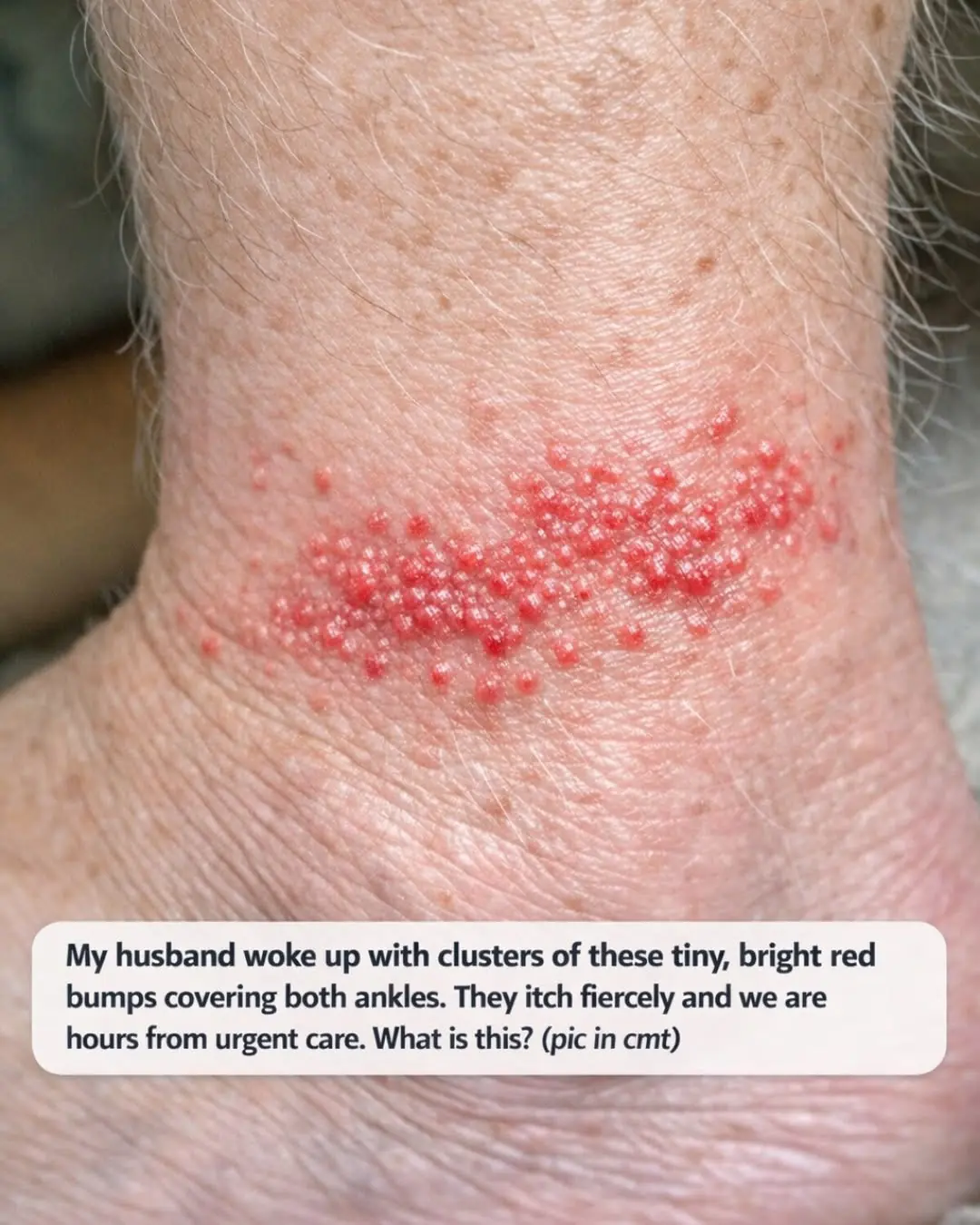
If your legs feel heavy, achy, or swollen by evening, or if visible veins are paired with itching around the ankles, you may be dealing with venous insufficiency rather than a simple cosmetic concern. In that case, sunscreen can still protect the skin, but it won’t address the underlying problem.
Compression socks or stockings, often in the 15 to 20 mmHg or 20 to 30 mmHg range depending on medical advice, may be part of the solution. Elevating the legs for 15 to 20 minutes, moving every 30 to 60 minutes during long periods of sitting or standing, and seeing a clinician for proper assessment can make a real difference.
11. Professional treatments that actually target spider veins
When people want veins themselves treated, the two most common office options are sclerotherapy and certain laser treatments. Sclerotherapy involves injecting a solution into small veins so they collapse and gradually fade. Depending on the number of veins, treatment sessions may last 15 to 45 minutes and sometimes require more than one visit.
Laser treatment may be used for tiny superficial vessels. Costs vary widely by region, but cosmetic spider vein treatment can range from a few hundred dollars to well over $1,000 across multiple sessions. Sunscreen remains important afterward, because treated skin can be more prone to temporary discoloration if exposed to sun.
12. A simple daily routine for better-looking legs
Here is the straightforward routine I suggest. Morning: apply a fragrance-free body lotion if skin is dry, then apply broad-spectrum SPF 30 to 50 to all exposed areas of the legs. Use enough to fully coat the skin, not a thin skim. If you’ll be outside at lunch, pack the sunscreen for reapplication.
Evening: cleanse gently, skip very hot water, and apply a moisturizing lotion or cream. Two or three nights per week, if your skin tolerates it, use a body lotion with niacinamide or a mild lactic acid formula for tone and texture. Give the routine at least 8 weeks before judging it.
13. Signs you should see a doctor promptly
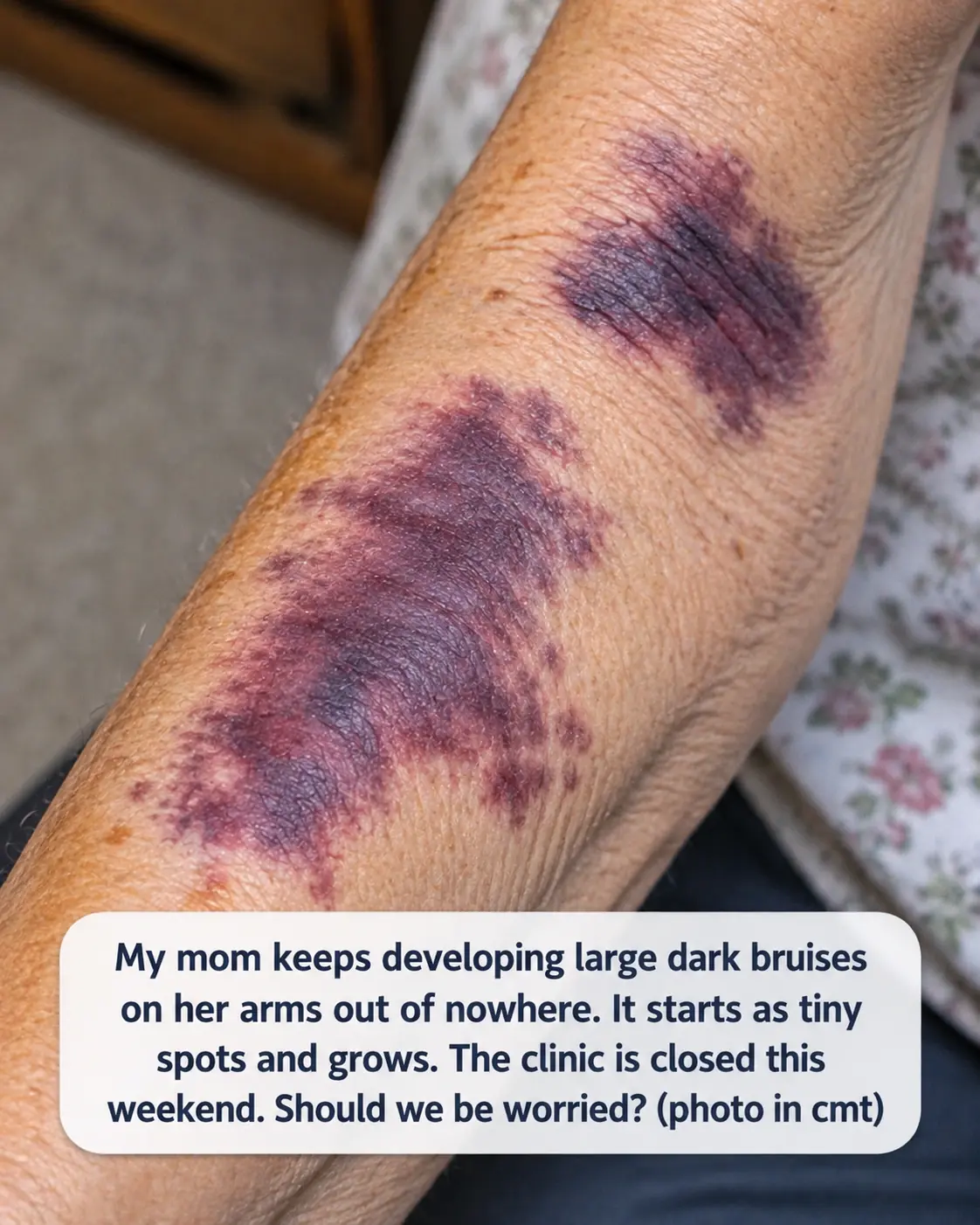
Please do not assume every purple patch is harmless. Seek medical evaluation if you notice one-sided leg swelling, sudden pain, warmth, tenderness, skin breakdown, rapidly spreading discoloration, frequent unexplained bruising, or dark patches near the ankles with swelling. Those can signal more than a cosmetic issue.
If veins are new and prominent after an injury, or if the skin becomes shiny, itchy, or thickened, get it checked. I’m all for practical home care, but legs tell us a lot about circulation, and sometimes the smart move is an appointment rather than another topical experiment.
14. The bottom line on the best rub-on fix
If you want the most useful single solution to rub on your legs for veiny-looking patches, purple spots, and uneven tone, make it sunscreen. It protects the skin you have, reduces the chance that discoloration will deepen, and supports a more even appearance over time. It is not flashy, but it is effective where topical care truly can help.
In my kitchen and in my own routine, I’ve learned that simple habits beat dramatic claims almost every time. Protect your legs daily, moisturize them generously, and know when visible veins are a skin appearance issue versus a circulation issue. That combination is far more valuable than any miracle jar.