Tips 25/03/2026 16:28
Crack the Case: Why Detective Riddles Are the Ultimate Workout for Your Brain
Crack the Case: Why Detective Riddles Are the Ultimate Workout for Your Brain

In an era of endless scrolling and short-form videos, our attention spans are being tested like never before. But there is one type of content that consistently stops us in our tracks: the detective riddle. Whether it’s a missing heirloom or, in our case today, a brazen fruit heist at a local market, these visual puzzles do more than just entertain—they sharpen our minds.
Today, we’re diving deep into the world of lateral thinking, analyzing the "Watermelon Thief" mystery, and exploring why your brain craves these daily challenges.
The Anatomy of a Perfect Mystery: Who Stole the Watermelon?
Take a look at the scene: a vibrant outdoor market, four suspicious characters, and one missing watermelon. At first glance, everyone looks "normal," but a true detective knows that the devil is in the details.
In these types of puzzles, the solution rarely relies on what is obvious; it relies on inconsistencies.
-
The Pregnant Woman: Is her posture natural? Is she carrying the weight like a typical expectant mother, or is the "bump" a bit too perfectly spherical?
-
The Overweight Man: Is that a natural physique, or is he shielding something under his shirt? Look at the way his clothes drape.
-
The Woman with the Large Bag: A classic hiding spot. Is the bag sagging under the weight of a heavy fruit, or does it look empty?
-
The Man with the Basketball: This is often the most clever red herring. A basketball and a watermelon are similar in size, but they differ in weight and texture. If he’s struggling to hold a "ball" that should be light, or if the "ball" has a suspiciously green rind peeking through, you’ve found your thief.
The Solution? Usually, the thief is the one whose "disguise" contradicts the laws of physics or biology. In this specific riddle, look for the person whose "extra weight" doesn't move naturally as they walk.
The Science Behind the "Aha!" Moment

Why do we feel such a rush when we finally spot the clue? It’s all about Dopamine. When you solve a complex problem, your brain releases this neurotransmitter as a reward. This doesn't just make you feel good; it reinforces learning and memory.
Detective riddles require Lateral Thinking—a term coined by Edward de Bono. Unlike linear thinking, which moves step-by-step toward a logical conclusion, lateral thinking requires you to look at the problem from a fresh angle. You aren't just looking at people; you are looking at weight distribution, shadows, and body language.
5 Reasons to Solve Detective Riddles Daily
1. Enhances Attention to Detail
In our daily lives, we overlook 90% of what we see. Detective riddles train your eyes to scan for anomalies. This "active seeing" can improve your performance at work, especially in fields like coding, editing, or design, where one small mistake can change everything.
2. Boosts Problem-Solving Skills
Every riddle is a mini-simulation of a real-world problem. You are given a set of facts (the image) and a goal (find the thief). Learning to filter out "noise" (the red herrings) is a vital skill in decision-making.
3. Prevents Cognitive Decline
Just like muscles, the brain needs exercise to stay strong. Challenging your logic regularly helps build "cognitive reserve," which can help keep your mind sharp as you age.
4. Stress Relief through Focus
It sounds counterintuitive, but focusing intensely on a puzzle can be a form of mindfulness. It pulls you away from the anxieties of the day and into a controlled, solvable environment.
5. Social Bonding
Riddles are inherently social. Sharing a "Who is the thief?" image with friends or family sparks debate and collaboration. It’s a great way to engage with your community online or offline.
How to Level Up Your Detective Skills
If you want to move from "Amateur Sleuth" to "Sherlock Holmes," follow these three rules:
-
Ignore the Faces: Riddles often give characters "guilty" or "innocent" expressions to trick you. Focus on their hands, their feet, and the objects they are carrying instead.
-
Check the Physics: Does the shadow match the object? Is someone carrying a "heavy" item with only one finger? Gravity never lies.
-
Look for Patterns: In visual riddles, there is often a pattern that is broken. If three people are sweating in the heat and one person looks perfectly cool while "carrying" a heavy load, something is wrong.
The Role of Visual Riddles in Modern Marketing
You might notice that these riddles are everywhere on social media. There’s a reason for that. They are "Sticky Content." Because they require the viewer to stop and think, they have much higher engagement rates than a standard photo.
For creators, designing a unique riddle—like the one we’ve discussed—is a fantastic way to build a brand. By removing generic logos and creating custom characters and backgrounds (like a seaside market), you create a high-quality, "viral-ready" asset that stands out from the sea of recycled content.
Final Thought: Are You Ready for the Next Case?
The "Watermelon Thief" is just the beginning. The world is full of small mysteries waiting to be solved. By spending just five minutes a day on detective riddles, you aren't just playing a game—bạn đang mài giũa "vũ khí" sắc bén nhất của mình: trí tuệ.
So, next time you see a suspicious character in a puzzle, don't just look—observe.
News in the same category
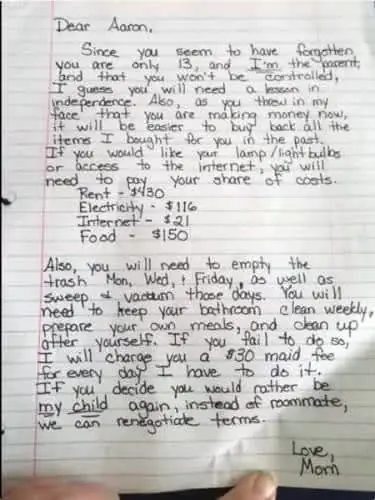
Mom Leaves Note on “Disrespectful” Son’s Door — And It Quickly Goes Viral

4 Key Characteristics of Fake People: How to Spot a "Social Chameleon"

Feeling the urge to have a bowel movement immediately after eating: Could it just be Irritable Bowel Syndrome (IBS)?
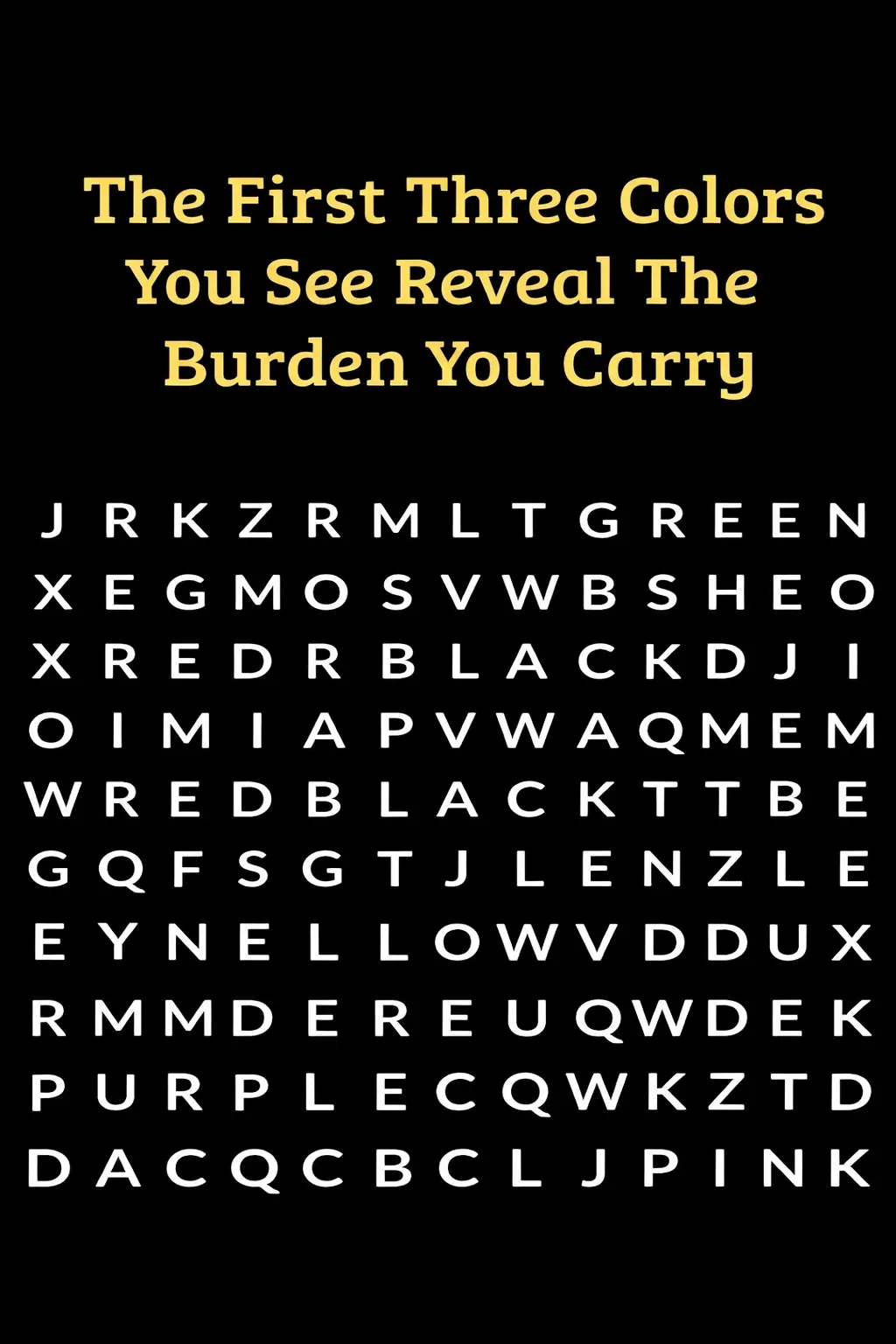
The Psychology of Color: What the First Three Colors You See Reveal About Your Inner Burdens

What Your Eye Color Says About Your Personality: The Science and Mystery
This Might Surprise You About Left-Handed People: What Makes Them Different?

Can You Spot the Error? Only 5% of People Can Find the Mistake in This Snowy Scene Under 10 Seconds!

From Fragile to Fatherhood: The Wobbly Rescue Cat Who Shocked the World by Adopting Orphaned Kittens
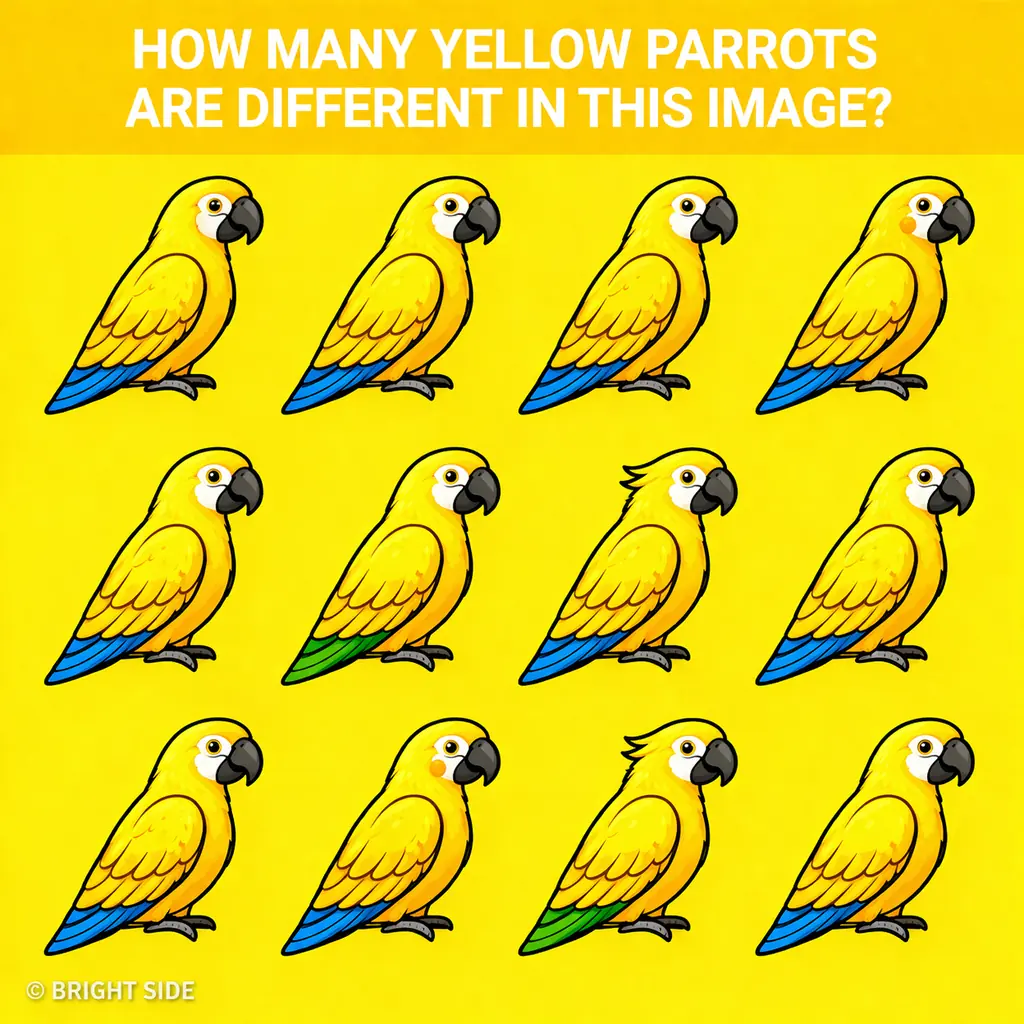
🦜 CAN YOU SPOT THE OUTLIERS? THE ULTIMATE VISUAL TEST! 🦜

A Natural Guide to Safely Evict Mice from Your Home

How to Keep Snakes Out of Your Home

Don’t Forget Your Washing Machine’s Lint Filter

Pick The Odd One Out To See How ‘Difficult’ You Really Are...

The Number Of Faces You See Reveals Your Truest Trait...

The first animal you see in this picture will reveal who you really are...

Pick The Odd One Out To See How 'Lucky' You Really Are...
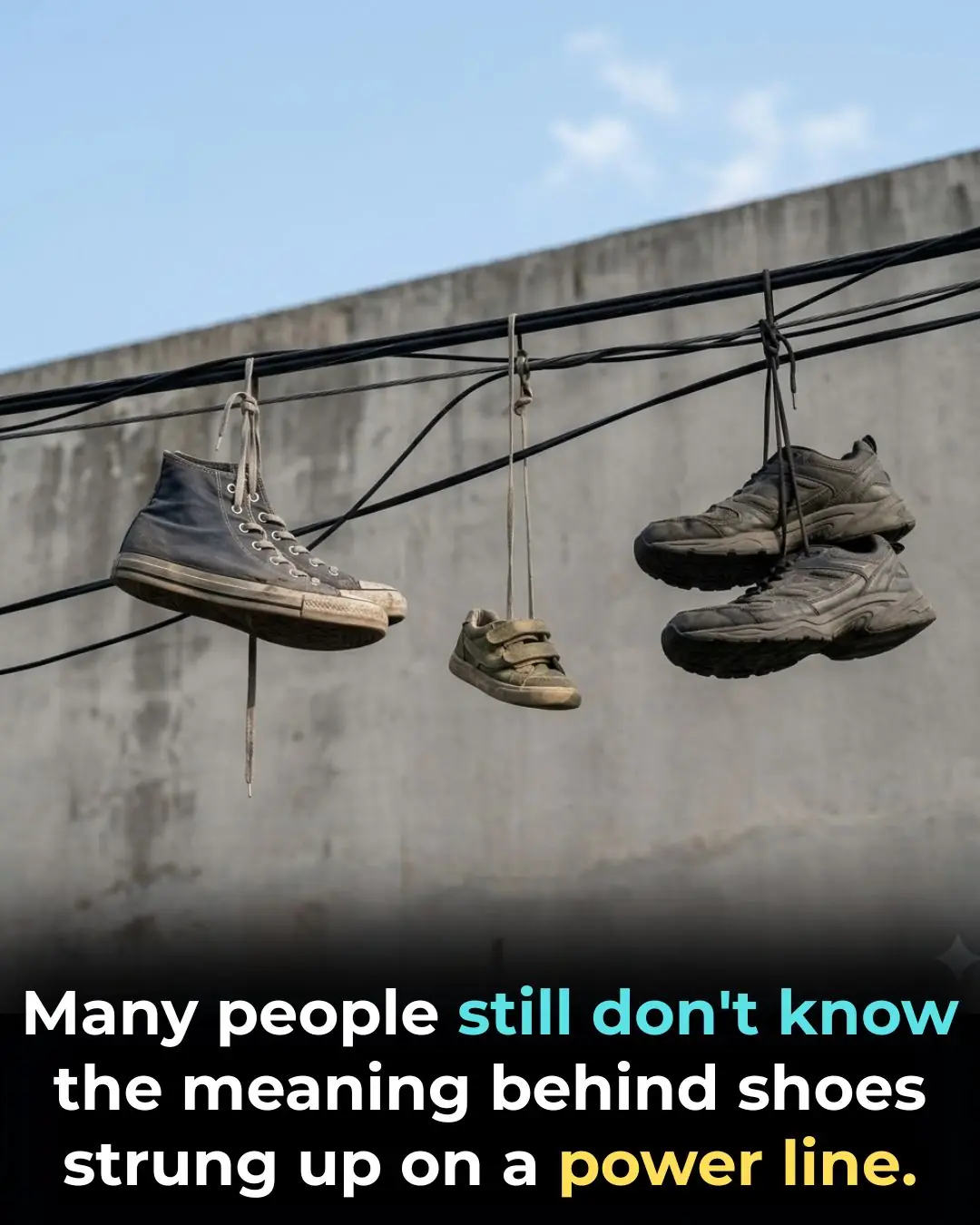
What Does It Really Mean?
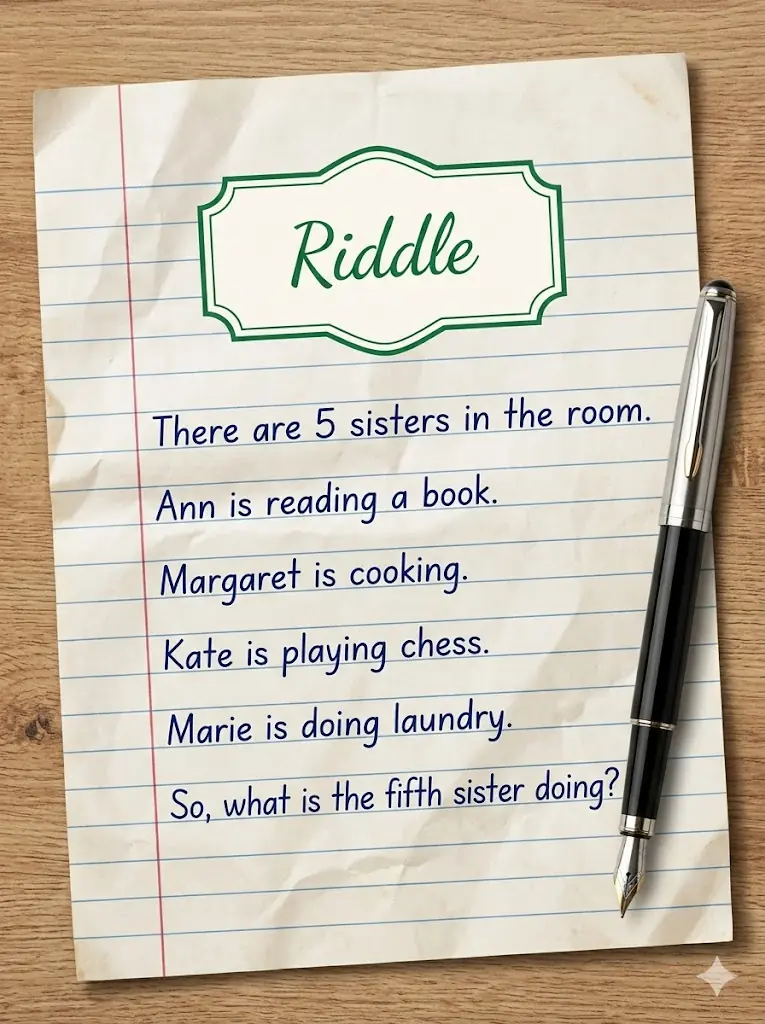
A Tricky Brain Teaser to Sharpen Your Mind
News Post

Most people underestimate this resin—until they discover both its extraordinary power and its astonishing price.
Garden Healthy 25/03/2026 23:56

Biker Discovers Kidnapped Grandma Hidden in a Shipping Container, What 5,000 Motorcyclists Did Next Left the World in Tears.
Life stories 25/03/2026 22:42

A Lone Biker Was Freezing to Death Until a 76-Year-Old Grandma Grabbed His Vest and Started Dragging.
Life stories 25/03/2026 21:21

Elderly Lady Stumbles Upon 2 Injured Hell’s Angels, Her Reaction Stuns the Whole Town
Life stories 25/03/2026 21:07

Biker Hired Old Widow & Child To Cook — But She Melted The Hells Angels Boss’s Hard Heart
Life stories 25/03/2026 20:37

The Boy Who Trusted a Gangster
Life stories 25/03/2026 19:26

The first animal you see will reveal your worst flaw...
News 25/03/2026 19:11
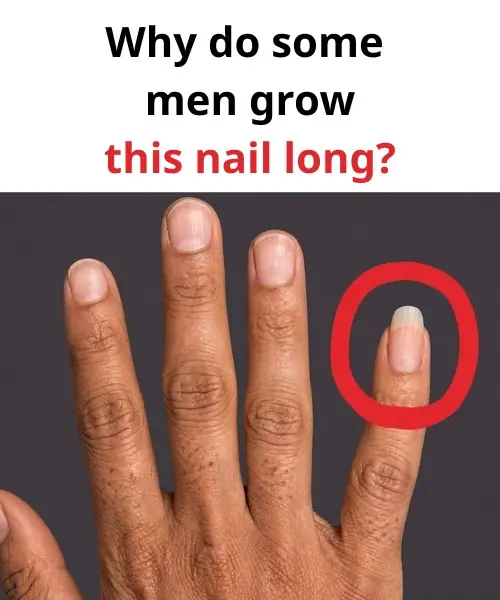
Why do some men grow this nail long?
Health 25/03/2026 19:02

The Millionaire’s Daughter Cried Every Day… Until the Obese Maid Discovered Something Terrible on Her Back
Life stories 25/03/2026 19:01
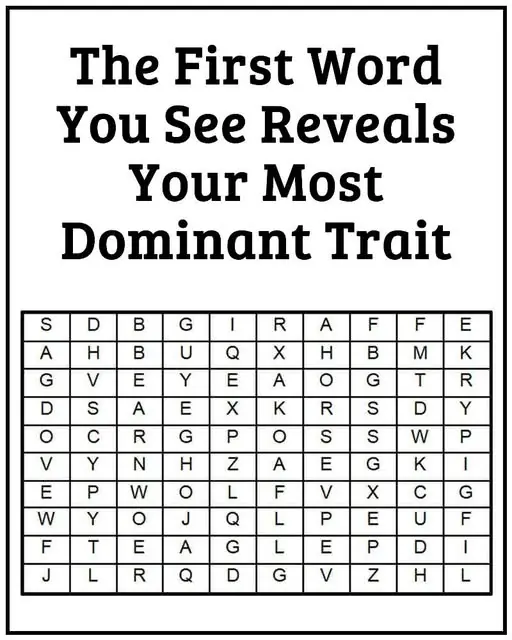
The First Word You See Reveals Your Most Dominant Trait
News 25/03/2026 18:58

The First Three Colors You See Reveal How You INTIMIDATE People!
News 25/03/2026 18:51

Waking Up Between 3 and 5 AM: What It Really Means for Your Body and Mind
Health 25/03/2026 17:23
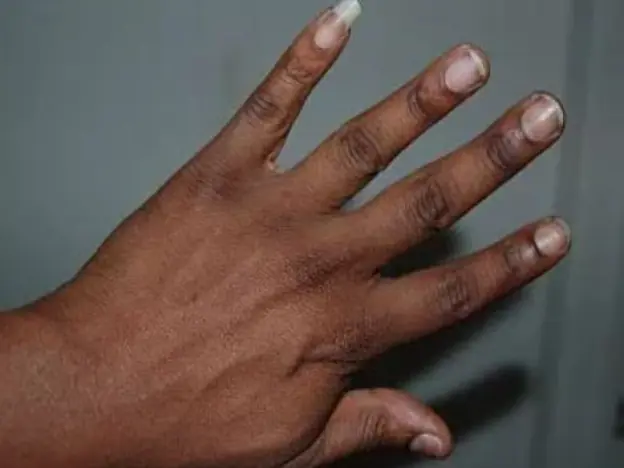
Why do some men grow this nail long?
Facts 25/03/2026 17:20
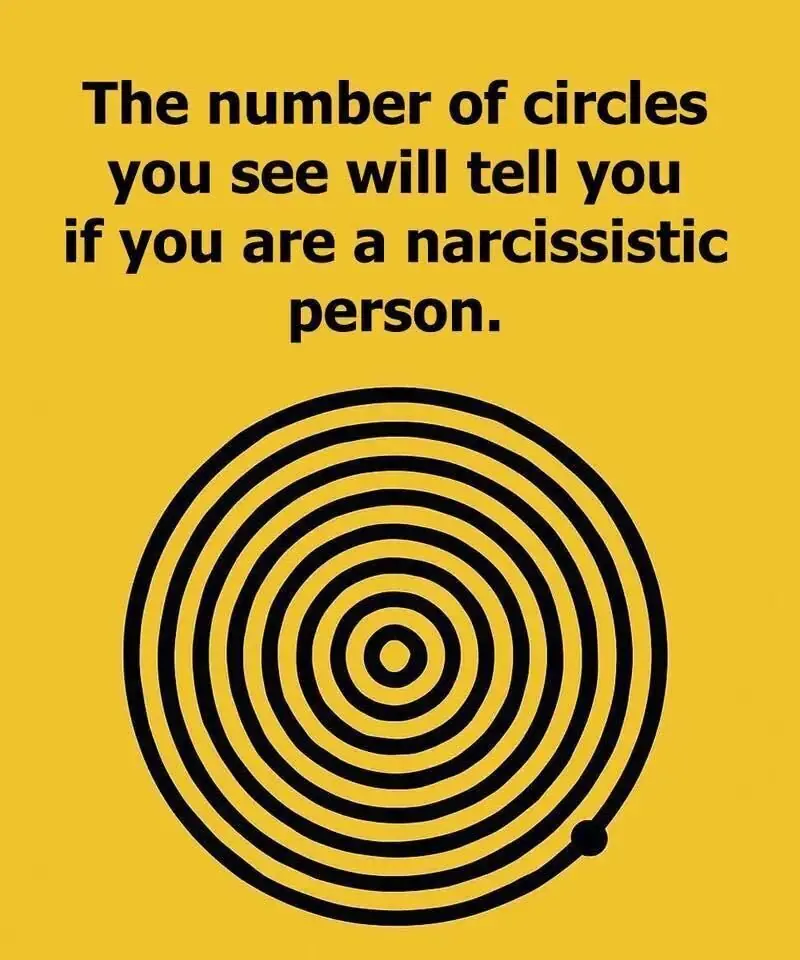
The number of circles you see will tell you if you are a narcissistic person.
Facts 25/03/2026 17:07

Philippines Declares National Energy Emergency as President Marcos Promises Steady Oil Supply
News 25/03/2026 17:02

Gold jumps 2% as oil slump eases inflation fears amid Trump Iran talks
News 25/03/2026 16:52

Oil falls over 5% as Iran signals safe passage for ‘non-hostile’ ships through Strait of Hormuz
News 25/03/2026 16:30

Why Cottage Cheese Deserves a Spot in Your Daily Diet
Health 25/03/2026 16:10

Is Coconut Water Really Healthy? Doctors Reveal Potential Side Effects
Garden Healthy 25/03/2026 15:55