The first animal you see will reveal your worst flaw...
News 25/03/2026 19:11
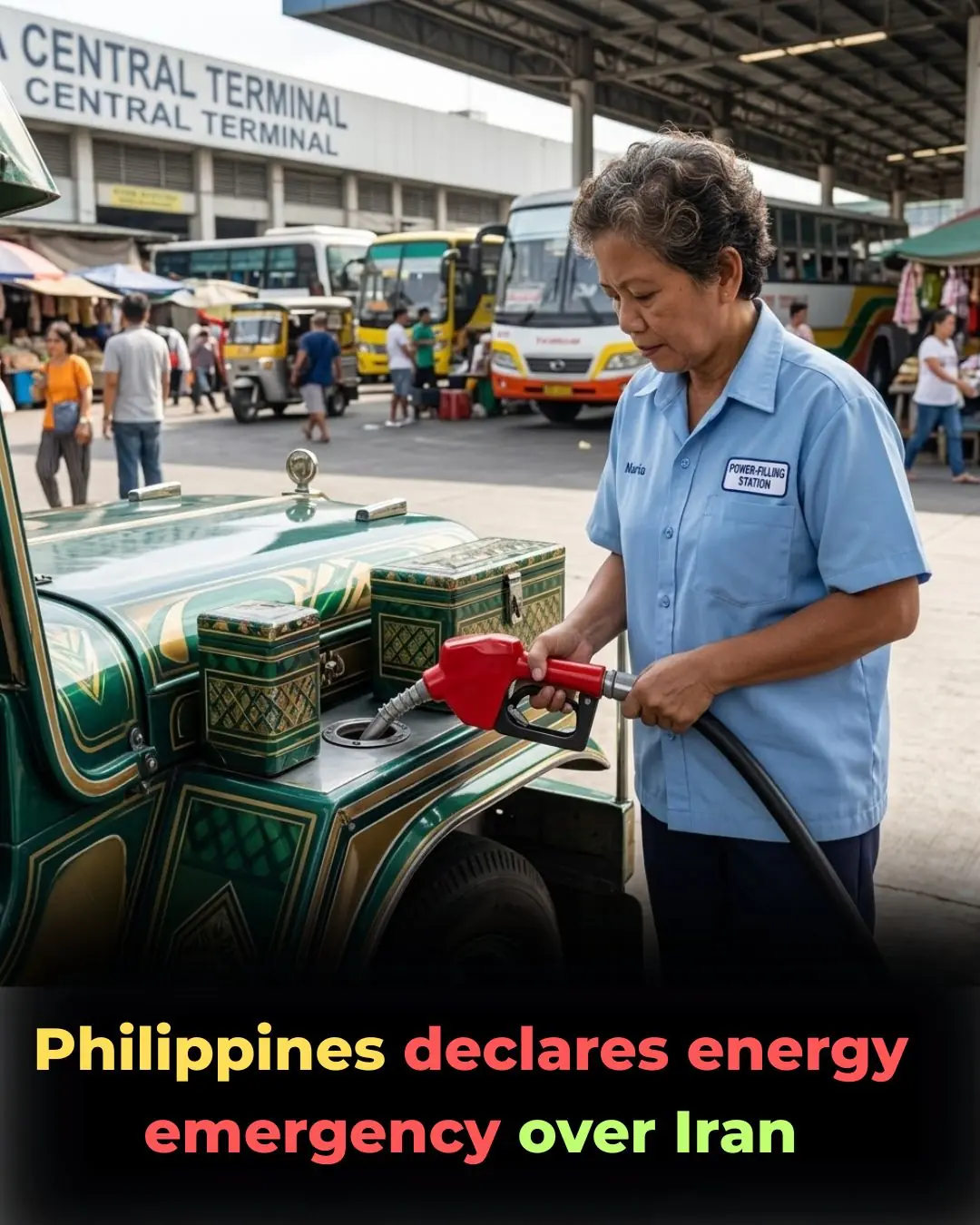
The Philippines has entered a new phase of economic and political uncertainty after President Ferdinand Marcos Jr. declared a national energy emergency, promising Filipinos that the government will secure a stable “flow of oil” despite rising global tensions and disruptions in the Middle East.
The announcement comes amid a sharp spike in fuel prices and growing concern over the country’s heavy dependence on imported energy. As geopolitical conflict continues to disrupt key oil shipping routes, the Philippine government is scrambling to stabilize supplies and protect the national economy.
President Marcos made the declaration in a televised address to the nation, assuring citizens that the government is taking urgent steps to ensure energy security. According to Marcos, the administration is working to secure new sources of oil and strengthen the country’s reserves.
The government plans to purchase one million barrels of oil to add to existing supplies. Officials say the current reserves are enough to last about 45 days, but additional imports are needed to prevent shortages and price surges.
“We will have a flow of oil,” Marcos said in his address. “Not just one delivery, not two deliveries, but a continuous flow of oil-related products that will support our economy and daily life.”
The Philippines became the first country to officially declare an energy emergency following the outbreak of war involving Iran and escalating tensions involving the United States and Israel. These developments have disrupted global oil markets and triggered supply concerns worldwide.
One of the key reasons behind the crisis is the effective closure of the Strait of Hormuz, one of the most important shipping routes for oil and gas in the world. A significant portion of global energy supplies passes through this narrow waterway, making it critical for countries that rely heavily on imported fuel.
Asia, in particular, is highly vulnerable to disruptions in the region. In fact, nearly 90% of the oil and gas transported through the Strait of Hormuz last year was destined for Asian markets. Any blockage or instability in the area can quickly lead to shortages and rising prices across the region.
For the Philippines, the situation is even more serious because the country imports about 98% of its oil from the Gulf region. This reliance means that any geopolitical conflict affecting supply routes can have immediate and significant consequences for fuel prices, transportation costs, and overall economic stability.
Since the war began on 28 February, fuel prices in the Philippines have surged dramatically. Petrol and diesel prices have more than doubled compared to pre-war levels, creating pressure on households, businesses, and transportation sectors.

The national energy emergency gives the Philippine government broader legal authority to implement measures designed to stabilize supply and protect essential services.
President Marcos emphasized that the administration is exploring every possible option to address the crisis.
“Nothing is off the table,” he said. “We are considering all suggestions and ideas that could help us ensure energy security and economic stability.”
Under the emergency order, the government can:
A special committee has also been formed to oversee the distribution of essential supplies, ensuring that communities across the country receive necessary resources during the crisis.
The declaration is set to remain in effect for one year, although it could be extended or lifted earlier depending on how the situation develops.
In addition to boosting reserves, the Philippine government is also seeking ways to diversify its oil imports. Philippine Ambassador to the United States Jose Manuel Romualdez said the country is working closely with Washington to explore possible exemptions that would allow Manila to purchase oil from countries currently under U.S. sanctions.
This move reflects the Philippines’ strategic relationship with the United States, one of its closest allies in the Pacific region.
If approved, such exemptions could help the Philippines access alternative suppliers and reduce pressure on its fuel supply chain during the ongoing crisis.
While the government says the emergency declaration is necessary, the move has sparked debate across the country. Some lawmakers and labor groups believe the crisis should have been addressed earlier.
Several senators had previously urged President Marcos to acknowledge the seriousness of the situation, describing the impact of rising fuel prices as “emergency-level hardship” for many Filipino families.
For ordinary citizens, the sudden rise in fuel costs has affected daily life. Transportation fares, food prices, and business expenses are increasing, making it harder for many households to manage their budgets.

One of the country’s major labor coalitions, Kilusang Mayo Uno (KMU), has strongly criticized the government’s decision. According to the group, the declaration is effectively an admission that authorities failed to prevent the oil crisis from worsening.
The organization also accused the administration of previously downplaying the problem, pointing out that earlier statements suggested the situation was under control.
KMU is particularly concerned about certain provisions in the emergency order that could limit activities considered disruptive to economic operations, including strikes. Labor leaders warn that these measures may restrict workers’ rights to protest during a time when rising fuel costs are already affecting incomes and livelihoods.
Despite criticism from labor groups, some business leaders have expressed support for the government’s actions.
Manuel V. Pangilinan, a prominent Filipino businessman who chairs several major utilities companies, said the crisis is already affecting corporate operations due to rising energy costs.
He noted that the government should have the flexibility to take strong measures during such a challenging period.
According to Pangilinan, ensuring a stable energy supply is critical not only for businesses but also for maintaining economic growth and protecting jobs.
The energy crisis has also triggered protests from transport workers and ride-hailing drivers, who say the rising cost of fuel is making it increasingly difficult to operate.
Several groups have announced plans for a two-day strike, reflecting widespread frustration over the government’s response to the crisis.
One coalition leading the protest, Piston, has put forward several demands, including:
The strike highlights growing tension between workers, policymakers, and businesses as the country struggles to cope with the rapidly changing global energy landscape.
In response to the crisis, the government has already introduced several policies aimed at conserving energy and reducing fuel consumption.
These include:
Energy Secretary Sharon Garin confirmed earlier that the country currently has about 45 days of fuel supply remaining, emphasizing the urgency of securing additional resources.
To address immediate energy needs, Garin also said the Philippines may temporarily rely more heavily on coal-fired power plants. This shift is partly due to the rising cost of liquefied natural gas (LNG), which has become more expensive amid global supply disruptions.
The declaration of a national energy emergency marks a critical moment for the Philippines. As global conflicts continue to disrupt energy markets, countries that rely heavily on imported fuel are facing increasing uncertainty.
For the Philippines, the challenge is not only to secure short-term supplies but also to build a more resilient energy system for the future.
Experts say the crisis could push the country to accelerate efforts to diversify energy sources, invest in renewable energy, and reduce dependence on imported oil.
In the coming months, the government’s response will likely play a crucial role in determining how the Philippine economy weathers the current global energy shock.
While President Marcos has promised a steady flow of oil, many citizens and businesses are watching closely to see whether the measures will be enough to stabilize prices and ensure long-term energy security.