Proven Health Benefits of Beets and Fermented Beets (Science Based)
Health 20/07/2026 15:26
8 Early Warning Signs of Can.cer That Older Adults Should Know
As we age, our bodies naturally go through many changes. While most of these changes are a normal part of getting older, some persistent or unexplained symptoms should never be ignored. One important reason is that the risk of developing many types of cancer increases with age. According to health experts, the majority of cancer diagnoses occur in adults over the age of 50.
It's important to remember that these symptoms do not necessarily mean someone has cancer. In fact, they are often caused by much more common and less serious conditions. However, if they persist, worsen, or have no clear explanation, they deserve prompt medical evaluation.
Early detection remains one of the most powerful tools in improving treatment options and outcomes for many cancers.
Over time, our cells naturally accumulate genetic changes as they divide and repair themselves. The immune system may also become less effective at detecting abnormal cells with age.
In addition, long-term exposure to risk factors such as:
Smoking
Excessive alcohol use
Sun exposure
Air pollution
Poor diet
Physical inactivity
may contribute to the development of certain cancers later in life.
While aging itself cannot be prevented, recognizing warning signs early can make a significant difference.
Losing weight without trying may be one of the earliest warning signs of several medical conditions.
Many healthcare professionals recommend evaluation if someone loses approximately 5% or more of their body weight within six to twelve months without changes in diet or physical activity.
Possible causes include:
Digestive disorders
Thyroid disease
Diabetes
Depression
Chronic infections
Various cancers
Although cancer is only one possible explanation, unexplained weight loss should always be discussed with a healthcare provider.
Everyone feels tired occasionally.
However, fatigue that:
Lasts for weeks
Does not improve with rest
Interferes with daily activities
may indicate an underlying medical condition.
Possible causes include:
Anemia
Heart disease
Sleep disorders
Depression
Chronic infections
Certain cancers
Persistent fatigue deserves medical evaluation, especially when accompanied by other symptoms.
Noticeable changes that continue for several weeks should not be ignored.
Examples include:
Ongoing constipation
Persistent diarrhea
Blood in the stool
Narrow stools
Frequent urination
Blood in the urine
Difficulty urinating
These symptoms may result from many non-cancerous conditions, but they may also warrant screening for colorectal, bladder, or prostate disease depending on the individual.
A cough lasting longer than three weeks deserves medical attention.
Possible causes include:
Viral infections
Asthma
Acid reflux
Chronic obstructive pulmonary disease (COPD)
Lung disease
Lung cancer
Similarly, hoarseness that does not improve after several weeks should be evaluated, particularly in smokers.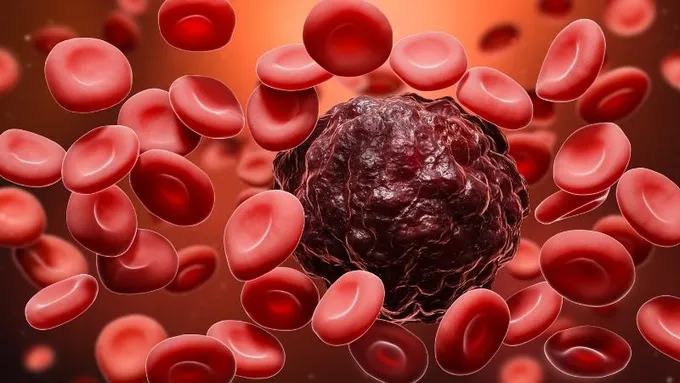
Unexpected bleeding should always be investigated.
Examples include:
Blood in the stool
Blood in the urine
Vaginal bleeding after menopause
Persistent coughing up blood
Unexplained nipple discharge
While many causes are not cancer, abnormal bleeding is never something to ignore.
Many lumps are harmless.
Examples include:
Cysts
Lipomas
Enlarged lymph nodes
However, any new lump that:
Persists
Continues to grow
Feels hard
Is fixed in place
should be examined by a healthcare professional.
Pay attention to skin changes such as:
New moles
Existing moles changing in size or color
Sores that do not heal
Persistent crusting
Bleeding skin lesions
Regular skin checks are especially important for older adults with a history of significant sun exposure.
Occasional heartburn is common.
However, ongoing symptoms such as:
Difficulty swallowing
Persistent indigestion
Food getting stuck
Pain when swallowing
may indicate conditions affecting the esophagus or stomach that require evaluation.
Many early symptoms are subtle and may resemble common conditions.
For example:
Fatigue may be blamed on aging.
Weight loss may seem like a welcome change.
Persistent cough may be mistaken for allergies.
Digestive symptoms may be attributed to diet.
Because these symptoms are common, people sometimes delay seeking medical care.
Persistent changes deserve attention, regardless of age.
Screening can detect some cancers before symptoms appear.
Depending on age, sex, family history, and personal risk factors, recommended screening may include:
Colon cancer screening
Breast cancer screening (mammography)
Cervical cancer screening
Lung cancer screening for eligible current or former smokers
Prostate cancer discussions based on individual risk
Speak with your healthcare provider about the screenings that are appropriate for you.
Although not all cancers can be prevented, healthy lifestyle choices may reduce the risk of many types.
Smoking remains one of the leading preventable causes of cancer worldwide.
Regular exercise supports overall health and has been associated with a lower risk of several cancers.
Focus on:
Fruits
Vegetables
Whole grains
Lean proteins
Healthy fats
Limiting processed meats and highly processed foods may also be beneficial.
Excess body weight has been linked to an increased risk of several cancers.
Reducing alcohol intake may lower the risk of certain cancers.
Use sunscreen, wear protective clothing, and avoid excessive ultraviolet exposure.
False. Most lumps are caused by benign conditions, but persistent or changing lumps should be evaluated.
Many cancers produce few or no symptoms in their earliest stages. That's why routine screening is so valuable.
Although cancer becomes more common with age, adults of many ages can develop cancer.
Schedule a medical appointment if you experience:
Symptoms lasting more than two to three weeks
Unexplained weight loss
Persistent fatigue
New lumps
Abnormal bleeding
Ongoing digestive changes
Persistent cough or hoarseness
Skin changes that continue to evolve
Seeking medical advice early does not mean you have cancer—it simply allows healthcare professionals to identify the cause and provide appropriate care.
Growing older naturally increases the risk of many health conditions, including cancer, but age alone should never lead people to dismiss persistent or unusual symptoms. Unexplained weight loss, ongoing fatigue, changes in bowel or bladder habits, persistent cough, unusual bleeding, new lumps, evolving skin changes, and difficulty swallowing are all symptoms that deserve medical attention if they persist.
It's important to remember that these warning signs are not specific to cancer and are far more often caused by other medical conditions. However, early evaluation can help identify the...