The Best Way To Use Vaseline and Lemon on Skin for Dark Spots, Wrinkles & Glowing Skin
Health 15/03/2026 21:43
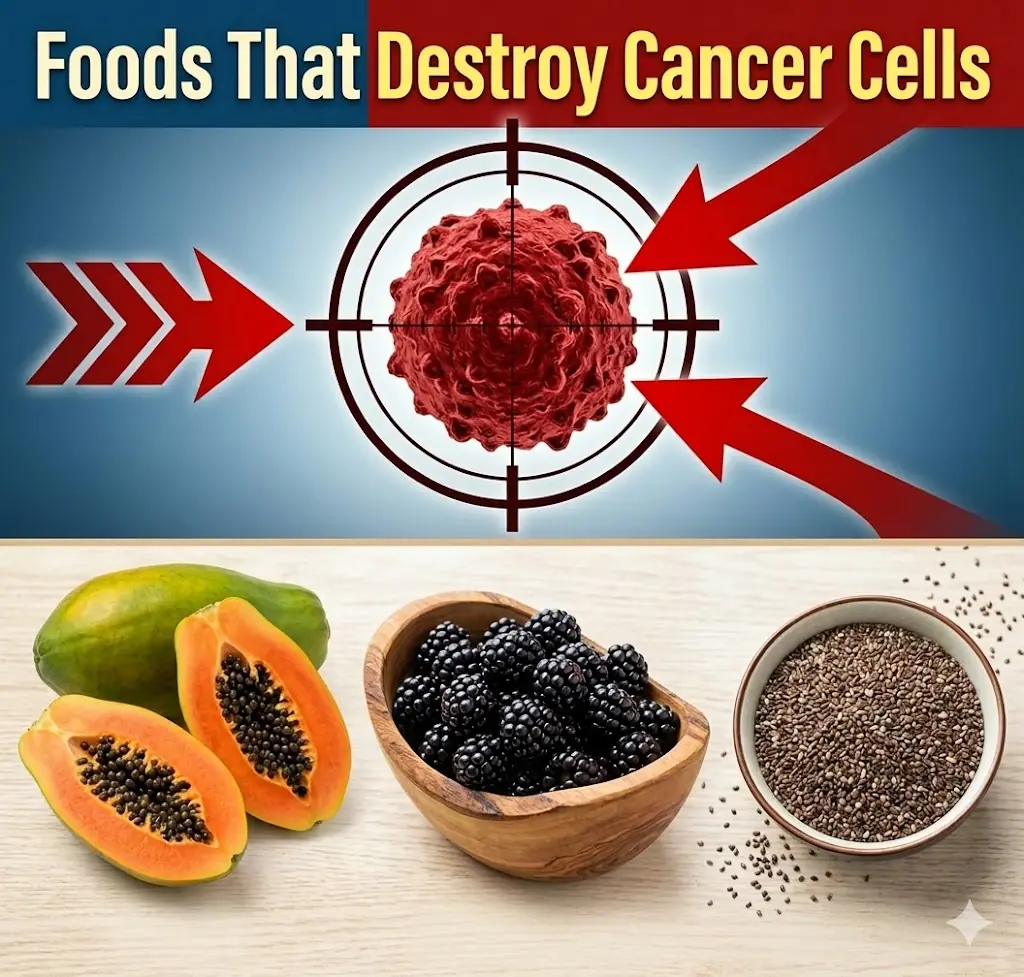
A gentle, science-informed guide to nourishing the body as we age
As we grow older, many people begin to notice subtle changes in their bodies. Energy levels may fluctuate, digestion can slow down, and mild inflammation may become more common. These changes are natural parts of aging, but they often raise an important question: how can we support our bodies and maintain vitality over time?
The encouraging news is that modern nutrition science highlights the powerful role of everyday foods in supporting cellular health and helping the body stay balanced.
Certain fruits, vegetables, seeds, and nuts contain antioxidants, vitamins, minerals, and plant compounds that may help protect cells from oxidative stress and support the body’s natural functions.
In this article, you'll discover 10 nutrient-rich foods that research suggests may support cellular health and overall wellness, along with simple ways to include them in your daily routine.
⚠️ This article is for educational purposes only and does not replace professional medical advice.
Papaya is not only delicious but also packed with beneficial nutrients.
Key nutrients:
Papain (a digestive enzyme)
Vitamin C
Carotenoids and antioxidants
Potential benefits
Supports healthy digestion
Contributes to immune system balance
Helps protect cells from oxidative stress
💡 Simple tip: Add fresh papaya to your breakfast bowl, yogurt, or green smoothie.
Blackberries are rich in flavonoids and polyphenols, plant compounds studied for their antioxidant properties.
Possible benefits
Supports circulation
Helps protect cells from oxidative damage
Provides vitamin C and fiber
Easy idea: Enjoy a handful of fresh blackberries with natural yogurt or oatmeal.
Despite their small size, chia seeds are extremely nutrient-dense.
Nutritional highlights
Plant-based omega-3 fatty acids
Soluble fiber
Minerals such as magnesium and calcium
Potential benefits
Supports heart health
Helps maintain digestive balance
Promotes satiety
How to use: Add 1–2 tablespoons to oatmeal, smoothies, or salads.
Broccoli, cauliflower, and Brussels sprouts belong to the cruciferous vegetable family, known for their unique plant compounds.
One of these compounds, sulforaphane, has been widely studied for its antioxidant properties.
Possible benefits
Supports the body’s natural detoxification pathways
Helps protect cells from oxidative stress
Tip: Lightly steam or sauté to preserve nutrients.
Spinach is a nutritional powerhouse rich in vitamins and minerals.
Key nutrients
Vitamin A, C, and K
Magnesium and iron
Antioxidant compounds
Benefits
Supports cellular protection
Helps maintain healthy tissues
Contributes to balanced nutrition
Idea: Add spinach to soups, omelets, salads, or green smoothies.
Tomatoes contain lycopene, a powerful antioxidant responsible for their vibrant red color.
Potential benefits
Supports cellular integrity
May contribute to heart health
Provides vitamin C and potassium
💡 Interesting fact: Cooked tomatoes may increase lycopene absorption.
Avocados are rich in monounsaturated fats, which are considered beneficial for overall health.
Nutrients
Healthy fats
Potassium
Antioxidants like lutein
Possible benefits
Supports heart health
Helps maintain cell membrane integrity
Provides sustained energy
How to enjoy: In salads, on whole-grain toast, or blended into smoothies.
Nuts are excellent sources of nutrients that support cellular health.
Important nutrients
Vitamin E
Healthy fats
Plant-based protein
Benefits
Antioxidant protection
Sustained energy
Supports metabolic balance
Suggestion: A small handful daily can replace processed snacks.
Citrus fruits such as oranges, lemons, grapefruits, and mandarins are well known for their vitamin C content.
Benefits
Supports immune health
Helps protect cells from oxidative stress
Enhances iron absorption
Tip: Add citrus slices to salads or enjoy a fresh juice in the morning.
Strawberries contain polyphenols and vitamin C, both known for their antioxidant properties.
Possible benefits
Helps neutralize free radicals
Supports skin and tissue health
Provides hydration and fiber
Enjoy them: Fresh, in smoothies, yogurt bowls, or fruit salads.
| Food | Key Nutrients | Potential Benefits |
|---|---|---|
| Papaya | Papain, Vitamin C | Digestion support, antioxidants |
| Blackberries | Polyphenols | Cellular protection |
| Chia Seeds | Omega-3, Fiber | Heart & digestion |
| Broccoli | Sulforaphane | Detoxification support |
| Spinach | Vitamins A, C, K | Antioxidant protection |
| Tomatoes | Lycopene | Cellular integrity |
| Avocado | Healthy fats | Heart & cell health |
| Almonds | Vitamin E | Energy & antioxidants |
| Citrus Fruits | Vitamin C | Immunity support |
| Strawberries | Polyphenols | Skin & cellular protection |
Healthy eating does not need to be complicated. Small daily habits can make a meaningful difference.
Antioxidant-rich breakfast
Smoothie with papaya, blackberries, spinach, and chia seeds.
Balanced snack
Almonds with fresh strawberries.
Nutritious lunch
Salad with avocado, tomatoes, and lightly steamed broccoli.
Colorful plate strategy
The more colors on your plate, the wider range of antioxidants and nutrients you are likely to get.
💡 Extra tip: Preparing small portions ahead of time can make healthy habits easier to maintain.
No. These foods support general cellular health and overall wellness, but they do not replace medical treatments or therapies.
For most people, moderate daily consumption as part of a balanced diet is generally safe.
If you have allergies, medical conditions, or dietary restrictions, consult a healthcare professional before making major dietary changes.
This article is intended for educational and informational purposes only. It does not replace professional medical advice, diagnosis, or treatment. Always consult a qualified healthcare professional before making significant changes to your diet or health routine.