Goodbye, Sugar: How Replacing Sugary Drinks Can Improve Your Health and Appearance
Garden Healthy 09/01/2026 19:45
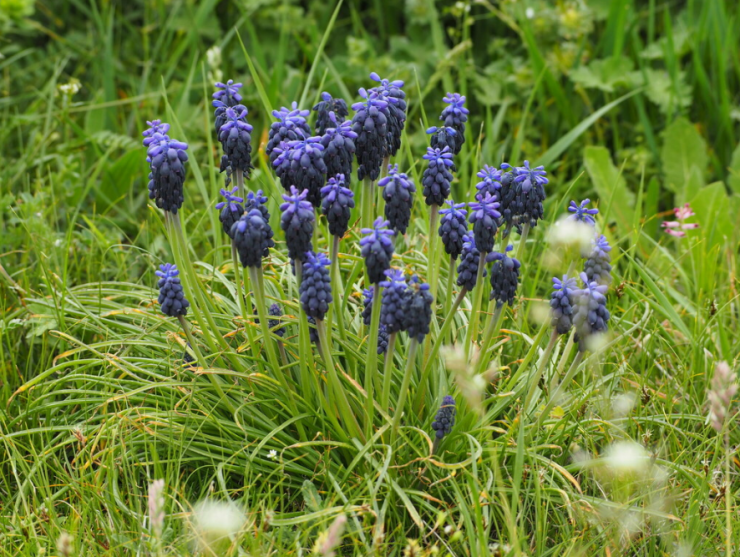
When spring arrives, grape hyacinths burst onto the scene like clusters of deep blue and violet pearls, carpeting lawns, garden borders, and woodland edges. Cherished for their delicate beauty and early blooms, these small flowers are often planted purely for decoration. However, few people realize that grape hyacinths also carry a rich history of traditional uses and subtle health-related benefits. Let’s explore what makes the Muscari genus so intriguing—well beyond the flower bed.
Grape hyacinths are perennial bulb plants native to the Mediterranean region and parts of Western Asia. Belonging to the Muscari genus, they feature tightly packed, bell-shaped flowers that resemble miniature bunches of grapes perched atop slender stems—hence their common name. Though frequently mistaken for true hyacinths, grape hyacinths are botanically distinct and are more closely related to other spring-blooming bulb plants such as squill and lily of the valley.
1. Digestive Support in Folk Medicine
In traditional Mediterranean cultures, certain species—particularly Muscari comosum, also known as tassel hyacinth—were valued not just for their appearance but for their edible bulbs. These bulbs were typically boiled, sautéed, or pickled before consumption. Historically, they were believed to gently stimulate digestion and act as a mild laxative, supporting gut regularity after the long winter months.
2. Detoxifying and Diuretic Qualities
Boiled bulbs were also traditionally consumed to encourage kidney function and help the body eliminate excess fluids. In rural Greek and Italian communities, grape hyacinth bulbs were sometimes incorporated into springtime cleansing routines, aligning with seasonal renewal practices aimed at refreshing the body after winter.
3. Mild Anti-Inflammatory Properties
Early herbal practitioners noted that preparations made from certain Muscari species—such as infusions or external poultices—were believed to have calming effects on minor inflammation and swelling. While these uses were largely anecdotal, they highlight the plant’s longstanding role in folk healing traditions.
4. A Valuable Early Food Source for Pollinators
One of the most important modern benefits of grape hyacinths is their role in supporting pollinators. Blooming early in spring, they provide much-needed nectar for bees and other insects emerging after winter dormancy. Planting grape hyacinths contributes to local biodiversity and helps sustain healthy ecosystems.
5. Natural, Low-Maintenance Ground Cover
Grape hyacinths spread readily through bulb division, forming dense, low-growing mats that naturally suppress weeds. They are remarkably hardy, require minimal care, and thrive in a wide range of soil conditions—including poor or rocky soils—making them an excellent choice for sustainable gardening.
Although Muscari comosum bulbs have a history of culinary use in Mediterranean regions, not all grape hyacinth species are edible. Many ornamental varieties and hybrids should never be consumed. Additionally, plants grown in chemically treated gardens may be unsafe for ingestion. Proper identification is essential, and it’s always wise to consult a reputable field guide or experienced herbalist before using any wild plant for food or remedies.
As a Garden Companion:
Plant grape hyacinths beneath deciduous trees, along walkways, or between stepping stones. They pair beautifully with tulips, daffodils, and crocuses, creating layered color displays that evolve throughout the spring season.
As a Natural Dye Source:
The flowers’ vivid blue hues can be used to dye fabric, wool, or paper. While the color may fade without fixatives, it offers a gentle, natural option for craft projects and traditional dye experiments.
As a Symbol of Renewal:
In floral symbolism, grape hyacinths represent rebirth, trust, and sincerity. Their early blooms and resilient nature make them a meaningful addition to spring rituals, floral arrangements, or seasonal celebrations focused on new beginnings.
Small in stature yet rich in history, the grape hyacinth carries a legacy that blends beauty, tradition, and ecological value. Whether admired purely for its charm or appreciated for its lesser-known cultural and practical uses, Muscari remains a quiet spring treasure—well worth planting, protecting, and understanding.