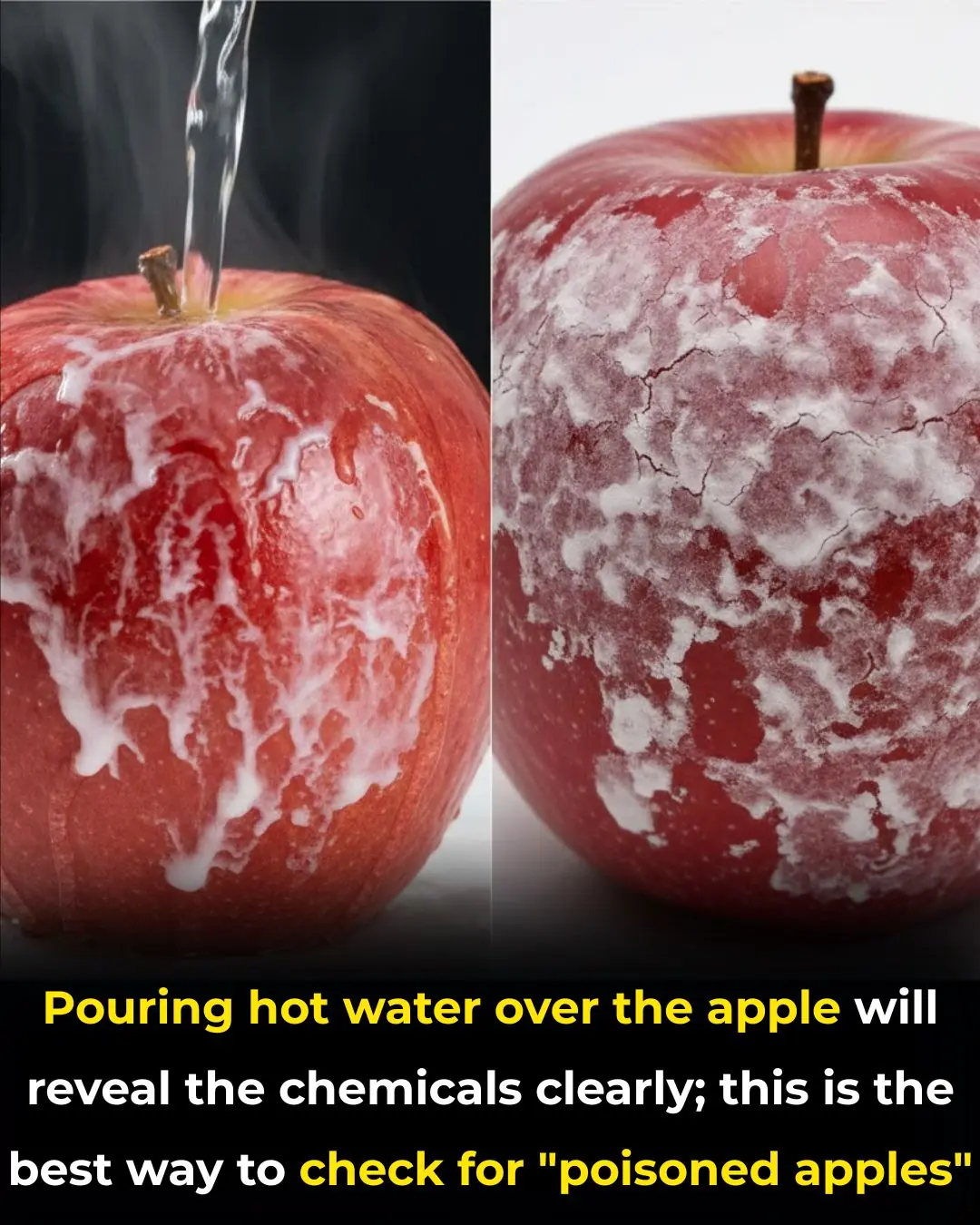
Pouring hot water over the apple will reveal the chemicals clearly; this is the best way to check for "poisoned apples"
Tips 10/01/2026 14:50
Washing and soaking vegetables in water is a long-standing practice used in many households to remove dirt, bacteria, and pesticide residues. While this method is widely believed to be safe, doing it incorrectly can actually reduce nutritional value and, in some cases, increase health risks. Food safety experts warn that traditional soaking methods should be updated to align with modern hygiene standards.
Understanding how to properly clean vegetables is essential for protecting your health and preserving nutrients.
Soaking vegetables in plain water for long periods may cause water-soluble vitamins such as vitamin C and B vitamins to leach out, reducing their nutritional value. Additionally, soaking vegetables together in a shared container can lead to cross-contamination, especially if one item carries bacteria or pesticide residue.
Another concern is that soaking alone may not effectively remove certain pesticide residues or pathogens, giving a false sense of safety.
Many people believe that adding salt, baking soda, or vinegar to soaking water will completely eliminate chemicals and bacteria. While these substances may help reduce surface residues, improper concentrations or excessive soaking time can damage the texture and flavor of vegetables.
Extended soaking can also allow bacteria to spread in stagnant water rather than being removed.
Food safety authorities recommend washing vegetables under clean, running water rather than soaking them for extended periods. Gently rubbing the surface with your hands or a soft brush helps remove dirt and residues more effectively.
For leafy vegetables, separating the leaves and rinsing them individually under running water is more effective than soaking them in a bowl. If soaking is necessary, it should be brief and followed by thorough rinsing.
Research suggests that a mild baking soda solution may help reduce certain pesticide residues when used correctly and briefly, followed by thorough rinsing. However, it should not replace proper washing techniques or be used excessively.
No household method can completely eliminate all pesticides, which is why choosing fresh produce from reliable sources and washing it properly is crucial.
Wash vegetables just before use, not long before storage
Avoid soaking vegetables for long periods
Use clean hands, utensils, and containers
Store vegetables properly after washing to prevent bacterial growth
Soaking vegetables in water is not inherently dangerous, but outdated or improper methods can do more harm than good. By switching to safer, science-backed cleaning techniques, you can reduce health risks while preserving nutrients and flavor. Small changes in food preparation habits can make a meaningful difference in long-term health.