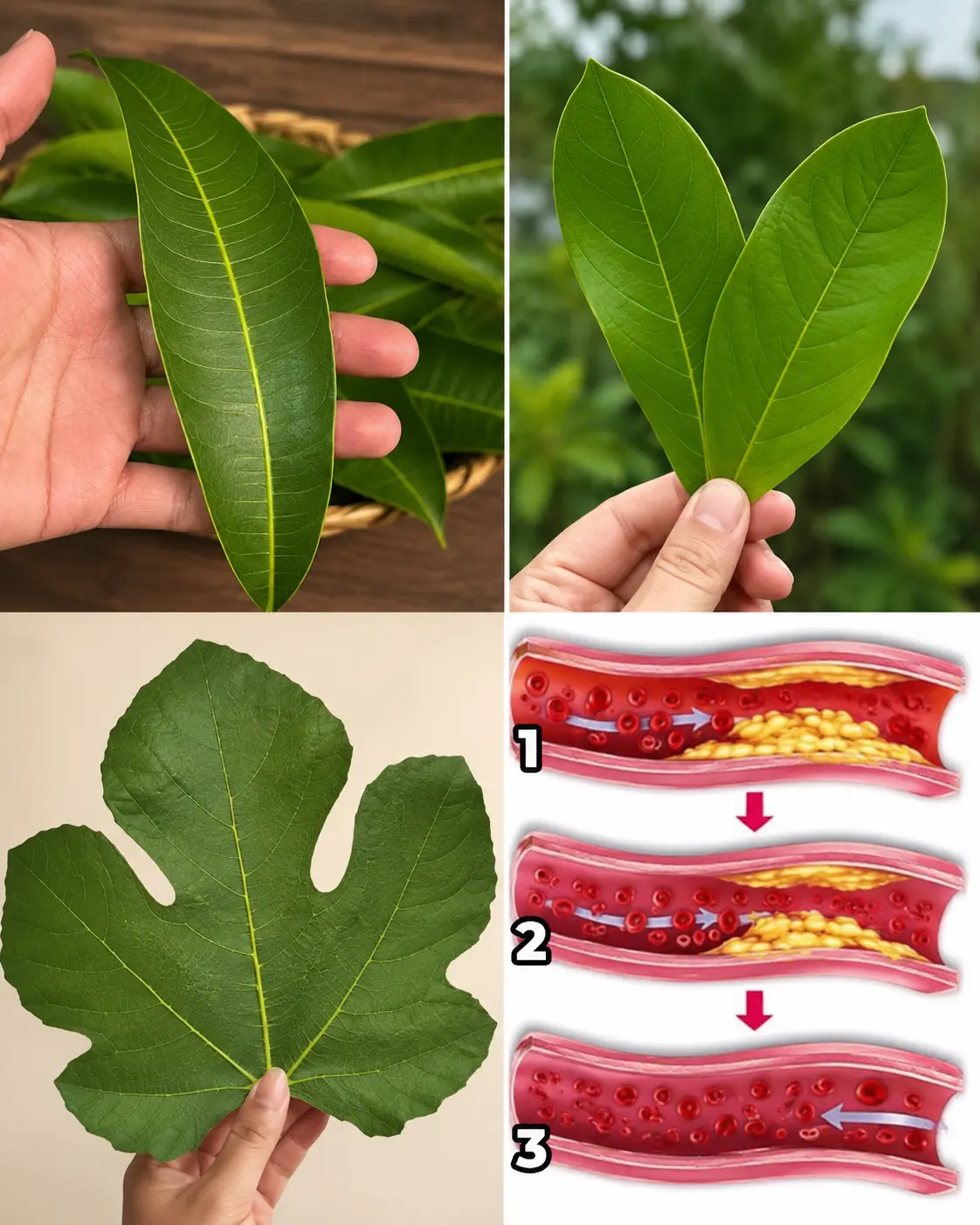
Guava Leaf Tea: Benefits, Traditional Uses, and a Simple Herbal Recipe

Discover the Natural Goodness of Guava Leaves
For centuries, medicinal plants have played an important role in traditional wellness practices around the world. Among them, the guava tree (Psidium guajava) stands out not only for its delicious fruit but also for its nutrient-rich leaves.
While guava fruit is famous for its vitamin C content and refreshing flavor, the leaves contain a variety of naturally occurring plant compounds that have long been used in traditional herbal preparations across Asia, Latin America, and Africa.
Today, guava leaf tea continues to gain popularity as a comforting herbal beverage that may support digestive wellness, healthy blood sugar already within the normal range, and overall well-being. When combined with ingredients like ginger, turmeric, cinnamon, mint, and lemon, it creates a flavorful infusion packed with antioxidants and aromatic herbs.
Let's explore its traditional properties, potential wellness benefits, and an easy recipe you can prepare at home.
What Makes Guava Leaves Special?
Guava leaves naturally contain several beneficial plant compounds, including:
- Polyphenols
- Flavonoids
- Quercetin
- Natural tannins
- Antioxidant compounds
- Plant-based anti-inflammatory compounds
These naturally occurring substances have made guava leaves a valued ingredient in traditional herbal wellness for generations.
Traditional Properties of Guava Leaves
Many herbal practitioners appreciate guava leaves because they may help support:
- Rich antioxidant protection
- Healthy digestion
- Natural inflammatory balance
- Healthy liver function
- Kidney wellness
- Balanced cholesterol already within the normal range
- Healthy cardiovascular function
- Normal blood sugar metabolism
- The body's natural detoxification processes
- Overall vitality and wellness
These traditional uses are based on historical practices and emerging scientific interest. More clinical research is still needed.
Potential Benefits of Guava Leaf Tea
1. Supports Digestive Wellness
Guava leaf tea has traditionally been consumed after meals to help maintain digestive comfort. Its natural tannins and plant compounds may help support a balanced digestive system.
2. Helps Maintain Healthy Blood Sugar Levels
Several studies have explored guava leaves for their ability to support healthy carbohydrate metabolism and help maintain blood sugar levels already within the normal range when combined with a healthy lifestyle.
3. Provides Antioxidant Support
Guava leaves are naturally rich in antioxidants that help protect cells from oxidative stress caused by free radicals.
4. Supports Healthy Liver Function
The antioxidants found in guava leaves may help support the liver's normal protective functions as part of a balanced diet.
5. Promotes Natural Kidney Wellness
Drinking herbal teas while staying properly hydrated may support normal fluid balance and overall urinary wellness.
6. Helps Maintain Healthy Cholesterol Levels
Some research suggests the flavonoids found in guava leaves may support healthy cholesterol levels already within a normal range when paired with nutritious eating habits.
7. Supports Healthy Blood Pressure
When combined with a heart-friendly lifestyle, guava leaf tea may contribute to overall cardiovascular wellness.
8. Encourages a Healthy Inflammatory Response
Naturally occurring plant compounds may help support the body's normal response to everyday inflammation.
9. Supports Immune Health
Its antioxidants and naturally occurring vitamin-like compounds may help support normal immune function.
10. Promotes Overall Well-Being
A warm cup of herbal tea can be a relaxing addition to your daily routine while providing beneficial plant nutrients.
Herbal Guava Leaf Tea Recipe
Ingredients
- 7 fresh guava leaves (washed thoroughly)
- 1 small piece of fresh ginger, sliced
- 1 cinnamon stick
- 1 teaspoon ground turmeric (or a small piece of fresh turmeric)
- 1 tablespoon fresh mint leaves
- 2 cups (500 ml) water
- Juice of ½ fresh lemon
- 1 teaspoon honey (optional)
How to Prepare
- Rinse the guava leaves thoroughly under running water.
- Bring 2 cups of water to a gentle boil.
- Add the ginger and cinnamon stick.
- Once boiling, add the guava leaves.
- Stir in the turmeric and mint leaves.
- Reduce the heat and let the mixture simmer for about 10 minutes.
- Remove from heat and allow it to steep for another 5 minutes.
- Strain the tea into your favorite cup.
- Add fresh lemon juice.
- Sweeten with honey if desired, then stir well and enjoy.
Suggested Serving
Many people enjoy:
- One cup in the morning
- One cup in the evening
If drinking regularly, consider enjoying it for 7–10 days, followed by a short break. Variety is generally encouraged in herbal routines.
Tips for the Best Cup
- Choose fresh, healthy guava leaves whenever possible.
- Avoid adding refined sugar.
- Pair the tea with a balanced diet rich in fruits and vegetables.
- Stay well hydrated throughout the day.
- Combine with regular physical activity and quality sleep for overall wellness.
Important Considerations
Although guava leaf tea is generally enjoyed as a traditional herbal beverage, keep these points in mind:
- Pregnant or breastfeeding individuals should consult a healthcare professional before using herbal preparations.
- People with diabetes, kidney disease, liver disease, or those taking prescription medications should seek medical advice before consuming herbal teas regularly.
- Herbal beverages should complement—not replace—medical treatment or prescribed medications.
- Avoid excessive or prolonged consumption unless advised by a qualified healthcare provider.
Frequently Asked Questions
Can I use dried guava leaves?
Yes. Dried leaves can also be used, though fresh leaves often provide a brighter flavor and aroma.
Can I drink guava leaf tea every day?
Many people enjoy it regularly in moderation. If you plan to consume it long-term, it's best to discuss it with your healthcare provider.
Does adding ginger and turmeric improve the tea?
These ingredients contribute their own antioxidant compounds and warm flavor, making the tea more aromatic and enjoyable as part of a healthy lifestyle.
Final Thoughts
Guava leaf tea is a traditional herbal drink that has been appreciated for generations for its naturally occurring antioxidants and plant compounds. Combined with ginger, turmeric, cinnamon, mint, and lemon, it creates a flavorful infusion that can be a comforting addition to a balanced lifestyle.
While no herbal tea is a cure or quick fix, incorporating nutrient-rich beverages like guava leaf tea alongside wholesome nutrition, regular exercise, adequate hydration, and quality sleep may help support your overall wellness journey naturally.

News in the same category


🌿✨ Golden Honey: A Simple Natural Blend Worth Discovering

Natural Lifestyle Habits That May Support Well-Being During Cancer Care: Understanding Barbara O'Neill's Perspective

Eat Garlic and Honey on an Empty Stomach for 7 Days: A Simple Morning Ritual That May Support Everyday Wellness

A Traditional Herbal Tea Blend: What It May Support (and What It Can’t Promise)

Banana Blossom: A Traditional Superfood That May Support Healthy Blood Sugar, Blood Pressure, and Digestive Wellness

🌸 17 Papaya Flower Benefits for Natural Wellness: Nutrition, Traditional Uses & Easy Ways to Enjoy It

👉 Don't Ignore This "Weed": Why Purslane May Surprise Your Diet

Garlic, Ginger, and Onion for Men’s Vitality: A Natural Way to Support Circulation and Sexual Wellness

Polygonum aviculare (Knotgrass): Toxic or Helpful? A Complete Guide to Benefits and Dangers

The Hidden Power of Charcoal: Practical Uses, Natural Remedies, and Smart Combinations

Sumac Power: 20 Benefits and Easy Ways to Use It at Home

The Five Leaves That Eliminate Diabetes, Cancer, Fatty Liver, Poor Circulation, and High Blood Pressure – No Pills Needed

🍈✨ Raw Guava: A Fiber-Rich Fruit That May Help Support Healthy Blood Sugar Balance Naturally

6 Seeds Often Called the “Enemies” of Cellular Stress: Small Foods That May Support Everyday Wellness 🌱✨

🥥🧄🌱 Coconut Water, Garlic & Ginger Blend: A Traditional Tonic to Support Everyday Vitality (Enjoy in Moderation)

Castor Oil: 25 Practical Uses, How to Use It Safely, and What You Should Know

Avoid Ginger? 5 Health Conditions Older Adults Should Not Ignore

Natural Overnight Face Mask: A Simple Way to Support Soft, Radiant Skin While You Sleep
News Post

Guava Leaves and Garlic: A Traditional Herbal Blend to Support Healthy Circulation, Heart Wellness, and Balanced Blood Sugar 🌿🧄❤️

Have You Ever Tried Boiling Pineapple Peels with Cloves? A Simple Homemade Tea for Everyday Enjoyment 🍍🌿

🌿✨ Golden Honey: A Simple Natural Blend Worth Discovering

Natural Lifestyle Habits That May Support Well-Being During Cancer Care: Understanding Barbara O'Neill's Perspective

Proven Health Benefits of Beets and Fermented Beets (Science Based)

Eat Garlic and Honey on an Empty Stomach for 7 Days: A Simple Morning Ritual That May Support Everyday Wellness

Apply this 1 mixture on your ankles and get rid of swollen mosquito welts, red bite marks, relentless itching

A Traditional Herbal Tea Blend: What It May Support (and What It Can’t Promise)

Banana Blossom: A Traditional Superfood That May Support Healthy Blood Sugar, Blood Pressure, and Digestive Wellness

🌸 17 Papaya Flower Benefits for Natural Wellness: Nutrition, Traditional Uses & Easy Ways to Enjoy It

👉 Don't Ignore This "Weed": Why Purslane May Surprise Your Diet

Garlic, Ginger, and Onion for Men’s Vitality: A Natural Way to Support Circulation and Sexual Wellness

12 Early Warning Signs of Cancer You Should Never Ignore

Doctor shares what it means if you always need to poo immediately after you eat

Apply this 1 trick to your skin tags and watch them shrink, dry up, and fall off

Found these red bites in a straight line on my brother's neck this morning. He's freaking out. Does anyone know what bit him so we can treat it?

If Your Fingers Turn White in the Cold, Your Body May Be Warning You About Something

4 Skin Symptoms That Could Be Warning Signs of Liver Disease

A 9-Year-Old Boy's Mysterious Stones: Why Children's Daily Habits Matter for Kidney and Urinary Health