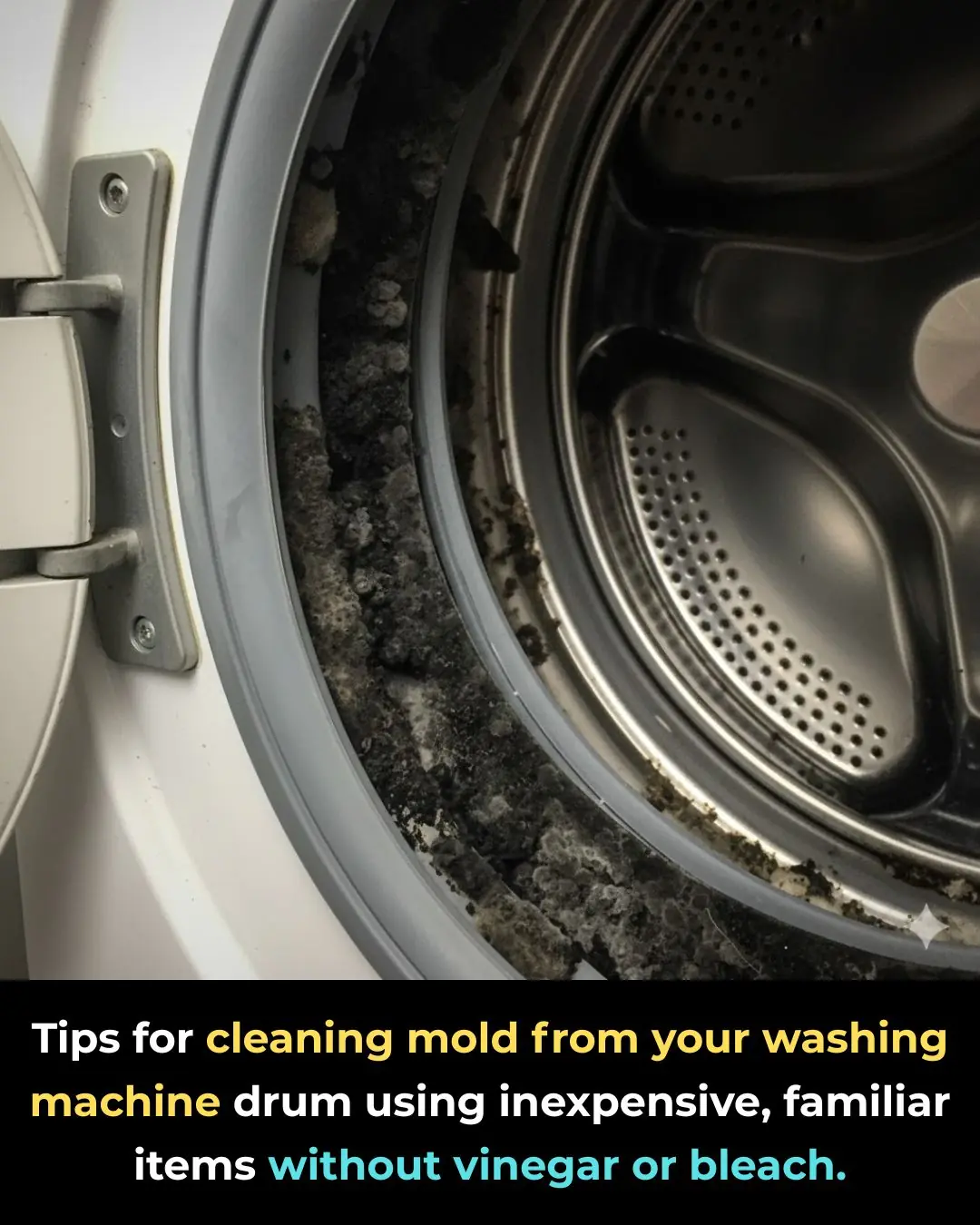
Tips for cleaning mold from your washing machine drum using inexpensive, familiar items without vinegar or bleach.
Tips 15/12/2025 00:24
Moving into a new home is an exciting milestone, but it often comes with a few unpleasant surprises. One common issue many people face is discovering yellow or brown urine stains on the underside of a toilet seat, especially seats made of plastic or melamine. While these stains can look unhygienic and difficult to remove, replacing the entire seat may not be necessary right away.
Before spending money on a new toilet seat, it’s worth trying a few proven cleaning methods. In many cases, stubborn stains can be significantly reduced—or even completely removed—using simple household products. This guide walks you through why these stains form, when cleaning is worth the effort, and the most effective cleaning tricks to restore your toilet seat.

Toilet seats commonly develop yellow or brown discoloration due to repeated exposure to urine and hard water minerals. When urine dries on the surface, it leaves behind uric acid crystals that can bond to plastic or melamine materials. Over time, especially with inconsistent cleaning, these residues darken and become harder to remove.
Hard water can make the problem worse. Water rich in calcium and magnesium leaves mineral deposits that mix with soap scum and organic residue. Plastic and melamine surfaces often contain tiny pores or scratches, allowing stains to settle in and become more stubborn with age.
Before deciding to replace your toilet seat, assess its condition carefully. If the seat is structurally intact and the stains appear to be surface-level, cleaning is usually worth trying first. Cleaning costs very little and can deliver impressive results.
However, if the seat is cracked, deeply scratched, or heavily etched, stains may be permanent. Basic plastic seats are relatively affordable, so if cleaning fails or hygiene is a concern, replacing the seat may be the most practical option.
Always begin with the simplest method. Mix mild dish soap with hot water and use a non-scratch scrub pad to clean the underside of the seat. This can remove surface grime and light staining without damaging the material.
Rinse thoroughly and dry the seat. If stains remain, move on to stronger solutions.
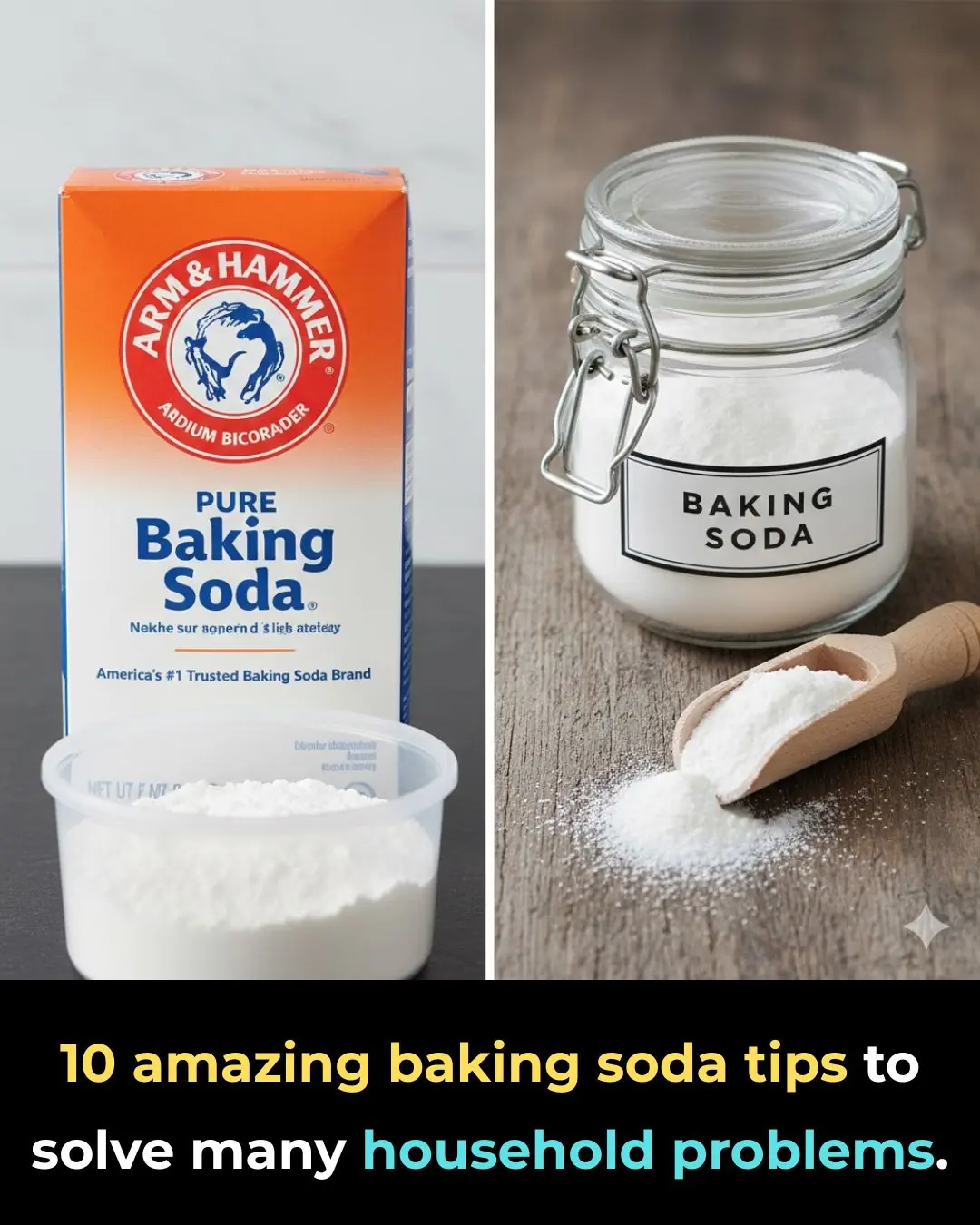
One of the most effective natural cleaners is a baking soda and white vinegar paste. Sprinkle baking soda over the stains, then add vinegar to create a fizzing reaction that helps loosen residue.
Let the mixture sit for 10–15 minutes, then scrub gently and rinse well. This method is affordable, non-toxic, and safe for most plastic toilet seats.
For more persistent discoloration, mix baking soda with hydrogen peroxide to form a thick paste. Apply it to the stained areas and let it sit for about 20 minutes.
Hydrogen peroxide acts as a mild bleaching agent, helping to lift deep stains while baking soda adds scrubbing power. Rinse thoroughly after cleaning.
Magic Erasers are effective on plastic and melamine because they work like ultra-fine sandpaper. Simply dampen the eraser and gently rub the stained areas.
Use light pressure to avoid micro-scratches, then wipe clean with a damp cloth.
Enzyme cleaners are designed to break down organic matter and are especially effective for old urine stains and odors. Apply according to the product instructions, allow time for the enzymes to work, then scrub and rinse.
These cleaners are commonly used in professional cleaning and pet-odor removal.
Bleach can whiten plastic but should be used cautiously. Always dilute it (about 1 part bleach to 10 parts water) and ensure good ventilation.
Apply briefly—no more than 10 minutes—scrub gently, and rinse thoroughly. Avoid bleach on colored seats and always test a small area first.
Some viral cleaning methods can actually help. One effective trick involves applying a cleaner, then covering the area with plastic wrap to prevent evaporation and allow deeper penetration.
For extreme cases, remove the seat and soak it overnight in warm water mixed with vinegar or cleaner. Scrub in the morning for improved results.
If discoloration remains after multiple attempts, the stains may be etched into the material. This usually means the plastic has aged or degraded.
Temporary fixes like plastic spray paint exist, but they rarely last. In these cases, replacement is often the most hygienic and visually pleasing solution.
If replacement becomes necessary, choose a seat with:
Smooth, glossy surfaces
Quick-release hinges for easy cleaning
Antimicrobial coatings if available
Plastic seats are affordable and low-maintenance, while wood or bamboo options offer style but require more care.
To keep your new toilet seat clean:
Wipe it down weekly with mild cleaner
Clean spills immediately
Consider a water softener if you have hard water
Use toilet seat covers or close the lid when flushing
Regular maintenance goes a long way in keeping your bathroom clean, comfortable, and welcoming in your new home.