10 Incredible Life Changing Health Benefits You Receive When You Start Eating Beets
Tips 14/12/2025 21:23
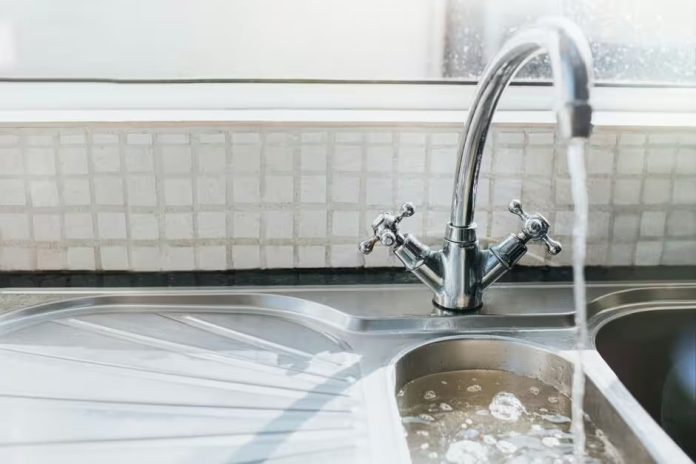
When water starts draining slowly or unpleasant odors rise from the drain, many people instinctively turn to commercial drain-cleaning chemicals. However, according to a technician from Allen Plumbing (USA), quoted by Express, there is a far more effective, safer, and environmentally friendly solution that most households already have on hand.
“All you need is a kettle or a pot, a stove, and tap water. Bring the water to a boil and pour it directly down the drain,” the technician explained. “Boiling water helps dissolve grease, leftover oils, soap residue, and small debris that commonly build up inside pipes and cause blockages.”
Although this method sounds simple, it can be surprisingly effective in dealing with minor clogs—especially in kitchen sinks, where grease and food residue frequently accumulate. Hot water works by softening and loosening these substances, allowing them to flow more easily through the pipes and restoring proper drainage without harsh chemicals.
Beyond fixing minor issues, regularly pouring boiling water down the drain can also help prevent blockages from forming in the first place. Plumbers recommend making this a weekly habit to keep pipes clean, clear, and odor-free. This preventative step is particularly useful for households that cook often or use a lot of oil and dish soap, as these substances tend to solidify over time inside plumbing systems.
For more stubborn clogs, homeowners can still rely on natural ingredients commonly found in the kitchen. One popular method involves combining baking soda with white vinegar. Mix about half a cup of each, pour the mixture down the drain, and cover the opening to keep the fizzing reaction contained inside the pipe. After 15 minutes, flush the drain thoroughly with hot water.
This reaction helps break down grime, remove buildup, and neutralize unpleasant odors, making it especially suitable for bathroom and kitchen sinks. In addition, simple tools such as a plunger can be used to create pressure and dislodge blockages. For clogs caused by hair or trapped food particles, a drain snake—or even a straightened wire coat hanger—can be effective in pulling debris out of the pipe.
If natural methods fail to resolve the problem, chemical drain cleaners may be considered—but only as a last resort. Experts caution that these products can damage pipes over time and pose risks to both human health and the environment if overused or handled improperly.
“Chemical cleaners should always be the final option,” the plumber emphasized. “If you’re unsure about the condition of your pipes or the severity of the clog, it’s best to call a professional.”
While waiting for expert help, you may find that something as ordinary as a kettle of boiling water can be the simplest, most affordable, and most effective tool for protecting your home’s drainage system.