Swollen Legs: What Could It Mean? Common Causes You Should Never Ignore
Health 05/07/2026 15:38
10 Symptoms That Could Be Worth Checking Out
Your body is constantly communicating with you. Most of the time, small changes are harmless and temporary, but sometimes they can be early clues that something deserves medical attention. Learning to recognize these warning signs doesn't mean assuming the worst—it means paying attention to your health and knowing when it's time to seek professional advice.
Many serious health conditions are easier to manage when they are detected early. While the symptoms listed below can have many different causes, they should not be ignored if they are persistent, severe, or unexplained.
Here are 10 important health signs that may be worth discussing with a healthcare professional.
Losing weight intentionally through healthy eating and exercise is generally a positive achievement. However, losing weight without trying may sometimes signal an underlying health issue. Possible causes include:
Thyroid disorders
Diabetes
Digestive conditions
Chronic infections
Certain cancers
Depression
If you lose a significant amount of weight without changing your diet or activity level, it's important to seek medical evaluation.
Everyone feels tired occasionally, especially after a busy day or poor night's sleep. Persistent fatigue that lasts for weeks or interferes with daily life deserves attention. It may be associated with:
Anemia
Sleep disorders
Thyroid disease
Diabetes
Heart disease
Chronic infections
Mental health conditions
Your healthcare provider can help identify the cause through a medical history, examination, and appropriate testing.
Chest discomfort should always be taken seriously. While chest pain can have many causes—including muscle strain, acid reflux, or anxiety—it may also indicate a heart attack or another serious heart condition. Seek emergency medical care immediately if chest pain is accompanied by:
Shortness of breath
Sweating
Pain spreading to the jaw, neck, shoulder, or arm
Nausea
Dizziness
Prompt treatment can save lives.
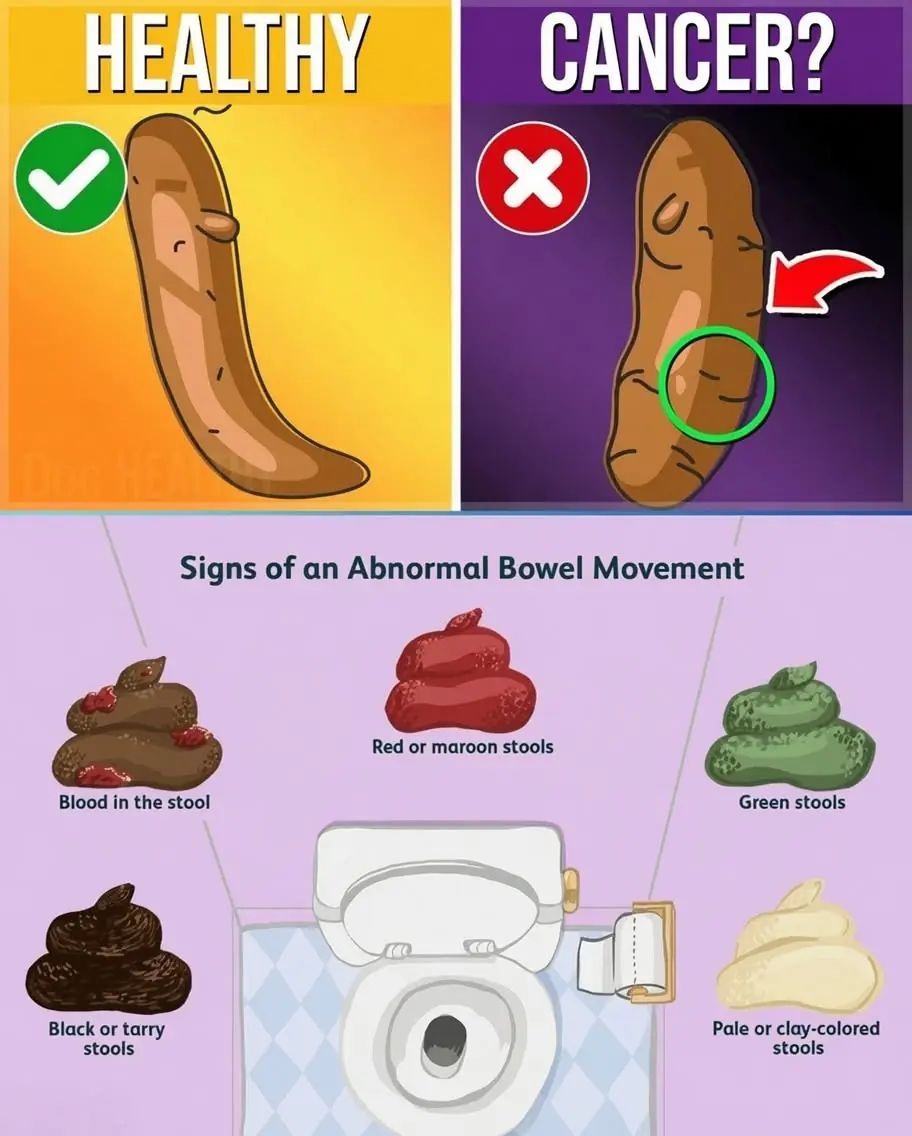
Temporary digestive changes are common. However, persistent changes lasting several weeks should be evaluated. These may include:
Ongoing diarrhea
Persistent constipation
Blood in the stool
Narrow stools
Ongoing abdominal pain
These symptoms can result from many conditions, including infections, inflammatory bowel disease, or colorectal disorders.
Feeling breathless after strenuous exercise is normal. Shortness of breath during routine activities or while resting is not. Possible causes include:
Asthma
Heart disease
Lung disease
Anemia
Pulmonary infections
Seek urgent medical care if breathing difficulty develops suddenly or becomes severe.
Your skin can provide valuable clues about your health. Watch for:
New moles
Changes in the size, color, or shape of existing moles
Sores that do not heal
Persistent skin changes
The ABCDE rule can help identify concerning moles:
A – Asymmetry
B – Border irregularity
C – Color variation
D – Diameter larger than about 6 mm
E – Evolving or changing over time
A dermatologist can evaluate suspicious skin changes.
Occasionally drinking more fluids naturally leads to more frequent urination. However, persistent excessive thirst combined with increased urination may sometimes be associated with:
Diabetes
Kidney disease
Certain hormonal disorders
Early diagnosis allows treatment to begin before complications develop.
Swelling in the feet, ankles, hands, or face can occur for many reasons. Sometimes it results from:
Standing for long periods
Hot weather
Minor injuries
However, persistent or unexplained swelling may also be linked to:
Heart disease
Kidney disease
Liver disease
Problems with blood circulation
Medical evaluation helps determine the underlying cause.
Most headaches are not dangerous. However, seek prompt medical attention if a headache:
Appears suddenly and severely
Is unlike previous headaches
Follows a head injury
Is accompanied by fever, confusion, weakness, vision changes, or difficulty speaking
These symptoms could indicate a serious neurological condition requiring urgent care.
Pain is your body's way of signaling that something needs attention. Whether it's persistent back pain, abdominal pain, joint pain, or another type of discomfort, pain lasting weeks should not simply be ignored. Proper evaluation can identify treatable causes and prevent further complications.
Many diseases develop gradually. Conditions such as:
High blood pressure
Diabetes
Kidney disease
Heart disease
Certain cancers
may cause few or no symptoms during their early stages. Routine medical checkups and appropriate screening tests often detect these conditions before serious complications develop.
While no lifestyle can prevent every illness, healthy daily habits can reduce the risk of many chronic diseases. Try to:
Eat a balanced diet rich in fruits and vegetables.
Choose whole grains.
Stay physically active.
Sleep seven to nine hours each night.
Stay hydrated.
Avoid smoking.
Limit alcohol consumption.
Manage stress.
Attend regular health checkups.
Small, consistent choices often have the greatest long-term impact.
Call emergency medical services immediately if you experience:
Chest pain with shortness of breath
Sudden weakness on one side of the body
Difficulty speaking
Sudden vision loss
Severe allergic reactions
Fainting
Difficulty breathing
Sudden severe headache with neurological symptoms
These symptoms may indicate life-threatening conditions that require immediate treatment.
It's natural to search online when symptoms appear, but internet information cannot replace a professional medical evaluation. Many symptoms overlap among different conditions. Only a qualified healthcare professional can determine the cause through:
Medical history
Physical examination
Laboratory testing
Imaging studies when necessary
If you're concerned about a persistent symptom, seeking medical advice is always the safest approach.
Your body often provides early clues when something isn't quite right. Unexplained weight loss, persistent fatigue, chest pain, changes in bowel habits, shortness of breath, skin changes, frequent urination, swelling, severe headaches, and ongoing pain are all symptoms that deserve attention if they are persistent, severe, or unusual for you.
Most of these symptoms have many possible causes, and they do not necessarily indicate a serious illness. However, paying attention to your body, maintaining healthy lifestyle habits, attending routine checkups, and seeking timely medical evaluation when needed can help detect health problems earlier and improve long-term outcomes.
Listening to your body is one of the most important steps you can take toward protecting your health.