Fabric Softeners and Indoor Air Quality: Hidden Health Risks You Should Know
Facts 15/12/2025 00:06
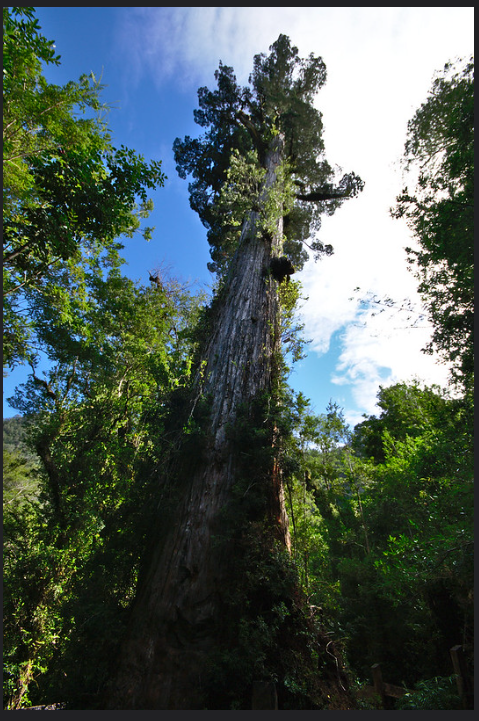
Chilean scientists have identified a massive Patagonian cypress tree—known locally as Alerce Milenario or the Great-Grandfather—as what could be the oldest living tree on Earth, potentially surpassing the current record holder by more than 600 years.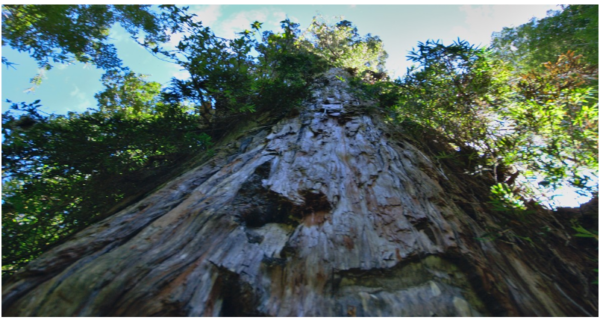
Located in Alerce Costero National Park in southern Chile, the tree has a trunk measuring nearly four meters in diameter and grows in a cool, humid forest environment that has allowed it to survive for millennia. If its estimated age is confirmed, the Great-Grandfather would be approximately 5,484 years old, making it older than any other known living tree.
The age estimate comes from research led by Jonathan Barichivich, a Chilean scientist working at the Climate and Environmental Sciences Laboratory in Paris. In 2020, Barichivich extracted a partial core sample from the tree. However, due to the immense thickness and internal decay of the trunk, the drill was unable to reach the center—normally essential for counting annual growth rings.
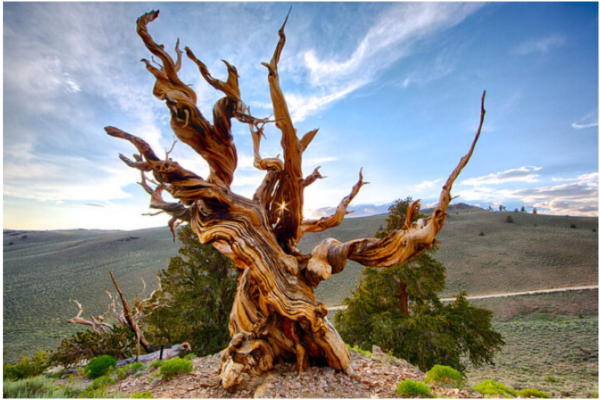
To overcome this limitation, Barichivich applied advanced statistical and computer modeling techniques, combining partial ring data with environmental variables and natural growth fluctuations. The results suggested the tree could be several centuries older than Methuselah, a 4,853-year-old Great Basin bristlecone pine currently recognized as the world’s oldest living tree, located in California’s White Mountains.
Chile’s environment minister Maisa Rojas, who is also a member of the UN Intergovernmental Panel on Climate Change (IPCC), described the finding as a “marvellous scientific discovery” that highlights the ecological value of Chile’s remaining ancient forests.
Although the research has attracted global attention, the age estimate has not yet been formally published in a peer-reviewed scientific journal. Barichivich has stated that he plans to submit the full analysis once additional verification is completed.
Until then, the Great-Grandfather remains a strong candidate—but not yet the officially crowned oldest tree. Still, experts agree that even the most conservative estimates place it among the oldest living organisms on the planet.
Beyond its age, the Great-Grandfather plays a vital ecological role. Its deeply fissured bark provides shelter for mosses, lichens, fungi, and small plants, effectively functioning as a micro-ecosystem. The Patagonian cypress (Fitzroya cupressoides) belongs to the same family as giant redwoods and is native only to Chile and Argentina, making it both ancient and rare.
Despite its resilience, the Great-Grandfather faces growing threats. According to Barichivich, tourism pressure—with visitors walking directly around the tree’s base—poses physical risks to its root system. Additionally, increasing droughts linked to climate change are placing stress on the forest’s delicate water balance.
Chile’s forestry data reveal a broader environmental concern. While commercial logging plantations cover over 2.3 million hectares in southern Chile, more than 93% of that land is planted with non-native pine and eucalyptus, both of which consume large amounts of water. Between 1973 and 2011, Chile lost over 780,000 hectares of native forest, threatening ecosystems that took thousands of years to develop.
If confirmed, the Great-Grandfather would not only hold a world record—it would stand as a living witness to human history, having taken root long before the pyramids of Egypt were built. Its survival now depends on modern conservation choices.
Protecting ancient trees like Alerce Milenario is not just about preserving records; it’s about safeguarding irreplaceable ecosystems and honoring the deep natural history still standing quietly among us.