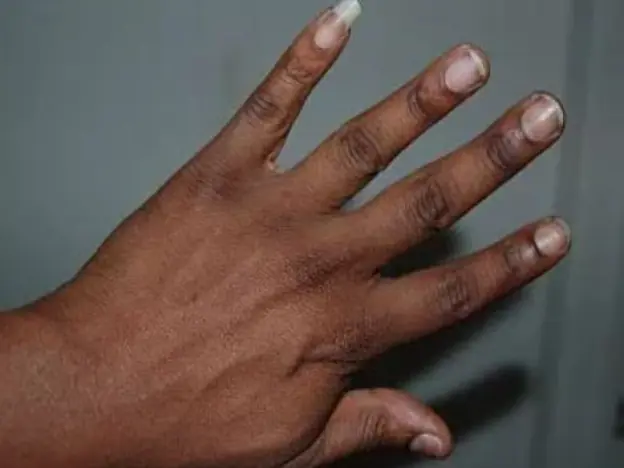
Why do some men grow this nail long?
Health 25/03/2026 19:02
What worked at 40 may not work at 70. Your skin has changed—it's time to change with it.
As we age, our skin naturally changes. After 60, the skin becomes thinner, drier, and more fragile. Oil glands produce less natural moisture, and the protective barrier that keeps bacteria out and hydration in weakens over time. Daily showers—especially with hot water and regular soap—can strip away what little natural oil remains.
This often leads to dry skin, itching, irritation, and even small cracks that are easy to overlook. These tiny breaks in the skin can become entry points for infections, which are harder for older bodies to fight off.
| Change | What It Means |
|---|---|
| Thinner skin | More fragile, tears more easily |
| Less natural oil | Skin becomes dry, itchy, prone to cracking |
| Slower cell turnover | Healing takes longer |
| Weakened barrier | Less protection against bacteria |
| Reduced circulation | Skin gets fewer nutrients, slower to repair |
These changes are normal. They're not a sign of poor health—they're a sign of a life well-lived. But they do mean that the hygiene routines of younger years may need adjusting.
Frequent washing strips away the natural oils that keep skin supple. When skin becomes too dry, it can crack. Those tiny cracks might seem insignificant, but they're openings for bacteria.
For older adults, even small skin breaks can lead to cellulitis or other skin infections. The immune system is less robust, and healing takes longer.
Hot water can cause dizziness or blood pressure drops. Getting in and out of the shower increases fall risk—especially if feeling lightheaded.
Wet floors, stepping over tub edges, and standing on slippery surfaces all pose fall risks. Falls are the leading cause of injury among older adults.
Chronic dry skin can lead to persistent itching, which disrupts sleep and can lead to scratching that further damages the skin barrier.
Most dermatologists suggest that older adults shower:
2-3 times per week (unless they're visibly dirty, sweaty, or incontinent)
More frequent "spot cleaning" of face, underarms, and groin on non-shower days
Using warm, not hot, water
Keeping showers short (5-10 minutes maximum)
Check that the bathroom is well-lit
Place a non-slip mat inside and outside the tub
Install grab bars if possible
Keep a shower chair handy
Set water heater to no more than 120°F (49°C) to prevent scalding
Use warm, not hot water
Keep showers under 10 minutes
Use mild, fragrance-free cleansers (not regular bar soap)
Pat dry with a soft towel—don't rub
Apply moisturizer immediately after drying (within 3 minutes)
Apply a thick, fragrance-free moisturizer to damp skin
Pay special attention to feet, elbows, and hands
Check feet daily for any cracks or redness
Wear soft, breathable fabrics
| Instead of... | Try... |
|---|---|
| Bar soap | Gentle, fragrance-free body wash |
| Antibacterial soap | Mild, moisturizing cleanser |
| Hot water | Warm water |
| Rough washcloths | Soft cloths or hands |
| Scrubbing | Gentle patting |
Look for products labeled:
"For sensitive skin"
"Fragrance-free"
"Moisturizing"
"Dermatologist recommended"
There are situations where more frequent washing is important:
Incontinence – Cleanliness is essential to prevent skin breakdown
After sweating – Sweat can irritate skin and lead to rashes
Open wounds or skin conditions – Follow doctor's instructions
Being in a healthcare facility – Higher infection risk may require more frequent cleaning
In these cases, the key is gentle cleansing and immediate moisturizing.
Your skin will tell you what it needs:
Dry, flaky, itchy? You're washing too often or using products that are too harsh.
Smooth, comfortable? Your routine is working.
Cracked or red? See a doctor—you may need treatment.
Good hygiene isn't about following a rigid schedule—it's about caring for your body in a way that keeps you healthy and comfortable. For older adults, that often means washing less frequently, but more thoughtfully.