Doctors Say Drinking Up to Five Cups of Coffee a Day May Actually Protect Your Heart
Health 07/08/2026 21:53
For decades, a diagnosis of an aggressive pediatric brain tumor has been one of the most devastating pieces of news any family could receive. Cancers such as diffuse intrinsic pontine glioma (DIPG) and recurrent central nervous system tumors remain among the leading causes of cancer-related deaths in children, largely because they are extraordinarily difficult to treat. Surgery is often impossible, chemotherapy struggles to reach the brain effectively, and radiation usually offers only temporary relief. Despite years of medical advances, survival rates for many of these cancers have remained painfully low, leaving doctors with limited options and families searching for hope wherever they can find it.
Contents showThat may be starting to change. Researchers at Children’s National Hospital have reported encouraging results from an early clinical trial using an advanced form of CAR T-cell therapy, an immunotherapy that trains a child’s own immune system to recognize and attack cancer. Although the treatment is still experimental and requires larger clinical trials before it could become widely available, several children experienced significant anti-tumor responses, while some remained disease-free years after treatment. Scientists say the findings represent an important milestone in the effort to develop more effective therapies for some of childhood’s deadliest cancers.
Unlike traditional cancer treatments, CAR T-cell therapy does not rely on drugs to attack tumors directly. Instead, it turns the patient’s own immune system into the treatment. Doctors collect T-cells, a type of white blood cell responsible for fighting infections, and genetically modify them in a laboratory so they can recognize specific proteins found on cancer cells. Once the engineered cells multiply into the millions, they are infused back into the patient’s bloodstream, where they begin searching for and destroying cancer.
This approach has already transformed the treatment of certain blood cancers, including leukemia and lymphoma, where CAR T-cell therapy has produced remarkable long-term remissions. However, solid tumors have proven far more difficult to treat because they create physical barriers and often contain many different types of cancer cells that can evade immune attacks.
The Children’s National team attempted to overcome those challenges by creating a therapy capable of recognizing three different proteins commonly found in pediatric brain tumors: WT1, PRAME, and Survivin. Instead of focusing on a single target, the engineered immune cells attack several markers simultaneously, reducing the chance that cancer cells can escape by changing their characteristics during treatment.
Eugene Hwang, MD, chief of oncology at Children’s National Hospital and co-senior author of the study, said the team was encouraged by what they observed during the trial. “We were excited to see that we could preserve safety and quality of life while generating anti-tumor responses by attacking three targets at once,” he explained.
Brain tumors present challenges that few other cancers do. One of the biggest obstacles is the blood-brain barrier, a highly specialized network of blood vessels that protects the brain from toxins and infections circulating through the bloodstream. While this barrier is essential for keeping the brain healthy, it also blocks many chemotherapy drugs from reaching tumors in sufficient amounts to destroy them.

Doctors sometimes attempt to work around this natural defense by delivering medication directly into the brain or the fluid surrounding the spinal cord. Even then, treatment remains difficult because many pediatric brain tumors grow deep inside delicate brain structures where surgery carries enormous risks.
Another complication is that these cancers are rarely made up of one uniform group of cells. Instead, tumors often contain multiple populations of cancer cells with different genetic traits. A therapy that successfully destroys one group may leave others untouched, allowing the disease to return months later. This ability to adapt has frustrated researchers for years and remains one of the primary reasons aggressive childhood brain cancers have been so resistant to existing treatments.
The new CAR T-cell strategy was specifically designed to address that problem. By targeting three proteins instead of one, researchers hope to eliminate a broader range of cancer cells and make it much harder for tumors to survive or grow back.
The study represents the first time this multi-target CAR T-cell therapy has been tested in children with these aggressive brain tumors. Although the trial was primarily designed to evaluate safety rather than effectiveness, researchers reported several encouraging outcomes that have generated excitement among pediatric cancer specialists.
Several children developed measurable anti-tumor immune responses after receiving the therapy. Even more striking, some patients remained free of detectable disease years after treatment, an outcome rarely seen in these particularly aggressive cancers. While researchers caution that these are early findings involving a relatively small number of participants, the long-term responses suggest the therapy may provide lasting immune protection against recurring tumors in at least some patients.
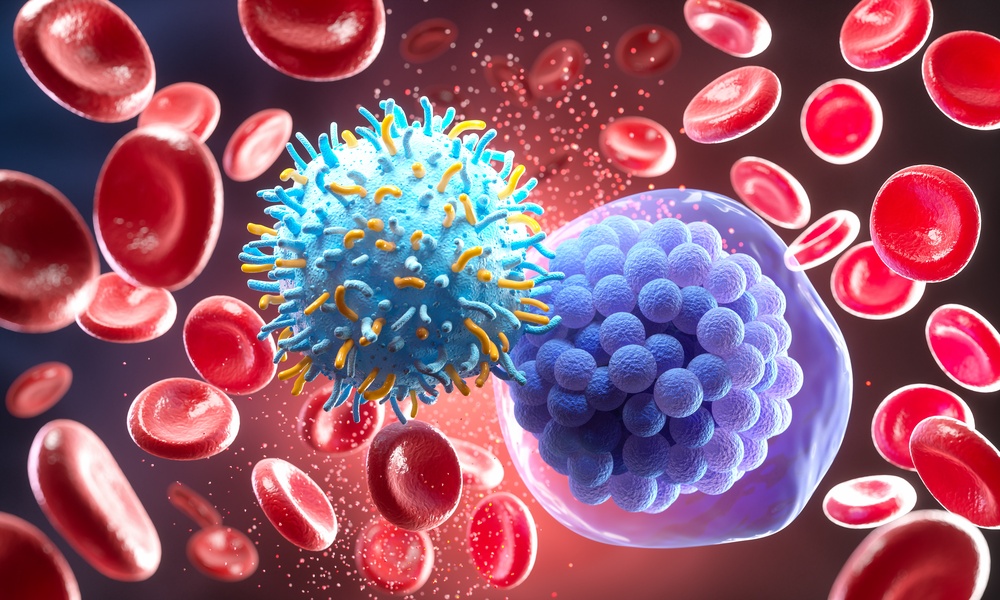
The research team also achieved several important clinical milestones during the trial. They successfully established a reliable manufacturing process for the engineered immune cells, identified the highest dose patients could safely receive, and developed an early safety profile that will guide future studies. Those accomplishments are essential steps before larger clinical trials can begin.
Perhaps just as important, researchers reported that the treatment maintained a favorable quality-of-life profile throughout the study. Many conventional cancer treatments produce severe side effects because they also damage healthy cells. CAR T-cell therapy, by contrast, is designed to attack cancer more selectively, raising hopes that children may eventually receive effective treatment with fewer long-term complications.
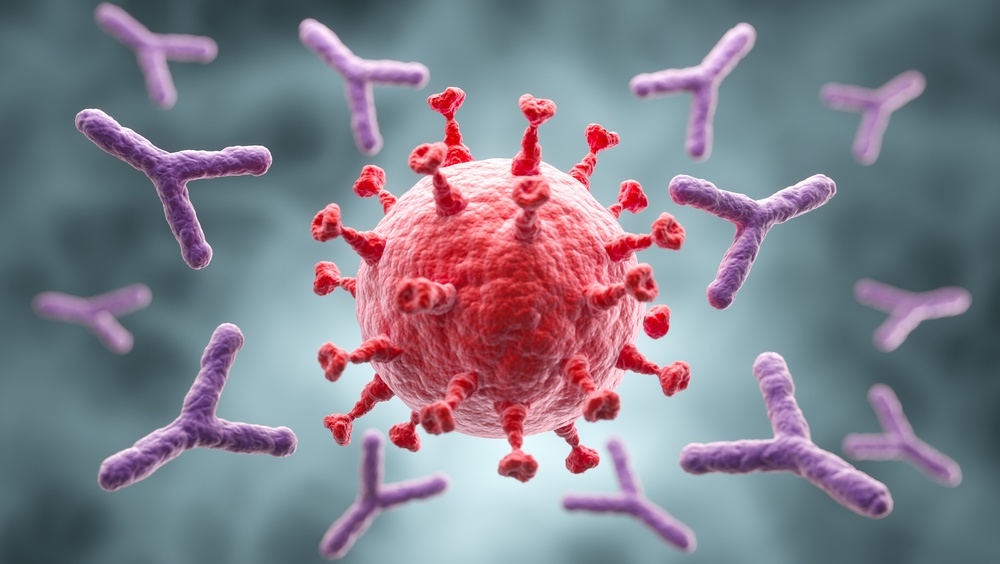
The encouraging findings have attracted attention well beyond Children’s National Hospital. David Scott, director of Cancer Grand Challenges, which helped fund the research, said children with aggressive cancers have waited far too long for treatments specifically designed for their disease rather than adapted from adult cancer therapies.
He noted that pediatric cancers remain one of the biggest unmet challenges in oncology because treatment options are limited and existing therapies often leave children with severe long-term side effects. “Pediatric tumors are one of the greatest challenges in cancer research, with children still facing extremely limited treatment options, and existing treatments often causing severe side effects,” Scott said.
One of the reasons researchers are optimistic is that CAR T-cell therapy is often described as “living medicine.” Unlike chemotherapy, which leaves the body once treatment ends, engineered T-cells can continue circulating in the bloodstream, potentially recognizing and destroying cancer cells if they return. That long-lasting immune surveillance could make durable remission possible for some patients.
Scientists stress that the treatment is still experimental, and much more research is needed before it becomes a standard option. However, demonstrating that the therapy can be delivered safely while generating meaningful anti-tumor responses represents a significant achievement in a field where progress has often been slow.
Although the science behind CAR T-cell therapy is highly advanced, the treatment follows a carefully planned process that begins with the patient’s own immune system.
Doctors first collect T-cells from the patient’s blood through a specialized procedure. These cells are then transported to a manufacturing laboratory, where scientists use a disabled virus to insert new genetic instructions that teach the cells how to recognize cancer proteins.
After the genetic modification is complete, the engineered cells are grown until millions or even billions are available for treatment. Quality testing ensures the cells are functioning properly before they are shipped back to the hospital.
The final step is surprisingly straightforward. The CAR T-cells are infused into the patient through an intravenous line, a procedure that generally takes less than an hour. Once inside the body, the modified immune cells begin searching for cancer cells carrying the proteins they were designed to detect.
Researchers believe this therapy offers several potential benefits over conventional treatments:
The Phase 1 study answered several important questions, but researchers emphasize that it was designed primarily to evaluate safety rather than prove effectiveness. Before the therapy can receive regulatory approval, much larger studies will need to confirm that the promising early responses can be repeated across a broader group of patients.
The research team is now preparing for a Phase 2 clinical trial, which will involve more children and provide a clearer picture of how well the treatment works. That study will also continue monitoring safety while helping researchers refine dosing and identify which patients are most likely to benefit.
If future trials produce similarly encouraging results, the therapy could move closer to FDA review and eventually become available to children facing some of the most aggressive brain cancers. While that process will take time, every successful stage brings researchers one step nearer to offering families a new treatment option.
Progress in pediatric cancer research rarely comes through a single dramatic breakthrough. It is built through carefully tested advances that gradually improve survival and quality of life. For children diagnosed with these devastating brain tumors, this experimental therapy has provided something many families have desperately needed for years: a genuine reason to believe better treatments may finally be on the horizon.

Cardiac Diet: Proven Heart Healthy Foods to Include in Your Diet












Cardiac Diet: Proven Heart Healthy Foods to Include in Your Diet