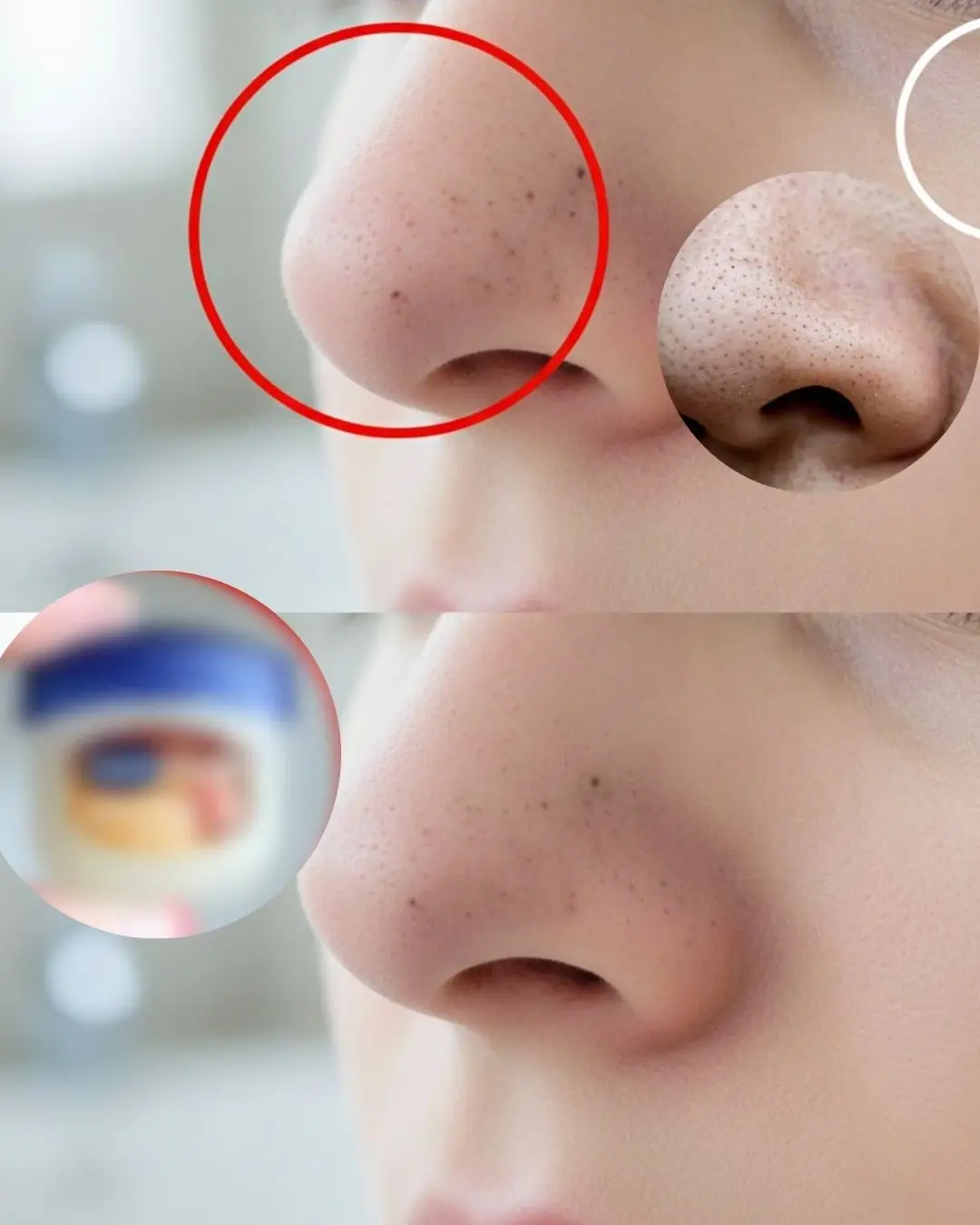
Remove Blackheads On Your Nose
Health 13/12/2025 08:41
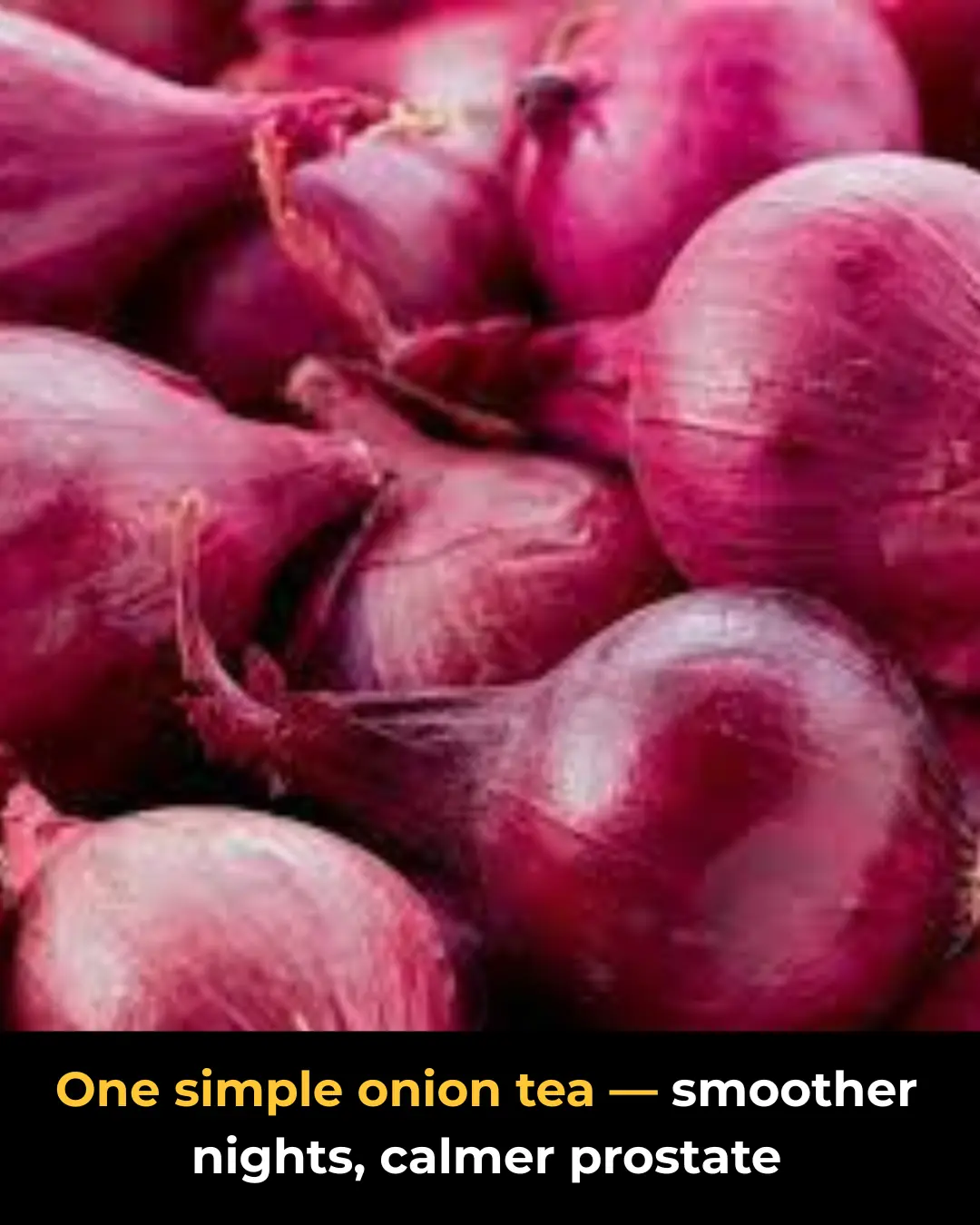
If you’ve ever dealt with thinning hair or patchy bald spots, you may have heard about using onion juice as a natural hair-growth remedy. While it sounds like an old folk trick, modern research shows that onion juice can genuinely help in certain cases—especially when hair loss is caused by inflammation or autoimmune conditions.
It’s not a miracle cure for male- or female-pattern baldness, but for many people, it can strengthen hair, reduce shedding, and support visible regrowth.
The secret? Onion’s high sulfur content and powerful antioxidant quercetin, both of which help nourish hair follicles and improve scalp circulation.
The strongest clinical evidence for onion juice comes from studies on Alopecia Areata, an autoimmune disorder that creates circular bald patches.
A well-known clinical study reported:
87% of participants applying raw onion juice twice daily showed visible regrowth in 6 weeks.
Only 13% of the control group (who used plain tap water) saw any improvement.
This makes onion juice one of the most promising natural remedies for patchy hair loss.
✔ Sulfur & Keratin Production
Hair is made of keratin, a protein rich in sulfur. Onion juice delivers bioavailable sulfur directly to the follicles, helping:
Strengthen the hair shaft
Extend the growth (anagen) phase
Encourage thicker, more resilient strands
✔ Boosts Blood Circulation
Quercetin, a potent antioxidant, may improve blood flow to weakened follicles.
✔ Reduces Oxidative Stress
By calming inflammation, quercetin helps protect hair roots from damage that leads to thinning.
Using fresh juice gives the best results. For sensitive scalps, gentle dilution helps prevent irritation.
2–3 medium onions (red onions contain more antioxidants)
Optional: aloe vera gel or a little water for dilution
Peel & Chop the onions into small pieces.
Blend or puree them into a coarse paste.
Strain through a fine sieve or cheesecloth to collect the juice.
Dilute (optional):
Mix 1:1 with aloe vera gel or a light carrier oil for sensitive skin.
Apply the juice directly to the scalp using a cotton pad or dropper.
Massage gently for 5 minutes.
Leave on for 30–60 minutes.
Rinse thoroughly with a mild shampoo.
Optional: Finish with an ACV rinse (1 part apple cider vinegar + 4 parts water) to neutralize the smell.
Science suggests 2–3 applications per week for noticeable improvement. Consistency is more important than large amounts.
Apply a small amount behind the ear or on the inner arm first to check for sensitivity.
Works best for Alopecia Areata or inflammatory hair loss.
For genetic baldness, onion juice is supportive—not a replacement for medical treatments like minoxidil or finasteride.
Onion juice is a safe, natural option for supporting hair strength and reducing shedding.
Its sulfur and antioxidant content helps nourish follicles and improve scalp health.
Best results come with fresh juice, consistent use, and realistic expectations.
If you’re dealing with patchy thinning or simply want healthier, stronger strands, onion juice can be a gentle, science-backed addition to your haircare routine.