Support Healthy Arteries Naturally: Foods That May Help Keep Blood Flowing Smoothly

Your Daily Food Choices Can Make a Difference for Heart Health
Heart disease remains one of the leading health concerns worldwide, and many cardiovascular problems begin gradually with changes inside the arteries.
Over time, cholesterol, fats, and other substances can build up along artery walls, making it more difficult for blood to flow efficiently. This process, known as plaque buildup, may increase the risk of heart attack, stroke, and other circulatory conditions.
While medications such as aspirin are prescribed in certain situations under medical supervision, nutrition and healthy lifestyle habits also play an important role in supporting cardiovascular wellness. Many nutrient-rich foods contain compounds that may help maintain healthy blood vessels and promote normal circulation as part of an overall healthy lifestyle.
Let's explore some of the best science-supported foods that can help support healthy arteries naturally.
❤️ Why Healthy Arteries Matter
Think of your arteries as highways that deliver oxygen and nutrients throughout your body.
When they remain flexible and open, blood can circulate efficiently to your:
- Heart
- Brain
- Muscles
- Kidneys
- Every major organ
When plaque gradually accumulates, circulation may become less efficient, increasing the likelihood of conditions such as:
- High blood pressure
- Chest discomfort
- Reduced exercise tolerance
- Increased cardiovascular risk
Fortunately, everyday habits—including what you eat—can help support long-term arterial health.
🥬 1. Leafy Green Vegetables
Dark leafy greens are among the most heart-friendly foods you can eat.
Excellent choices include:
- Spinach
- Kale
- Arugula
- Swiss chard
- Collard greens
These vegetables naturally contain dietary nitrates, which the body converts into nitric oxide.
Nitric oxide helps support:
- Healthy blood vessel function
- Normal blood flow
- Healthy blood pressure already within the normal range
They are also rich in:
- Vitamin K
- Folate
- Potassium
- Antioxidants
- Fiber
Adding a serving of leafy greens to lunch or dinner is a simple habit that benefits your entire cardiovascular system.
🐟 2. Fatty Fish
Fatty fish are one of the richest natural sources of omega-3 fatty acids.
Good options include:
- Salmon
- Sardines
- Mackerel
- Herring
- Trout
Omega-3 fats have been widely studied for their role in supporting:
- Healthy triglyceride levels
- Normal inflammatory responses
- Healthy blood vessel function
- Overall heart health
Experts generally recommend eating fatty fish two to three times per week.
🧄 3. Garlic
Garlic has been valued in traditional diets for centuries.
Modern research suggests that garlic contains sulfur compounds, including allicin, which may help support cardiovascular health when included regularly as part of a balanced diet.
Potential benefits include supporting:
- Healthy circulation
- Normal cholesterol levels already within a healthy range
- Healthy blood vessel function
For maximum flavor and potential benefits, crush fresh garlic and allow it to rest for several minutes before cooking.
🌿 4. Turmeric
Turmeric is well known for its bright golden color and its naturally occurring compound, curcumin.
Curcumin has been studied for its antioxidant and anti-inflammatory properties, which may help support healthy blood vessels.
Turmeric pairs well with:
- Soups
- Rice dishes
- Vegetables
- Smoothies
- Herbal teas
Adding a small pinch of black pepper may improve curcumin absorption.
🫐 5. Berries
Colorful berries are packed with plant compounds called anthocyanins.
Healthy choices include:
- Blueberries
- Strawberries
- Blackberries
- Raspberries
These fruits provide:
- Antioxidants
- Vitamin C
- Fiber
- Polyphenols
Regular berry consumption has been associated with better cardiovascular health and may help support normal blood vessel function.
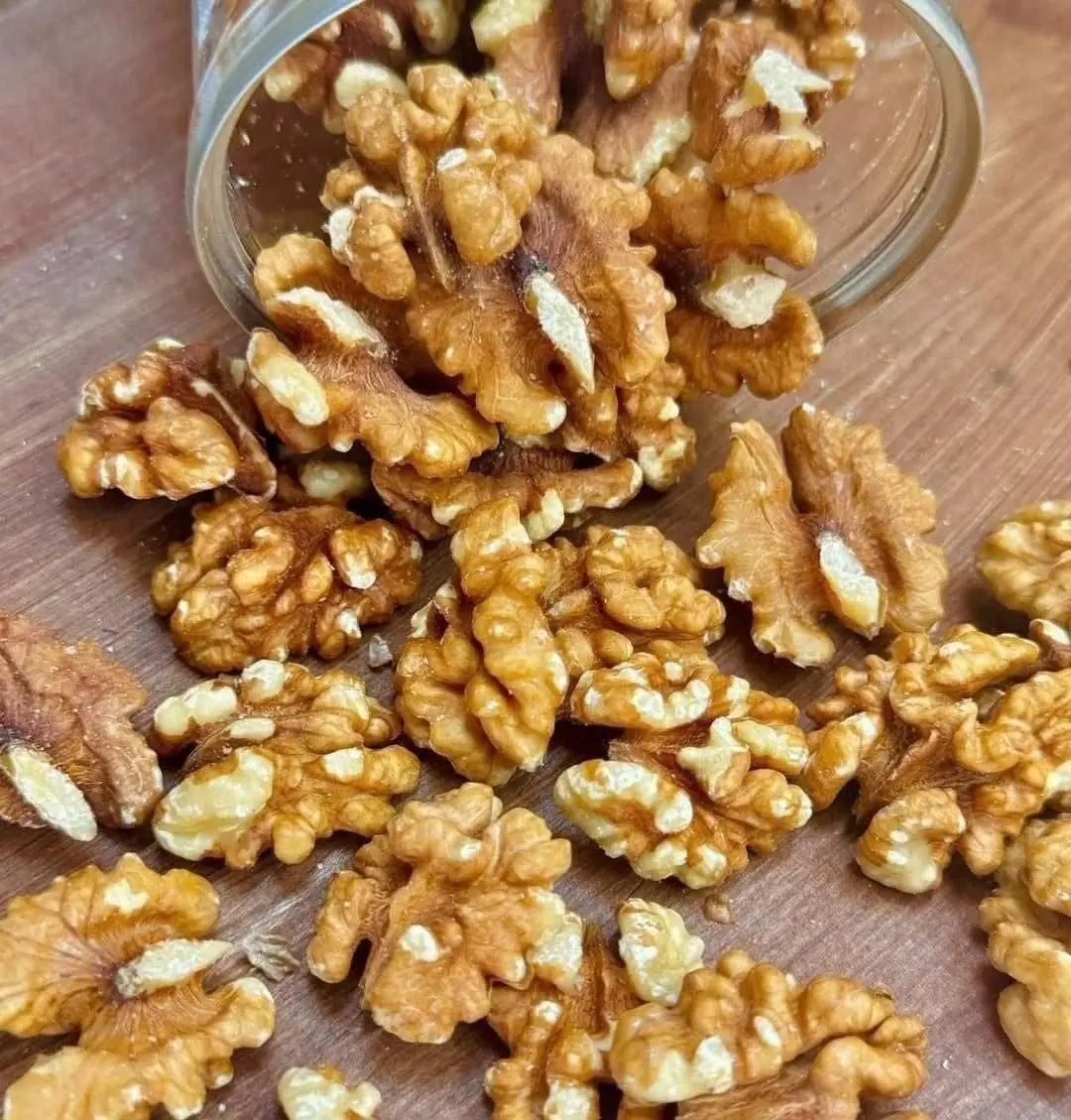
🥜 6. Nuts and Seeds
Small but nutrient-dense, nuts and seeds provide heart-friendly fats and important minerals.
Great options include:
- Almonds
- Walnuts
- Flaxseeds
- Chia seeds
- Pumpkin seeds
They contain:
- Healthy unsaturated fats
- Magnesium
- Plant protein
- Fiber
- Vitamin E
Enjoy a small handful as a snack or sprinkle seeds over yogurt, oatmeal, or salads.
🍵 7. Green Tea
Green tea has long been appreciated in many cultures for its wellness benefits.
It contains natural compounds called catechins, which have been studied for their potential role in supporting:
- Healthy cholesterol levels
- Blood vessel function
- Antioxidant protection
Replacing one sugary beverage each day with green tea may be a simple step toward better heart health.
❤️ Can These Foods Replace Aspirin?
This is an important distinction.
Aspirin is a medication that healthcare providers may prescribe for certain individuals to help reduce blood clot formation. It also carries potential risks, including stomach irritation and bleeding, and is not appropriate for everyone.
While the foods above contain nutrients that support cardiovascular health, they are not substitutes for prescribed medications and should not be viewed as replacements for aspirin or other treatments recommended by your healthcare provider.
News in the same category


6 Seeds Often Called the “Enemies” of Cellular Stress: Small Foods That May Support Everyday Wellness 🌱✨

🥥🧄🌱 Coconut Water, Garlic & Ginger Blend: A Traditional Tonic to Support Everyday Vitality (Enjoy in Moderation)

Castor Oil: 25 Practical Uses, How to Use It Safely, and What You Should Know

Avoid Ginger? 5 Health Conditions Older Adults Should Not Ignore

Natural Overnight Face Mask: A Simple Way to Support Soft, Radiant Skin While You Sleep

🌿🍋 Baby Oil with Clove & Lemon: A Gentle DIY Skin Care Blend for Softer, Smoother, and More Radiant-Looking Skin ✨💛

Aloe Vera and Cinnamon May Support a Hidden Renewal for Eye Wellness Most People Overlook

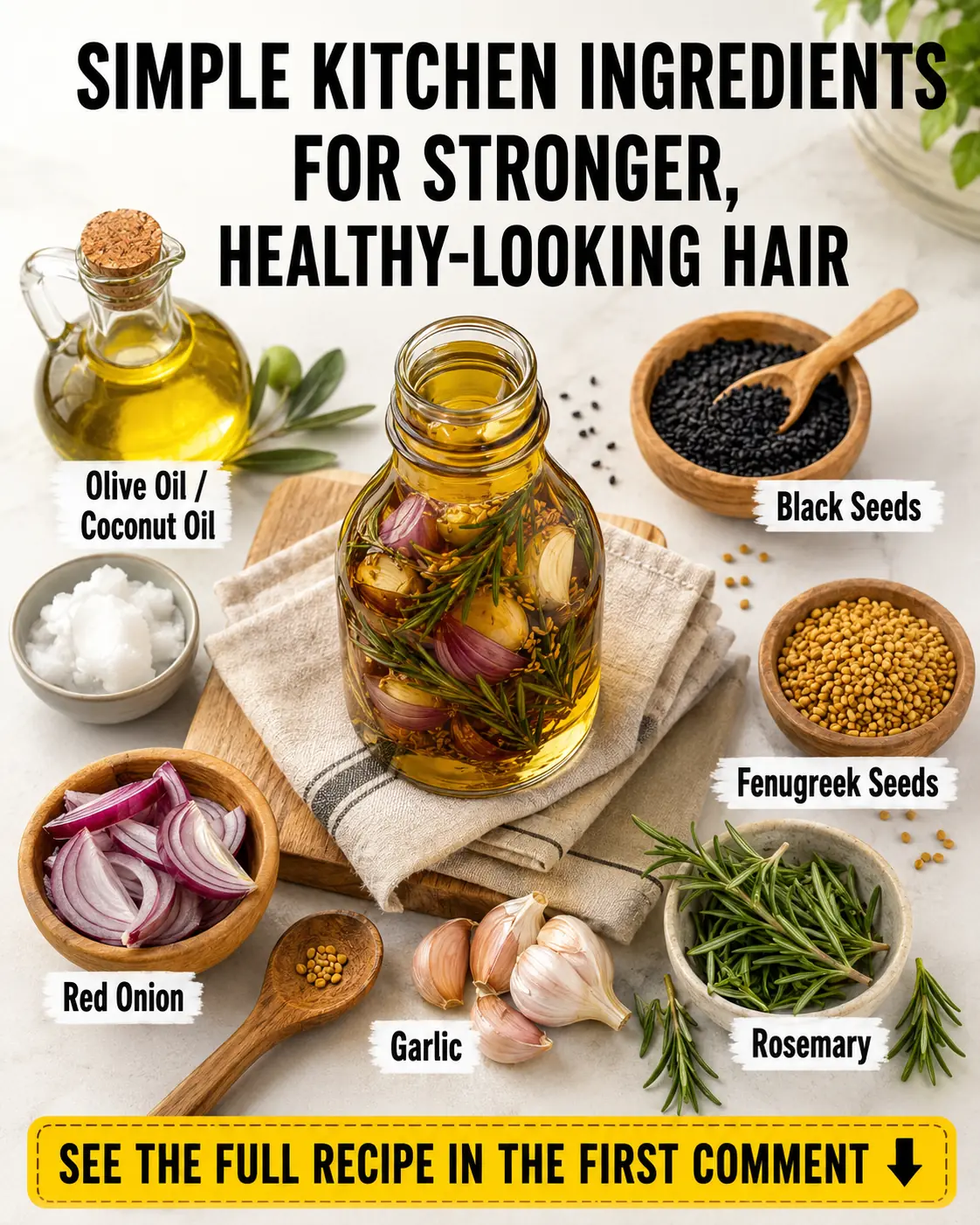
Unlock Beautiful Hair: The Hidden Kitchen Ingredients for Healthier Hair Growth You’ll Wish You Knew Sooner

Three Traditional Leaves for Everyday Wellness: A Simple Herbal Infusion to Support Metabolic and Cardiovascular Health

The Health Benefits and Uses of Broadleaf Plantain (Plantago major)

🌿✨ Onion Hair Oil: A Traditional Scalp Care Ritual for Healthier-Looking Hair

Guava Leaf Tea: Benefits, Traditional Uses, and a Simple Herbal Recipe

Tip Layering: One of the Easiest Ways to Propagate Plants at Home

What Happens to Your Body If You Drink Plantago lanceolata Every Day?

How to Remove a Tree Stump: 4 Alternative Methods

Red Clover (Trifolium pratense): A Natural Ally for Women’s Hormonal Balance

🧅 Onion Oil for Hair: A Traditional Natural Remedy for Stronger, Healthier-Looking Hair 🌿✨

Natural Remedies for Warts: How to Use Banana Peel and Other Traditional Ingredients
News Post

Persistent Itching at Night Led One Woman to a Devastating Diagnosis: The Symptoms She Almost Ignored

4 proteins you should eat and 6 you should never touch

Clove Steam Inhalation: A Traditional Home Remedy That May Help Ease Sinus Discomfort

The Best Vegetables to Naturally Support Collagen for Healthy Knees and Joints

Japanese Anti-Wrinkle Rice Gel: Zero Wrinkles, Glass Skin

Scientists May Have Actually Found One Of The Causes Of Autism

Clove Lemon Baby Oil Collagen Gel: Erase Wrinkles & Dark Spots

Who knew? Overripe bananas generate a compound that could kill cancer cells.

Clove Chia Lemon Collagen Drink: Erase Wrinkles & Age Spots Naturally

The Surprising Power of Shoe Horns in Our Daily Lives

Woman Suffers Sudden Kidney Failure After a Meal — Doctor Warns

If You See a Plastic Bottle on Your Tire, This Is What It Might Mean

Black Hair Serum for Long, Dark, Strong Hair

This is the plant that keeps patients away from ophthalmologists, as millions of people who wore glasses and suffered from cataracts are improving their vision

The Hidden Causes of Hip Pain That Doctors Want You to Know

7 early symptoms that could happen before a heart attack strikes

Doctors Reveal That Eating Walnuts Causes Remarkable Health Benefits

Early Detection Matters: 8 Symptoms That May Signal Can.cer in Older Adults

The "Monster" Under the Bed: How a Dusty Pistachio Shell Taught Me About Fear, Laughter, and the Human Brain