Tradescantia zebrina: The Colorful Healer Hidden in Plain Sight

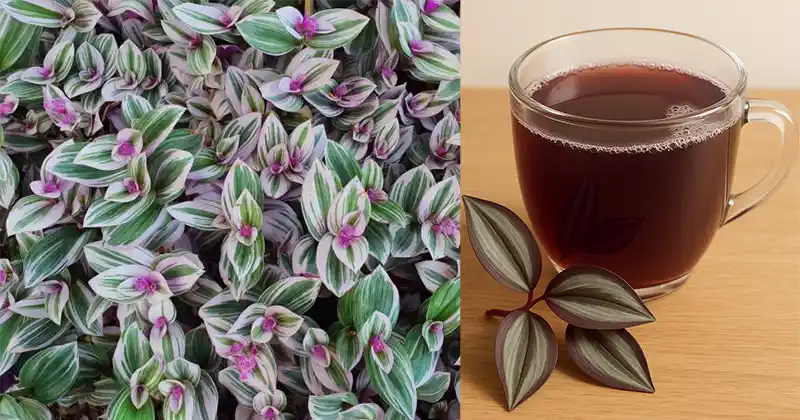
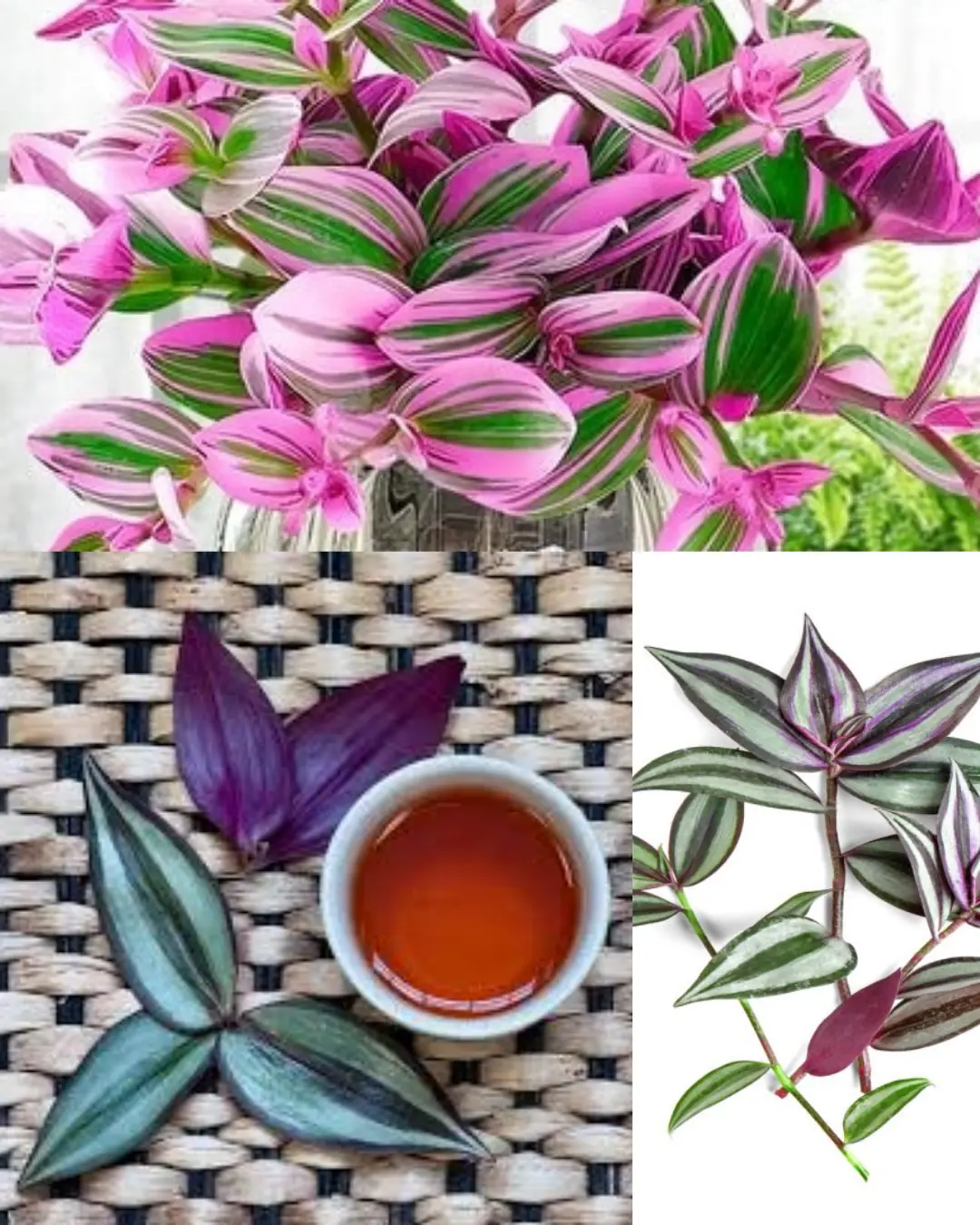
Tradescantia zebrina—better known as the inch plant or zebra wandering plant—is one of the world’s most striking ornamentals. With its metallic purple, green, and silver-striped leaves, it brings instant color to any room. But beyond its beauty, this fast-growing plant carries a long history of traditional uses and impressive environmental benefits that most people never hear about.
🌱 A Hardy Plant That Thrives Almost Anywhere
Native to Central and South America, Tradescantia zebrina naturally adapts to warm, humid climates. Indoors, it grows quickly with minimal care and roots effortlessly from simple stem cuttings—one reason it’s now one of the most widely kept Tradescantia species across the U.S.
🌿 Traditional Benefits and Folk Uses
Although primarily ornamental today, many cultures have used this plant in natural remedies. Traditional uses include:
-
Anti-inflammatory effects – Crushed leaves used to calm minor skin irritation.
-
Antibacterial action – Folk preparations applied to small cuts or wounds.
-
Antioxidant support – Purple pigments (anthocyanins) believed to fight oxidative stress.
-
Mild wound healing – Sap sometimes applied to insect bites or tiny scrapes.
-
Respiratory comfort – Light infusions used traditionally for sore throats or mild coughs.
-
Cooling sensation – Fresh leaves used topically during hot weather.
-
Mood enhancement – Vibrant color and fast growth help brighten indoor spaces.
-
Air purification – Like many houseplants, it absorbs airborne toxins.
🌸 How People Commonly Use It
Today, Tradescantia zebrina is appreciated in several practical ways:
-
Indoor air freshening – Aesthetic + purifying.
-
Garden ground cover – Creates lush purple carpets in warm climates.
-
Natural remedy paste – For minor external skin support.
-
Mild herbal infusions – Traditionally used, though should only be consumed with guidance.
-
Compost enrichment – Fast-growing foliage breaks down into nutrient-rich organic matter.
🌞 How to Grow Tradescantia Zebrina Successfully
Light: Bright, indirect light keeps the stripes vivid.
Water: Moist but not waterlogged soil; let the top layer dry slightly.
Temperature: Best between 18–25°C (65–77°F).
Propagation: Stem cuttings root in water or soil within days.
Perfect for beginners—low effort, high reward.
🌿 A Symbol of Simple, Quiet Power
Beautiful yet hardy, decorative yet healing, Tradescantia zebrina is a reminder of nature’s duality. Whether used for wellness traditions, home design, or simply as a mood-lifting companion, it proves that even the most common plants can hold surprising potential.
⚠️ Disclaimer
Traditional uses of Tradescantia zebrina are not fully validated by modern clinical research. Some individuals may experience mild skin irritation from the sap. Avoid internal consumption unless guided by a qualified herbalist or healthcare professional.
News in the same category


DIY Beauty Ice cubes to Remove Dark Spots & Hyper pigmentation – Potato ice cubes & Papaya ice cubes

Fenugreek seeds for Hair Growth – Fenugreek Hair Rinse & it’s Benefits for Hair

Herbs You’re Using Wrong: Science-Backed Ways to Get the Most From Natural Remedies

Eating to Rebalance: 12 Foods That Fix Common but Overlooked Deficiencies

Discover the Benefits: Corn Silk Tea for Health and Wellness

Pokeweed (Phytolacca americana): Why You Should Keep Your Distance from These Toxic Plants

The Hidden Power of Common Lantana (Lantana camara): What You Can Safely Do with It at Home

11 Little-Known Secrets of Purslane: A Wonder Plant in Disguise

Here are 7 incredible things that happen when you burn a bay leaf at home

Tradescantia zebrina: The Colorful Healer Hidden in Plain Sight

Black Locust (Robinia pseudoacacia): 14 Surprising Benefits and How to Use It at Home

Papaya Seeds for Gut Health: The Simple Secret Inside Your Fruit

12 Benefits of Bull Thistle Root and How to Use It Naturally

The Hidden Power of Mullein Roots: Benefits and Uses

The Power of Black Garlic: Nature’s Aged Superfood

The One Kitchen Ingredient That Makes Bedbugs, Mosquitoes, Cockroaches, Ants & Silverfish Disappear Like They Never Existed – And It Costs Less Than a Cup of Coffee

Doctors Reveal What Eating Peanuts Can Really Do to Your Body
News Post

How to Make a Simple DIY Water Filter in an Emergency

Mullein: The Wild Plant That Clears Your Lungs Naturally

The Hidden Power of Xanthium strumarium (Cocklebur)

25 Remarkable Benefits of Guava Leaves and How to Use Them Safely

Study Finds This Popular Sweetener Damages the Brain’s Protective Barrier

Study Finds a Mother’s Early Bond With Her Baby Can Shape a Child’s Sleep for Years

Gramma the Tortoise: A Remarkable Life Spanning Three Centuries

California Surpasses Japan to Become the Fourth-Largest Economy in the World

Why Aging Skin Develops a Distinct Body Odor—and What Science Says Can Help

Photographer Captures Dream Shot of Full Moon Over Christ the Redeemer After Three Years of Effort

China Successfully Tests 3D-Printed Micro Turbojet Engine in Landmark Flight Achievement

Swiss Researchers Trial Blood Filtration Device for Alzheimer's Treatment

Bear Takes Over Truckee Diner in Hilarious Culinary Heist

Many people believe they need to walk ten thousand steps daily to stay healthy

The Quieting Skies: A Stark Decline in North America's Bird Population

Does This Drink Really Harm Your Bones? The Truth Behind Soda and Your Health

Oregano: The Small Plant with Big Health Benefits

Sea Otter Takes Over Santa Cruz Surf Scene: A Bold and Unpredictable Presence

Australia's Revolutionary Bionic Eye: A New Era in Restoring Vision