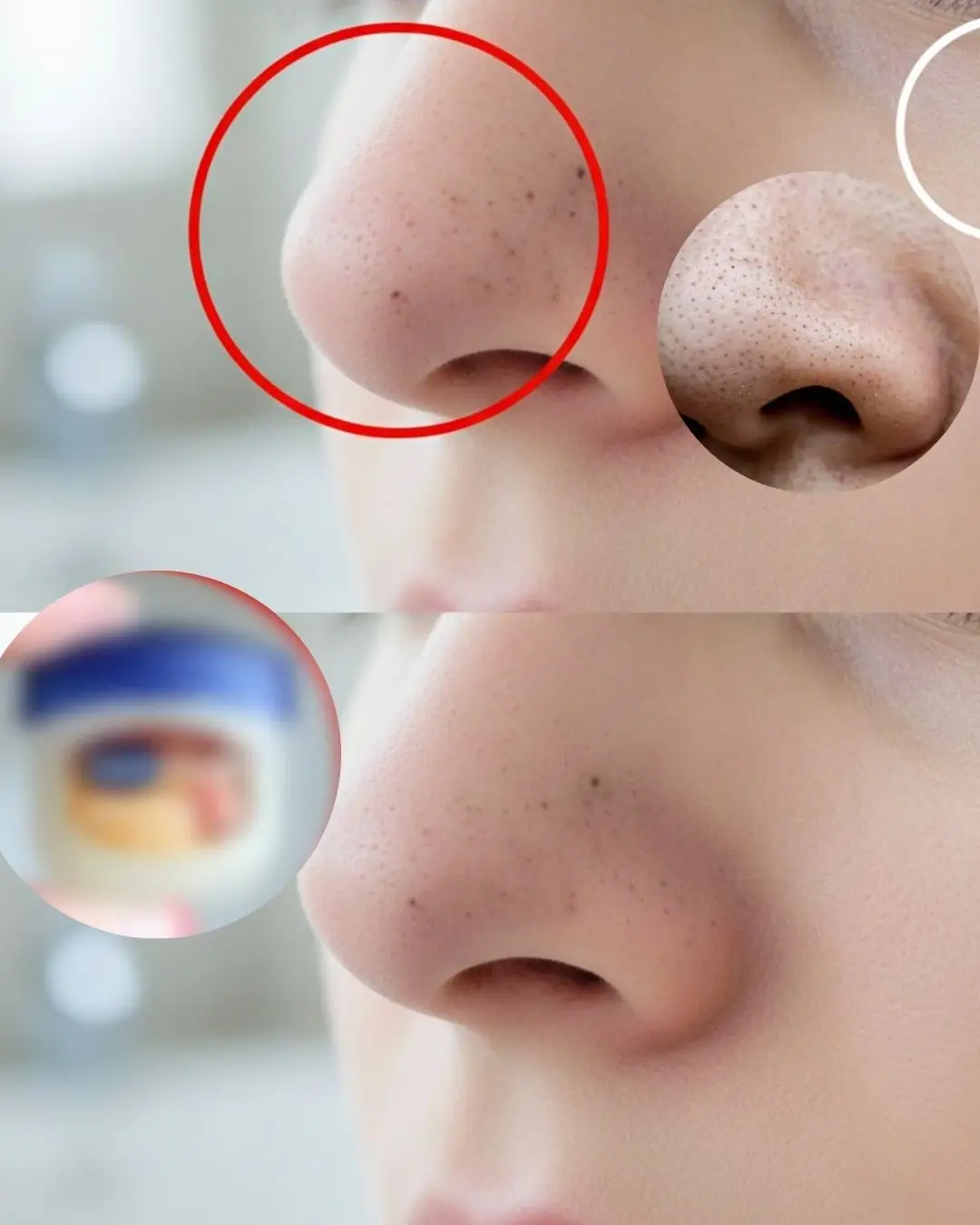
Remove Blackheads On Your Nose
Health 13/12/2025 08:41
Phlegm—often casually referred to as mucus—is something most people only pay attention to when they’re sick, congested, or dealing with allergies. Yet, mucus actually performs essential protective duties in your respiratory system every single day. It traps dust, allergens, viruses, and bacteria before they reach your lungs, acting as a natural barrier. Under normal circumstances, the body produces about 1 to 1.5 liters of mucus daily, most of which is swallowed unconsciously (Cleveland Clinic, 2022).
However, various conditions can make mucus thicker, more abundant, or harder to clear. When this happens, breathing can feel uncomfortable, and the throat may feel constantly coated or irritated. Understanding why mucus builds up—and knowing how to reduce it—can significantly improve your daily comfort and respiratory health.
Phlegm is a gel-like substance produced by mucous membranes in the throat, nasal passages, and lungs. It contains:
Water (primary component)
Mucins, proteins responsible for its sticky, elastic texture
Immune cells, such as neutrophils
Antibodies like IgA
Trapped particles, including dust, pathogens, allergens, and pollution
Mucus acts as the body’s first line of defense. It moisturizes the airways, traps harmful invaders, and allows cilia—tiny hair-like structures in the respiratory tract—to sweep the mucus upward toward the throat. From there, it is either swallowed or expelled, depending on your body’s reflexes.
When this natural system becomes overwhelmed or irritated, phlegm becomes more noticeable and more difficult to clear.
Several factors can increase mucus production or cause it to thicken, making it harder for the body to expel efficiently.
Colds, flu, bronchitis, and sinus infections activate the immune system, prompting increased mucus production to help flush out viruses or bacteria. Viral infections often produce clear or white mucus, while bacterial infections may result in yellow or green mucus due to immune cell activity (Mayo Clinic, 2023). Persistent infections may cause mucus to pool in the airways, leading to coughing or chest tightness.
Allergens such as pollen, dust mites, and pet dander trigger histamine release, causing swelling in the nasal passages and stimulating mucus production. During allergy season, many people experience both nasal and chest congestion due to constant irritation.
Cigarette smoke irritates the airways, thickens mucus, and paralyzes the cilia—making it extremely difficult for lungs to clear phlegm naturally. This contributes to the well-known “smoker’s cough,” which is often worse in the morning when mucus has accumulated overnight.
Perfumes, cleaning chemicals, smog, and other environmental irritants can inflame the respiratory lining. Mucus production increases as a protective reaction, often leading to throat clearing, coughing, and congestion.
Acid reflux can irritate the throat, causing chronic throat clearing, cough, and the sensation of “postnasal drip” even when the nose is clear.
Low humidity, especially in air-conditioned or heated indoor environments, dries out the airway tissues. The body compensates by producing thicker mucus, which often becomes sticky and difficult to clear.
Asthma, COPD, and chronic sinusitis all contribute to long-term mucus overproduction. These conditions often require proper diagnosis and ongoing medical management to control symptoms effectively.
Before resorting to medication, many people find relief through simple home remedies that support the body’s natural ability to clear mucus.
Drinking plenty of water, herbal teas, or warm broths helps thin mucus so it can move more easily through the airways.
How it works:
Hydration improves mucus flow along the cilia, aiding natural clearance (American Lung Association, 2022).
Best choices: warm water, chamomile tea, ginger tea, broth
Avoid: excessive caffeine and high-sugar drinks, which can worsen dehydration
Salt water soothes irritated throat tissues and draws out excess fluid through osmosis.
How to do it:
Mix ½ teaspoon of salt into a glass of warm water and gargle 2–3 times daily.
Scientific note:
Studies show saltwater gargling can reduce swelling and temporarily neutralize bacteria (Journal of Clinical Medicine, 2020).
Warm, moist air loosens mucus, making it easier to expel.
Benefits:
Steam increases airway moisture, reduces mucus thickness, and relieves nasal or chest congestion.
Optional: add eucalyptus or peppermint oil
Limit inhalation to 10 minutes to avoid burns
A warm cloth on the chest or throat promotes blood flow and helps loosen stubborn mucus.
Why it works:
Heat softens secretions and relaxes the surrounding muscles, easing natural drainage.
Honey has antibacterial and anti-inflammatory effects, while lemon’s acidity and vitamin C content help break down mucus.
Research:
Honey has been shown to reduce coughing and soothe irritated throat tissues (BMJ Evidence-Based Medicine, 2018).
How to use:
Mix 1 tablespoon of honey with warm water or tea and a squeeze of lemon.
Increasing humidity prevents the airways from drying out, which helps reduce thick or sticky mucus.
Tip: Maintain indoor humidity at 40–50%. Levels that are too high can promote mold growth.
Important: Clean the humidifier daily to prevent bacterial or mineral buildup.
Nasal rinses remove irritants, allergens, and excess mucus.
Evidence:
Studies show nasal irrigation helps improve sinus drainage and reduce chronic sinusitis symptoms (International Forum of Allergy & Rhinology, 2017).
Use sterile or distilled water
Use once or twice daily during heavy congestion
To reduce inflammation and give your respiratory system a chance to recover, avoid:
Cigarette smoke
Strong fragrances
Air pollution
Household chemical fumes
Even brief exposure to irritants can trigger mucus overproduction in sensitive individuals.
To minimize mucus buildup, try to avoid or limit:
One of the strongest contributors to chronic mucus production and long-term respiratory disease.
While dairy doesn’t directly increase mucus production, it may make mucus feel thicker due to its creamy texture (Harvard Health, 2022).
High sugar intake can promote inflammation and may worsen throat irritation.
Decongestant sprays can cause rebound congestion if used longer than recommended.
Coughing is the body’s natural mechanism for clearing mucus. Unless advised by a doctor, don’t suppress it unnecessarily.
Seek medical attention if you experience:
Mucus lasting more than 3 weeks
Mucus that becomes yellow, green, or bloody
Fever, chest pain, or difficulty breathing
Worsening symptoms despite home care
In some cases, chronic phlegm signals a more serious underlying condition that requires medical evaluation and treatment.
Phlegm is a natural part of your body’s defense system, helping trap and clear unwanted particles from the respiratory tract. However, when mucus becomes excessive, thick, or persistent, it can interfere with breathing and daily comfort. By staying hydrated, using steam, applying warm compresses, trying honey and lemon, and avoiding irritants, you can support your body’s natural ability to clear mucus and maintain healthier airways.
Understanding your triggers—and recognizing when symptoms require medical attention—will help you manage phlegm more effectively and maintain long-term respiratory health.
Disclaimer: This content is for informational purposes only and should not replace professional medical advice. Consult with a healthcare provider regarding your health concerns or symptoms.