Inflammation Is On Your Plate: 20 Foods That Harm Your Body And 20 That Heal
Health 15/12/2025 21:02
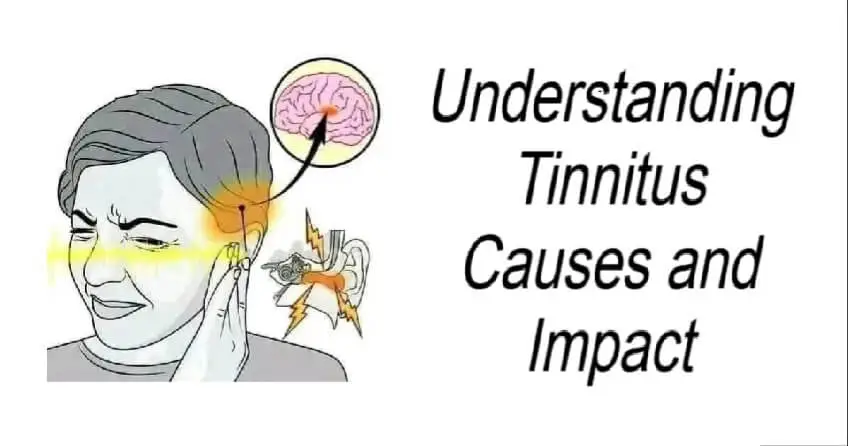
Tinnitus is not a disease on its own—it is a symptom that signals something else may be going on in the body. It is commonly experienced as a persistent sound such as ringing, buzzing, hissing, clicking, or humming that occurs without any external noise source. For some people, it is mild and occasional, while for others it can be constant, intrusive, and emotionally exhausting.
Because tinnitus originates from multiple possible causes, understanding why it occurs is the first and most important step toward managing it effectively.
The ear is a highly complex organ made up of three main parts:
Outer ear – Includes the visible ear (auricle) and the ear canal, which funnel sound inward
Middle ear – Contains the eardrum and tiny bones called ossicles that amplify sound vibrations
Inner ear – Houses the cochlea and auditory nerve, which convert sound into electrical signals for the brain
Damage to the middle or inner ear is one of the most common contributors to tinnitus. When the delicate structures responsible for transmitting or interpreting sound are impaired, the brain may compensate by creating phantom noise.
In some cases, disorders of the ossicles interfere with sound transmission. In others, problems affecting the auditory nerve—such as inflammation or even rare tumor growths—can place pressure on the nerve and result in persistent ringing or buzzing sensations.
Chronic exposure to loud sounds is a major risk factor for tinnitus. Over time, excessive noise damages the tiny hair cells in the inner ear that are essential for hearing. Once these cells are damaged, they do not regenerate, and tinnitus may develop as a result.
High-risk groups include:
Workers using heavy machinery or power tools (such as construction or factory workers)
Musicians, DJs, and frequent concert attendees
Individuals who regularly listen to loud music through headphones or earbuds
Even short bursts of extremely loud noise, such as explosions or gunfire, can trigger tinnitus instantly. Protecting your hearing early can significantly reduce long-term risk.
Certain medications are known to cause or worsen tinnitus, especially when taken in high doses or for extended periods. This effect is sometimes reversible, but not always.
Medications associated with tinnitus may include:
Some antibiotics
High-dose aspirin and other salicylates
Certain diuretics
Some antidepressants and chemotherapy drugs
If tinnitus begins shortly after starting a new medication, it’s important to speak with a healthcare provider rather than stopping the medication abruptly on your own.
The temporomandibular joint (TMJ) connects your jaw to your skull and sits very close to the ear structures. Problems with this joint—such as misalignment, chronic jaw tension, teeth grinding (bruxism), or inflammation—can contribute to tinnitus.
TMJ-related tinnitus is often accompanied by:
Jaw pain or stiffness
Clicking or popping sounds when opening the mouth
Headaches or facial discomfort
Addressing jaw alignment and muscle tension can sometimes reduce or eliminate tinnitus symptoms linked to TMJ dysfunction.
Tinnitus can stem from a wide range of physical, environmental, and medical factors, and no two cases are exactly alike. Because it is a symptom rather than a standalone condition, identifying the underlying cause is key to finding relief.
If tinnitus is persistent, worsening, or interfering with daily life, seeking professional medical advice is essential. Early evaluation can help rule out serious causes, guide appropriate treatment, and improve long-term outcomes. With the right approach, many people find effective ways to manage tinnitus and regain a better quality of life.