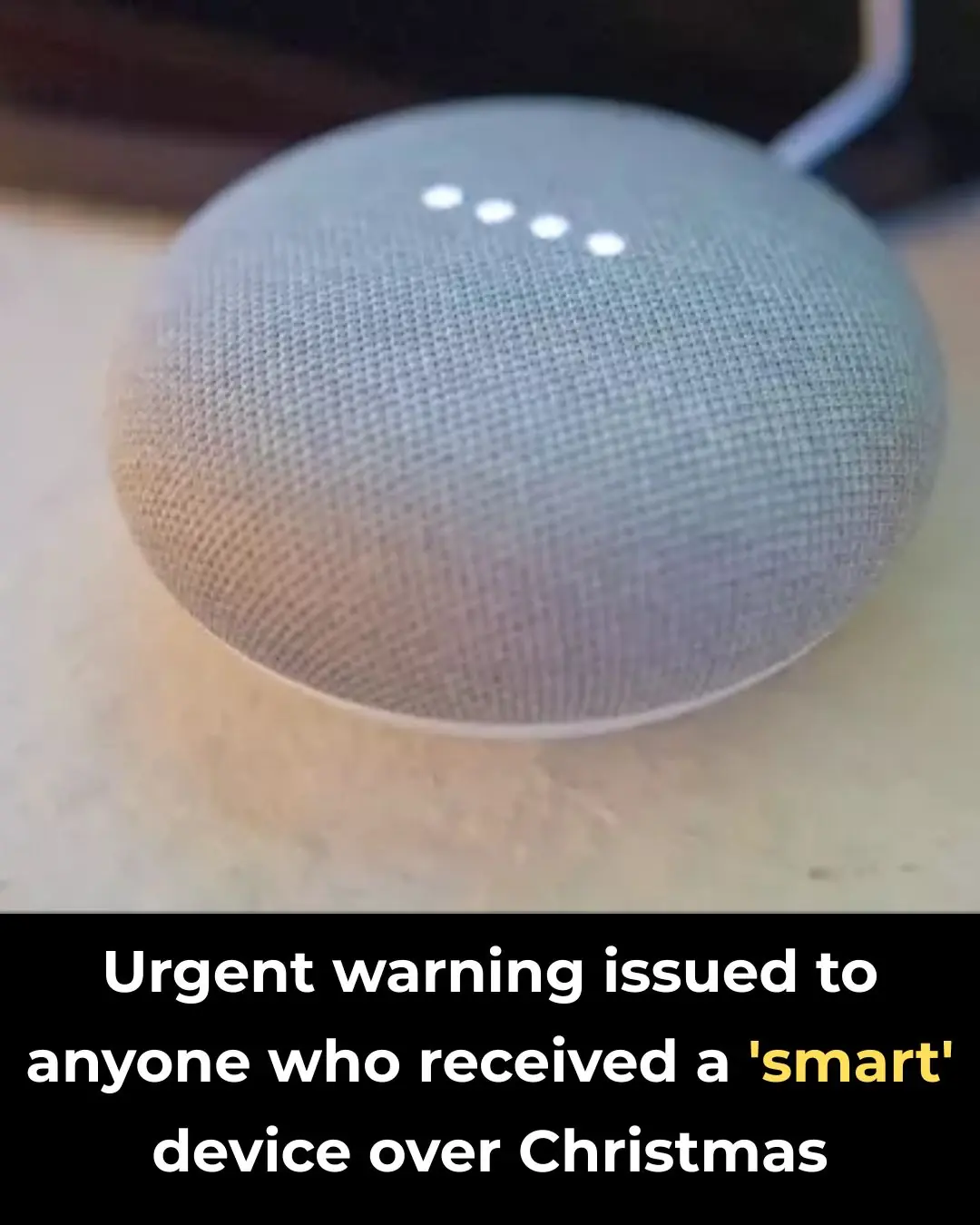
Urgent Advisory for New Smart Device Users: What You Need to Know About Privacy and Security
News 02/01/2026 23:13
As smart devices continue to become popular gifts during major holidays, experts are issuing urgent warnings to anyone who recently received a “smart” device such as a smart speaker, smart display, or connected home assistant. While these devices offer convenience, entertainment, and hands-free assistance, they also raise serious concerns related to privacy, data security, and digital safety—especially when users are unaware of how much information they collect.
Smart devices are designed to listen, respond, and learn from user behavior. Many rely on always-on microphones, cloud-based data processing, and continuous internet connectivity to function effectively. While manufacturers emphasize that devices only actively record after wake words are detected, cybersecurity experts caution that misconfigurations, software vulnerabilities, or user error can expose private conversations and personal data.
One of the most common risks involves default privacy settings. Many users set up smart devices quickly without reviewing permissions, allowing data collection beyond what is necessary. This may include voice recordings stored on external servers, behavioral data used for targeted advertising, or integration with third-party services that increase exposure to breaches. Without regular updates and security checks, smart devices can become entry points for cyberattacks.
In recent years, consumer protection agencies and cybersecurity researchers have highlighted cases where smart devices were exploited due to weak passwords, outdated firmware, or unsecured home networks. These vulnerabilities can allow hackers to access personal information, monitor activity, or even control connected devices remotely. For households with children or elderly users, the risks are even greater.
To reduce these threats, experts recommend taking proactive steps immediately after installation. This includes changing default passwords, enabling two-factor authentication where available, regularly updating device firmware, and reviewing stored voice recordings through official apps. Users are also encouraged to mute microphones when devices are not in use and to disable unnecessary data-sharing features.
Beyond individual actions, this issue underscores a broader need for digital literacy and responsible technology use. As smart devices become more deeply integrated into daily life, understanding their limitations and risks is essential. Governments and regulatory bodies are increasingly calling for stronger privacy standards, clearer user consent policies, and greater transparency from technology companies.
Smart technology is not inherently dangerous—but like any powerful tool, it must be used wisely. Convenience should not come at the cost of personal privacy or security. With informed use and proper safeguards, smart devices can remain helpful companions rather than hidden risks in our homes.
As more households embrace connected technology, awareness becomes the first line of defense. Staying informed, cautious, and proactive can make all the difference in protecting digital well-being in an increasingly connected world.