These are the consequences of wearing used…
Have you ever noticed patches of thickened skin forming on your toes and feet? These patches can be really painful, but mainly, they are harmless.
The medical name for these patches is corns and calluses, and they are usually a result of shoes that are too tight, too loose, or high-heeled. Also, they often appear when wearing second-hand shoes.
Used shoes can easily create toe issues, since they’ve already been shaped to someone else’s foot. Over time, the form of the shoe is altered and pressure points and seams are created, which are not aligned with your own toes. Consequently, this may cause new problems, including friction and pressure where the shoe rubs and the toes are constantly compressed.
In response, the skin thickens to protect itself, forming a hard, raised area that often appears yellow because of a buildup of dead skin cells (keratin). Hard corns usually form on the tops or sides of the toes and may have a central core that feels painful when pressed, often described as feeling like stepping on a small pebble.
Other Possible Causes (Less Common)
Blisters: Prolonged friction may initially result in blisters full of fluid, which may have a yellow appearance if they get infected.
Fungal infections: If you slip on a pair of previously owned shoes, you could be inviting fungi that cause athlete’s foot and nail infections to set up home on your feet. These infections usually present as itching, redness, peeling skin, or yellowed nails rather than a nodular, firm lesion.
Why Second-Hand Shoes Are More Likely to Cause Problems
New shoes can be uncomfortable at first, but used shoes add even more concerns into the mix. They’ve already been molded to someone else’s feet, creating snug pockets of uneven pressure. Poor sanitation is yet another issue because it can transfer sweat, bacteria or fungi, which can cause irritation or infection.
How to Treat It
Switch shoes: Stop wearing the shoes that are causing the problem. Instead, choose well-built, comfortable shoes that have a wide toe box, good arch supports, and plenty of cushioning.
Soak and smooth: Soak your feet in warm, soapy water for 10 to 20 minutes, then use a pumice stone or emery board to gently smooth. Do not cut into the skin.
Reduce friction: Pad the area with corn pads, mole skin, or a gel toe sleeve.
Moisturize: Use urea-containing creams to soften hardened skin.
Nonprescription treatments: Salicylic acid pads are available to help remove corns over time.
If the area becomes painful, red, swollen, starts oozing pus, or isn’t getting any better after a couple of weeks, go see a podiatrist. They can safely treat it and check for underlying problems such as bunions or bone spurs.

News in the same category


These 10 Foods May Support Cellular Health: What Research Suggests About Natural Antioxidant Power!

9 Urgent Warning Signs Your Body Is Sending – Ignoring These Could Be Dangerous!

Joint Pain? The Ultimate Guide to Rebuilding Your Joints Naturally: 8 Powerful Fruits You Must Know!

Over 60? 10 Early Dementia Warning Signs You Must NEVER Ignore (Catch Them Before It’s Too Late)

What Happens to Your Body When You Eat Honey Every Day

What Happens to Your Body When You Eat Spinach Regularly

Daily Aloe Vera Juice Consumption and Improved Thyroid Function in Women with Subclinical Hashimoto’s Hypothyroidism

The Gut–Brain Connection: How Digestive Health Influences Mood and Mental Well-Being

A Complete Guide to Breast Cancer Prevention

What Can Happen When Women Lack Sexual Intimacy?

Tapering Antidepressants: What Strategy Works Best?

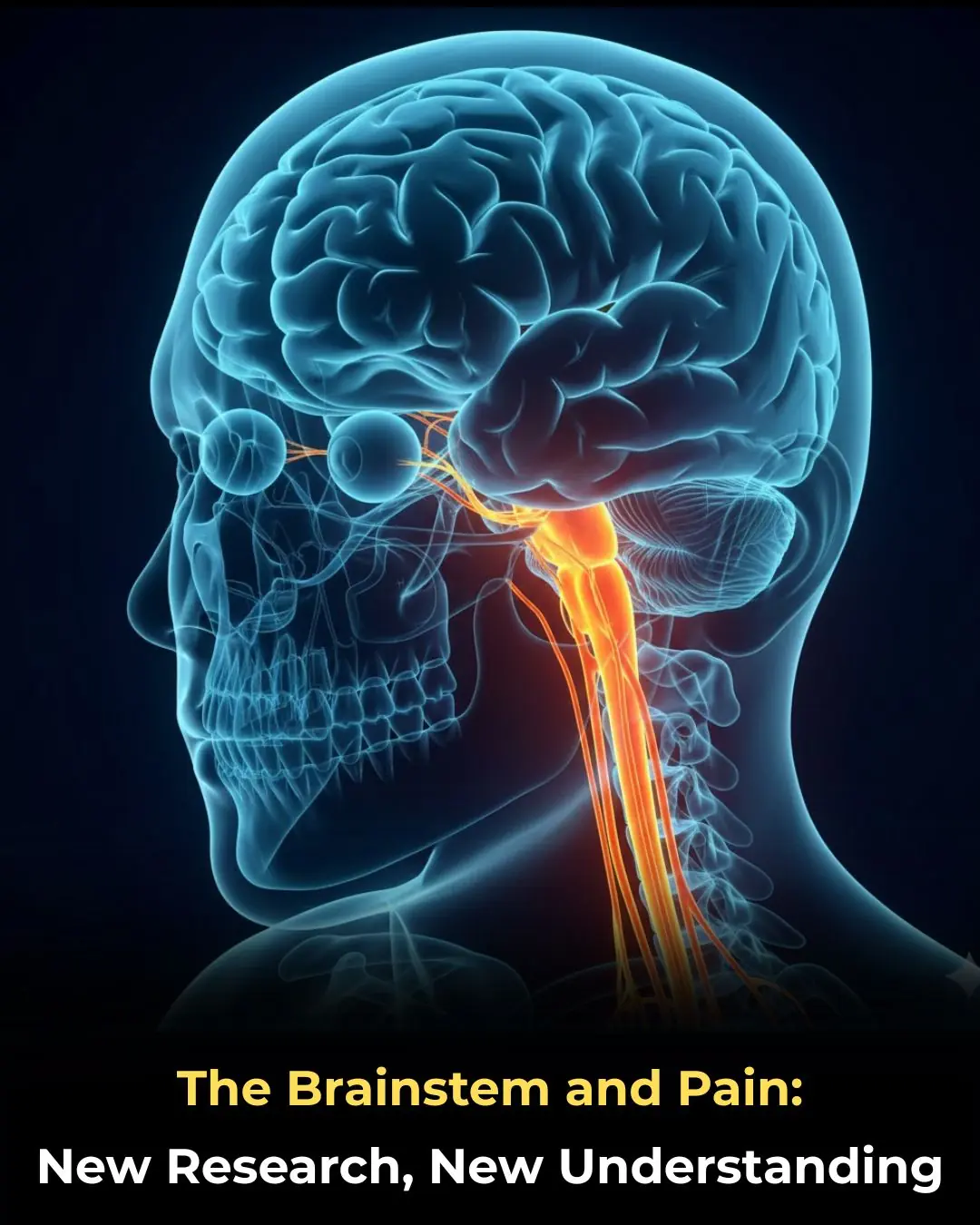
The Brainstem and Pain: New Research, New Understanding

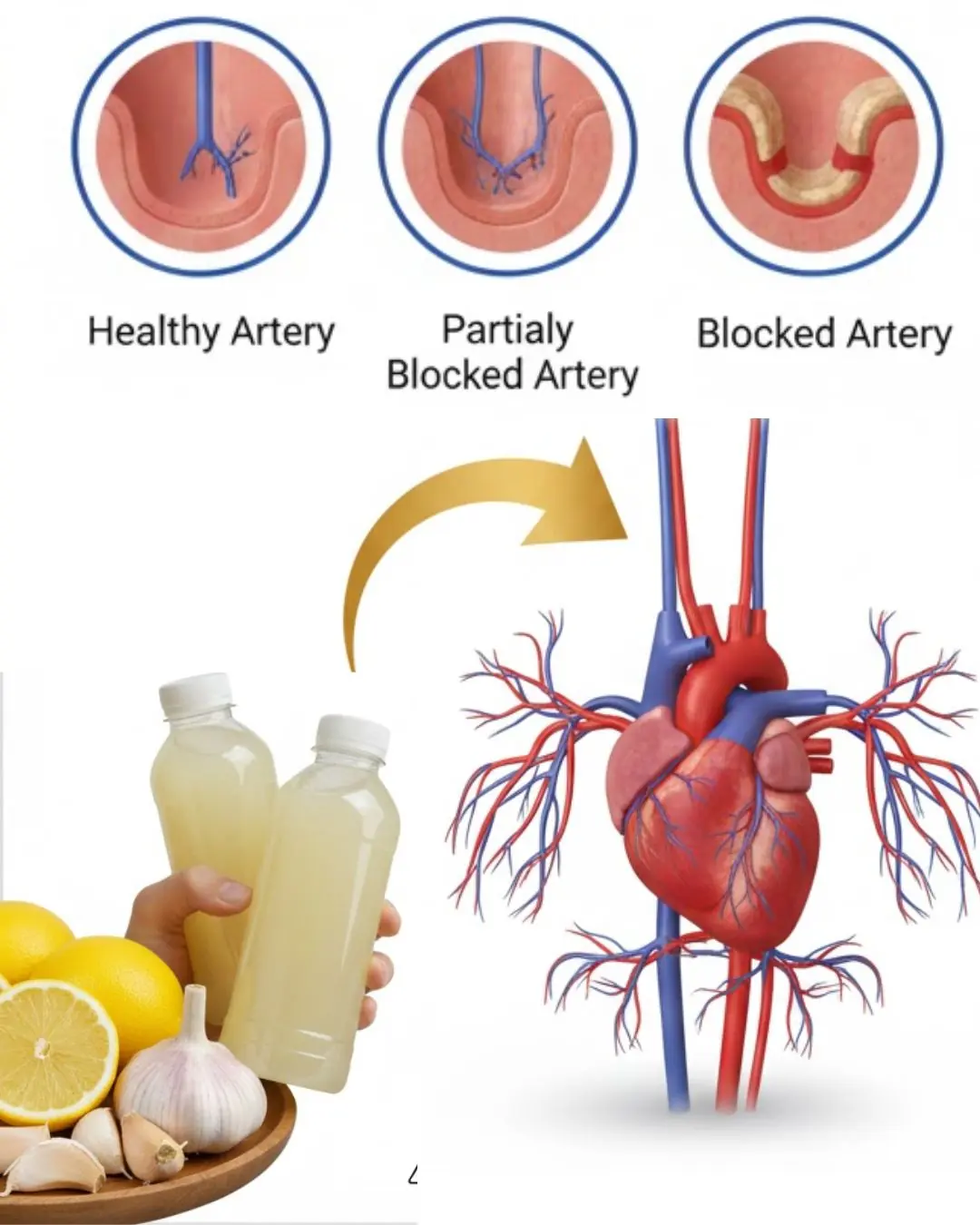
Could a Simple Bedtime Drink with Three Common Ingredients Support Your Heart Health?

Between Supplement Hype and Evidence: A Clinical Guide for Informed Use

Current Cardiac Screening Tools Miss Nearly Half of First Heart Attacks, Study Finds

Could Bone Broth Support Healthy Knee Cartilage as You Age?

Top 7 Best Drinks Diabetics Can Enjoy at Night to Support Healthy Blood Sugar Levels!

Papaya Leaves for Hair: A Natural Way to Support Healthier, Shinier Strands
News Post

Top 10 Superfoods That Fight Proteinuria and Give Your Kidneys New Life – Starting in as Little as 7 Days

These 10 Foods May Support Cellular Health: What Research Suggests About Natural Antioxidant Power!

9 Urgent Warning Signs Your Body Is Sending – Ignoring These Could Be Dangerous!

Joint Pain? The Ultimate Guide to Rebuilding Your Joints Naturally: 8 Powerful Fruits You Must Know!

Over 60? 10 Early Dementia Warning Signs You Must NEVER Ignore (Catch Them Before It’s Too Late)

Top 3 Nutrients Seniors Need to Stop Leg Cramps and Restore Strength: Reclaim Your Steady Steps Today!

12 Surprising Potential Benefits of Moringa Seeds You Might Not Hear About – But Research Suggests They’re Worth Knowing!

Discover the Timeless Secret of a 95-Year-Old Chinese Doctor: How He Stays Vibrant and Healthy

Urgent Advisory for New Smart Device Users: What You Need to Know About Privacy and Security

Urgent Warnings Over Smart Devices: What New Owners Need to Know About Privacy and Security

Therapy Dogs in the Courtroom: Bringing Compassion and Healing to the Justice System

Growing Organs from Stem Cells: A Breakthrough That Could Transform Organ Transplantation

California’s Solar Canals: A Dual Solution for Water Conservation and Clean Energy

Limberlost Place: How Canada Is Redefining Skyscrapers with Mass Timber Architecture

What Happens to Your Body When You Eat Honey Every Day

What Happens to Your Body When You Eat Spinach Regularly

Daily Aloe Vera Juice Consumption and Improved Thyroid Function in Women with Subclinical Hashimoto’s Hypothyroidism

The Gut–Brain Connection: How Digestive Health Influences Mood and Mental Well-Being