The Gut–Brain Connection: How Digestive Health Shapes Mental Well-Being
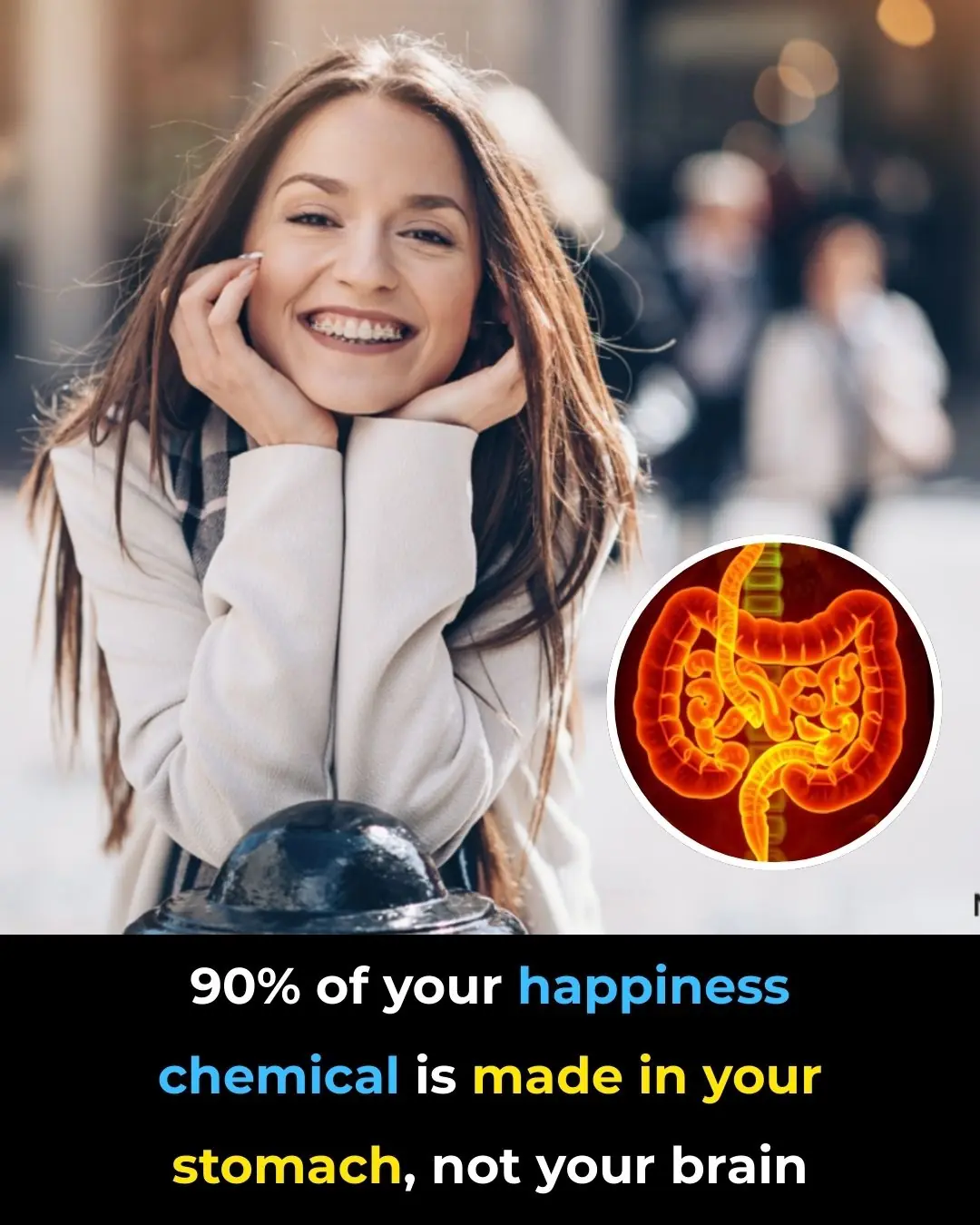
The human gut plays a far more significant role in emotional health than many people realize. Beyond its primary function in digestion, the gastrointestinal system actively communicates with the brain and influences mood, stress levels, and overall mental well-being. One of the most striking examples of this connection is serotonin, a neurotransmitter commonly associated with happiness and emotional stability. Although serotonin is often thought of as a brain chemical, approximately 90% of the body’s serotonin is actually produced in the digestive system.
This phenomenon occurs because the gut contains a vast network of neurons known as the enteric nervous system, sometimes referred to as the “second brain.” With millions of nerve cells embedded in the gut lining, this system operates semi-independently while remaining closely linked to the central nervous system. Communication between the gut and the brain primarily takes place through the vagus nerve, a major pathway that transmits signals in both directions. As a result, digestion, emotional regulation, and stress responses are deeply interconnected.
In recent years, scientific research has increasingly focused on the gut microbiome—the trillions of bacteria, viruses, and fungi living in the digestive tract. Studies suggest that the composition and diversity of these microorganisms play a crucial role in mental health. A balanced microbiome supports the production of neurotransmitters, reduces systemic inflammation, and helps regulate the body’s response to stress. Conversely, an imbalance in gut bacteria, often referred to as dysbiosis, has been linked to anxiety, depression, and changes in social behavior.
Emerging evidence also shows that gut bacteria can influence the way individuals perceive and respond to social situations. Certain beneficial strains appear to reduce stress-related hormones and promote more adaptive emotional responses. These findings have led researchers to explore dietary interventions as a complementary approach to mental health care.
Fermented foods such as yogurt, kefir, kimchi, sauerkraut, and miso are widely recognized for their positive effects on gut health. These foods contain probiotics that help replenish beneficial bacteria and support microbial diversity. In contrast, diets high in refined sugars and ultra-processed foods can disrupt the microbiome, increase inflammation, and exacerbate stress-related symptoms. Over time, poor dietary habits may weaken the gut–brain connection and negatively affect emotional resilience.
It is important to note that diet alone is not a cure for mental health disorders such as anxiety or depression. Psychological, social, and biological factors all contribute to mental well-being, and professional treatment remains essential for many individuals. However, maintaining a healthy gut through balanced nutrition appears to be a valuable long-term strategy for supporting emotional health and enhancing overall quality of life.
As research on the gut–brain axis continues to evolve, it is becoming increasingly clear that mental health cannot be separated from physical health. Caring for the digestive system may be one of the most practical and accessible ways to support emotional balance and resilience in daily life.
References
-
University of Virginia School of Medicine. (2024). The gut-brain axis: How the microbiome influences anxiety and depression. Charlottesville: UVA Health.
-
Cork University Hospital. (2025). Fermented foods and social anxiety: A randomized controlled trial. Psychiatry Research, 312, 114–123.
-
Harvard Medical School. (2023). The gut-brain connection. Harvard Health Publishing.
-
World Health Organization. (2022). Mental health and nutrition: Emerging evidence and implications. WHO Press.
-
Cryan, J. F., & Dinan, T. G. (2019). Mind-altering microorganisms: The impact of the gut microbiota on brain and behaviour. Nature Reviews Neuroscience, 20(4), 241–255.