Aging Fast After 30? Balance Your Hormones with These 5 Superfoods
Health 06/04/2026 17:18
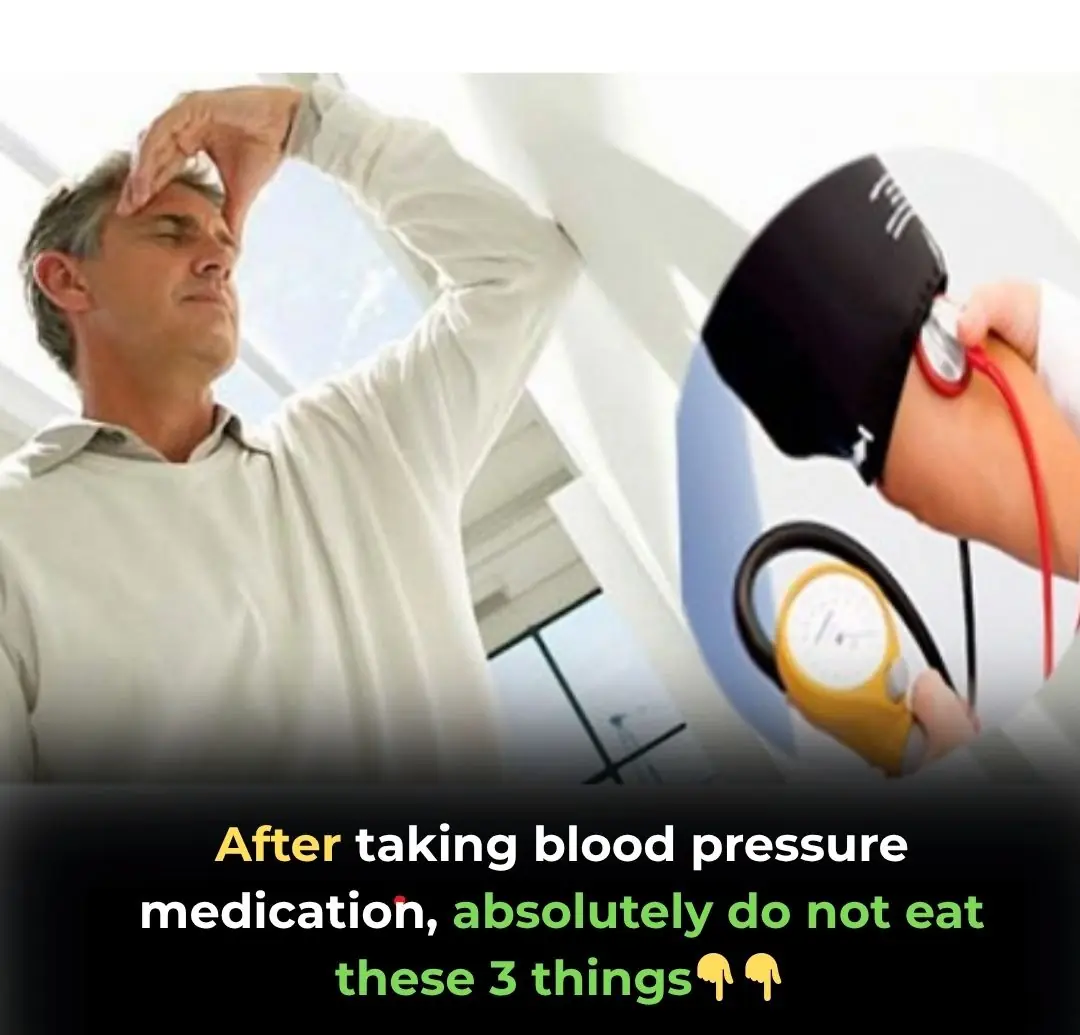
Managing hypertension requires more than just remembering your daily pill; it involves being mindful of what’s on your plate. Certain foods can trigger dangerous interactions with antihypertensive drugs, either by neutralizing their effect or causing blood pressure to drop to dangerously low levels.
If you are on a treatment plan for high blood pressure, here are the three major food items you should strictly avoid.
Grapefruit is the most notorious offender when it comes to medication interference. It contains compounds called furanocoumarins that block an enzyme in your digestive system normally responsible for breaking down medication.
The Risk: Instead of being metabolized, the drug stays in your bloodstream in much higher concentrations. This can lead to an "overdose" effect, causing your blood pressure to plummet suddenly, leading to dizziness or fainting.
Commonly Affected Meds: Calcium channel blockers (like Amlodipine or Nifedipine).
It might seem obvious, but many people don't realize that eating a high-sodium meal immediately after taking medication is like trying to put out a fire while pouring gasoline on it.
The Risk: Sodium causes the body to retain water, which increases the volume of blood and puts direct pressure on your vessel walls. This effectively cancels out the work your medication is trying to do.
Watch Out For: Instant noodles, canned soups, processed meats, and pickled vegetables.
While potassium is generally healthy for the heart, it can be a double-edged sword for patients taking ACE inhibitors or ARBs.
The Risk: Certain blood pressure medications cause the body to retain potassium. If you consume large amounts of potassium-rich foods (like bananas, spinach, or salt substitutes) right after your dose, you risk developing hyperkalemia (excessive potassium in the blood).
Symptoms: This can lead to heart palpitations, muscle weakness, or even dangerous cardiac arrhythmias.
Consistency is Key: Take your medication at the same time every day, preferably with a full glass of plain water.
Read the Label: Always check the "Drug Facts" or the leaflet provided by your pharmacist for specific food warnings.
Consult Your Doctor: Before making major dietary changes or starting supplements, always seek professional medical advice.