Aging Fast After 30? Balance Your Hormones with These 5 Superfoods
Health 06/04/2026 17:18
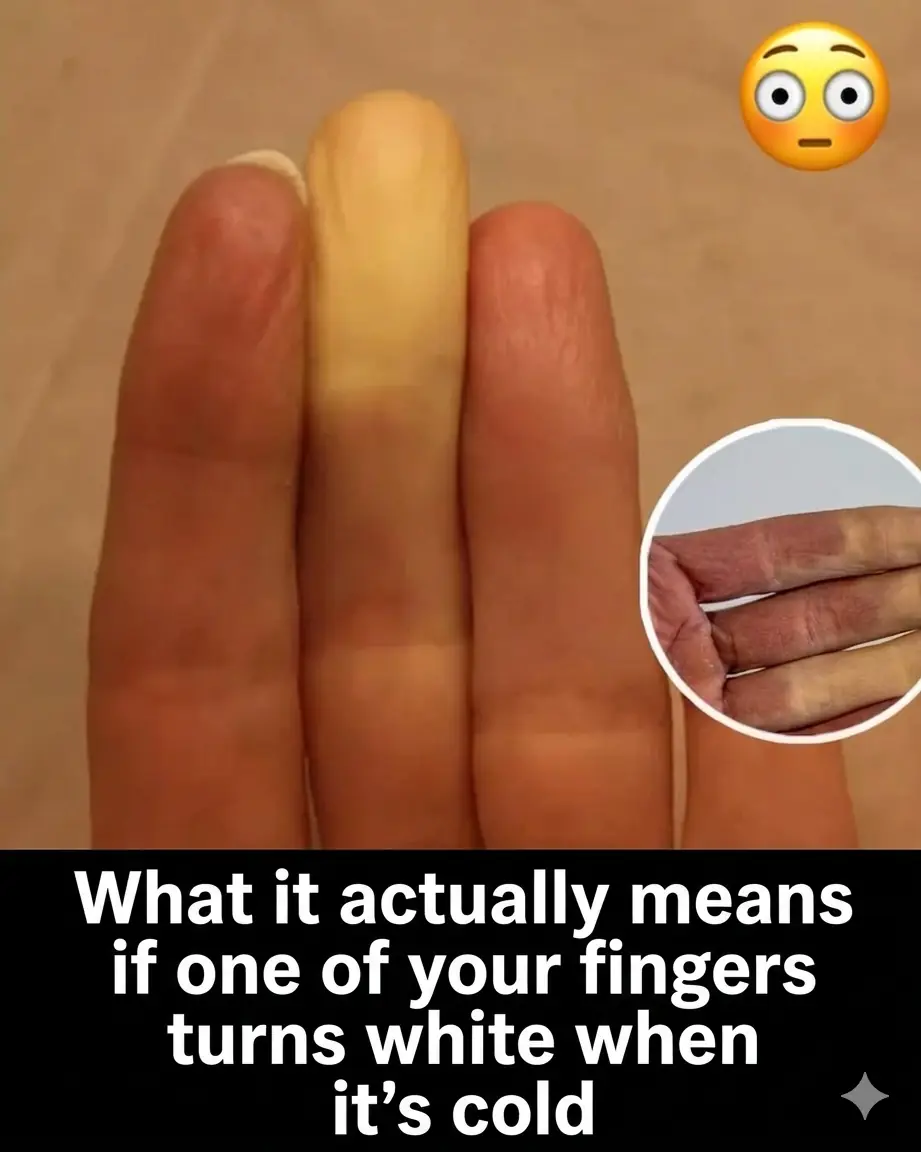
Have you ever noticed your fingers suddenly turning white—or even bluish—when exposed to cold temperatures? While it may seem unusual, this reaction could be a sign of Raynaud’s phenomenon, a condition that affects blood circulation in certain parts of the body.
Raynaud’s phenomenon is a condition where small blood vessels in the fingers and toes temporarily narrow when exposed to cold or stress. This limits blood flow, causing noticeable color changes in the skin.
Typically, affected areas may turn:
These episodes can last from a few minutes to longer periods, depending on the severity.
People with Raynaud’s phenomenon may experience:
Raynaud’s can be triggered by:
There are two main types:
You may be more likely to experience Raynaud’s if you:
While Raynaud’s can’t always be cured, it can often be managed with simple lifestyle changes:
If symptoms are severe, frequent, or accompanied by pain or skin damage, it’s important to seek medical advice. Secondary Raynaud’s may require further evaluation and treatment.
Raynaud’s phenomenon might seem alarming at first, but understanding the condition can help you manage it effectively. Paying attention to your body’s signals—especially in cold environments—can make a big difference in maintaining comfort and health.