Aging Fast After 30? Balance Your Hormones with These 5 Superfoods
Health 06/04/2026 17:18
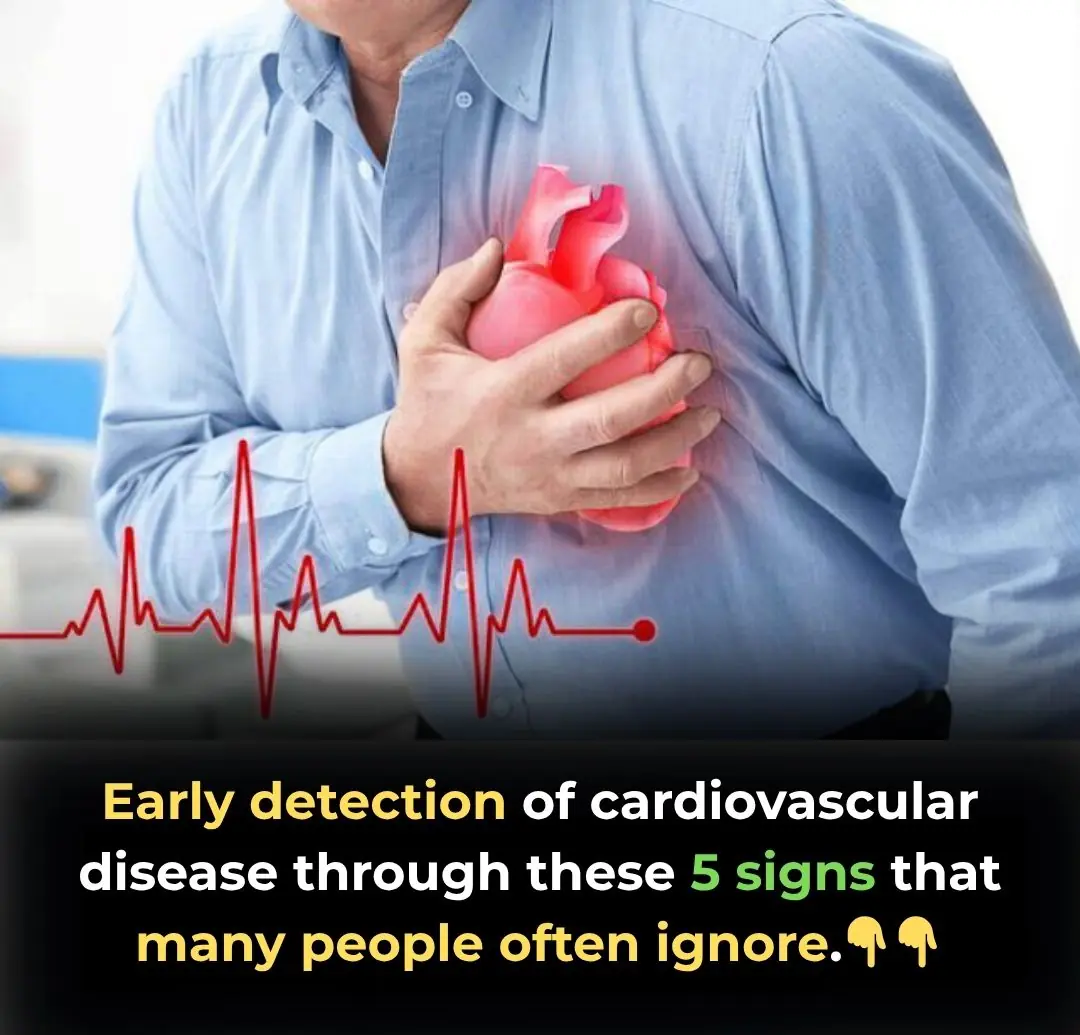
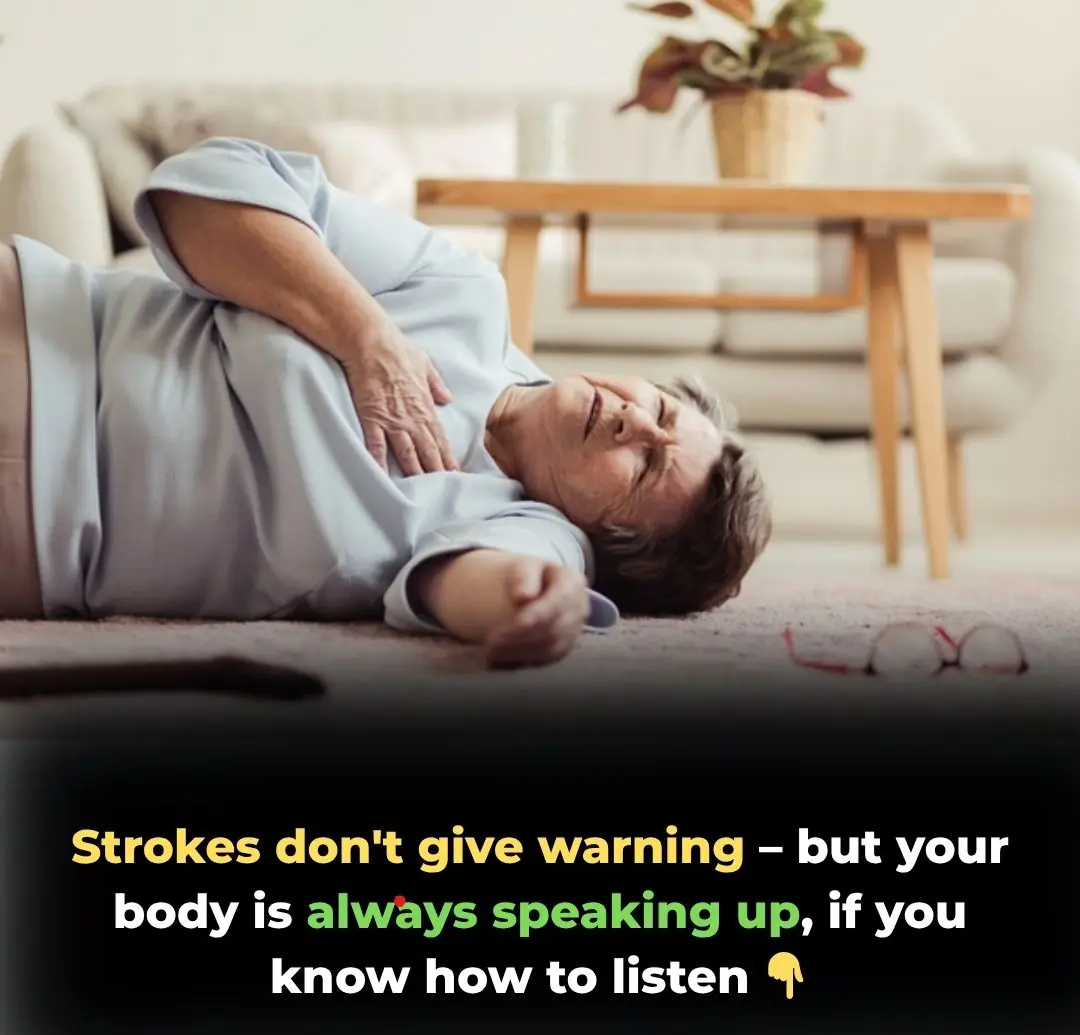
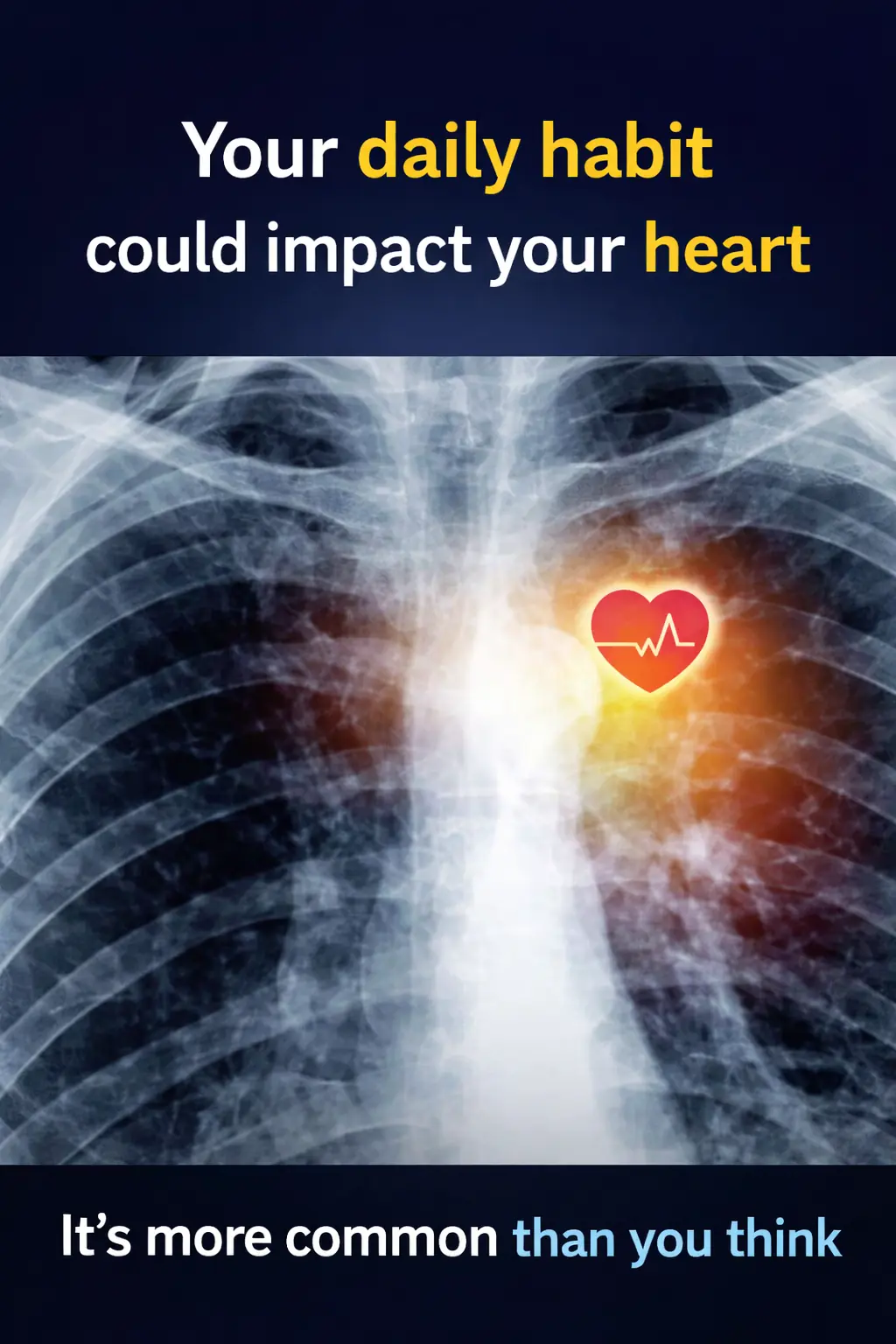
Heart disease remains one of the leading causes of mortality worldwide. While some cardiac events happen suddenly, the body often sends subtle signals long before a crisis occurs. Recognizing these early warning signs can be the difference between a routine check-up and an emergency room visit.
Here are five signs of cardiovascular issues that many people frequently overlook.
It’s normal to feel tired after a long day, but unexplained, overwhelming fatigue—the kind that makes simple tasks like making the bed feel like a marathon—could be a red flag. When the heart struggles to pump enough blood to meet the body's needs, it prioritizes vital organs, leaving your muscles feeling drained.
Known medically as peripheral edema, swelling in the lower extremities can occur when the heart isn't pumping efficiently. This causes fluid to back up in the veins and leak into the surrounding tissues. If your shoes feel tighter at the end of the day or you notice "pitting" (an indentation left after pressing your skin), it’s time to consult a professional.
Not every heart issue feels like a "crushing weight" on the chest. Many people mistake early cardiovascular distress for acid reflux, heartburn, or a pulled muscle. This discomfort may manifest as a vague pressure, squeezing, or fullness that comes and goes. If it's triggered by physical exertion and fades with rest, it is rarely just "gas."
If you find yourself gasping for air after climbing a few stairs—when you used to do it easily—pay attention. Shortness of breath occurs when the heart cannot keep up with the oxygen demand or when fluid begins to back up into the lungs. This is a primary indicator of potential heart failure or coronary artery disease.
While dizziness can be caused by dehydration or standing up too quickly, frequent bouts of lightheadedness should not be ignored. This can be caused by arrhythmia (abnormal heart rhythms) or a drop in blood pressure, both of which suggest the heart isn't circulating blood to the brain effectively.
Cardiovascular disease is often a "silent" condition. By the time severe pain occurs, the damage may already be extensive. Monitoring these subtle changes allows for:
Early Intervention: Lifestyle changes or minor medications are often enough to manage early-stage issues.
Preventing Complications: Catching issues early significantly reduces the risk of heart attack or stroke.
Better Quality of Life: Proper heart health management ensures you stay active and energetic for years to come.
Disclaimer: This article is for informational purposes only and does not substitute for professional medical advice. If you are experiencing chest pain or severe shortness of breath, seek emergency medical care immediately.