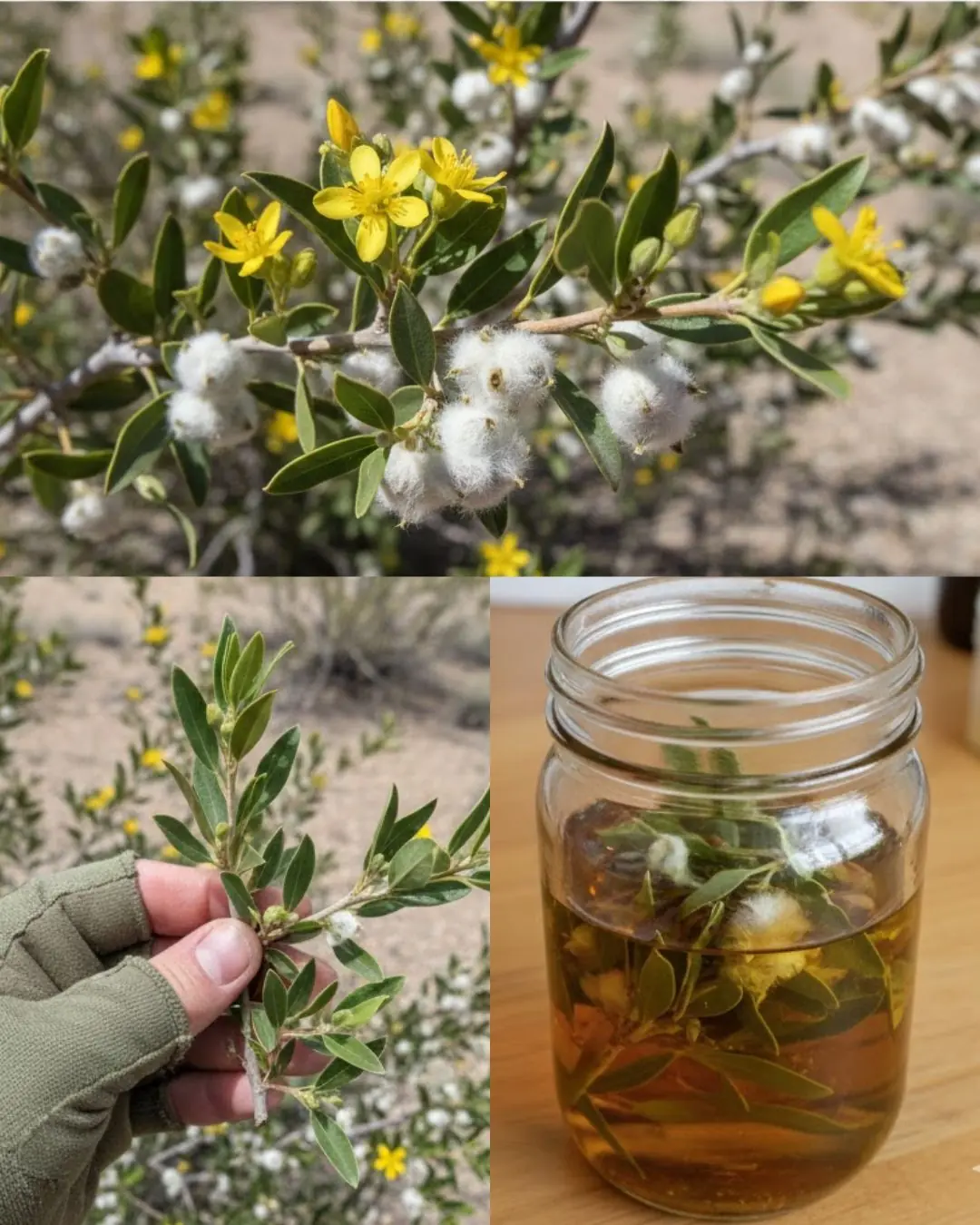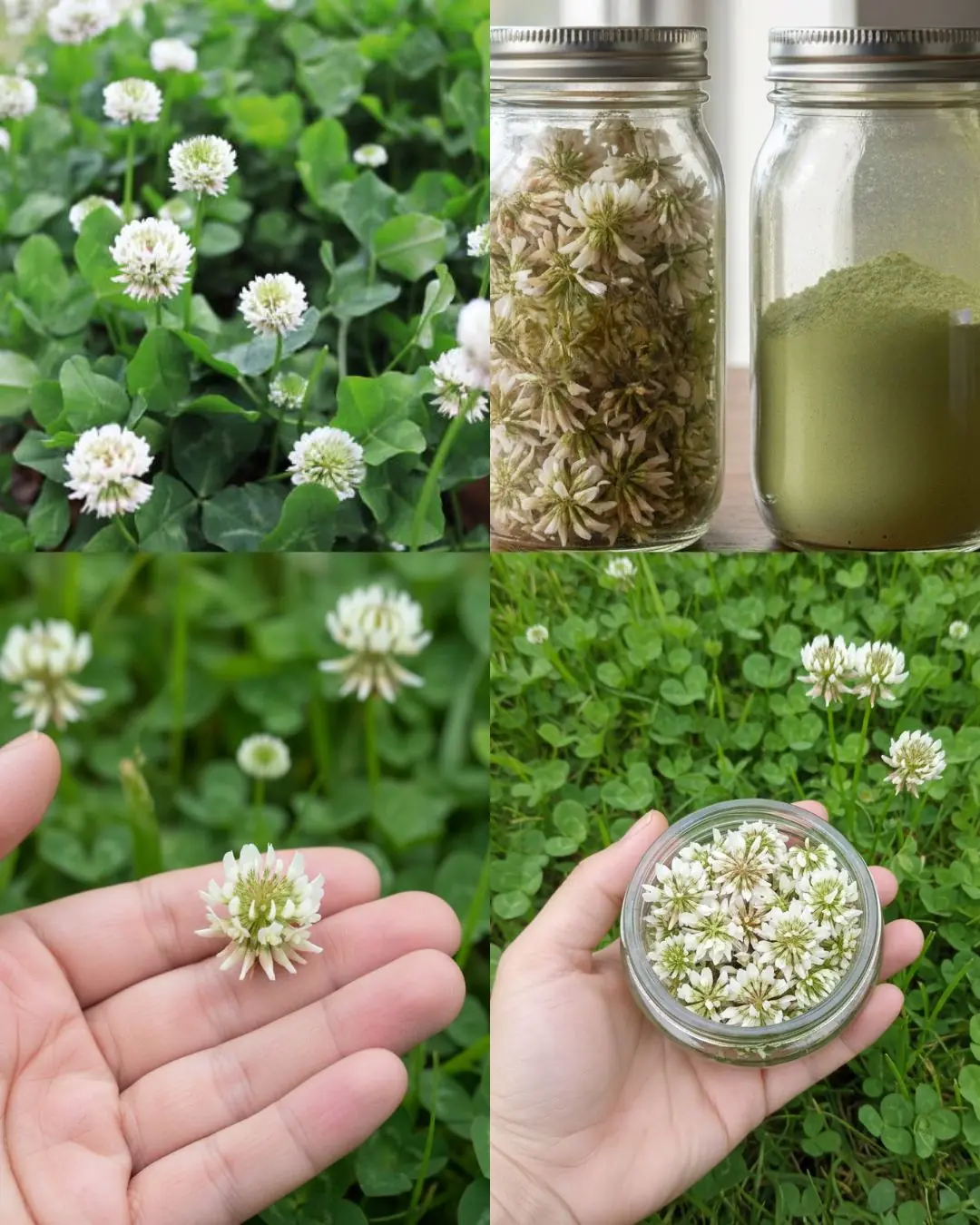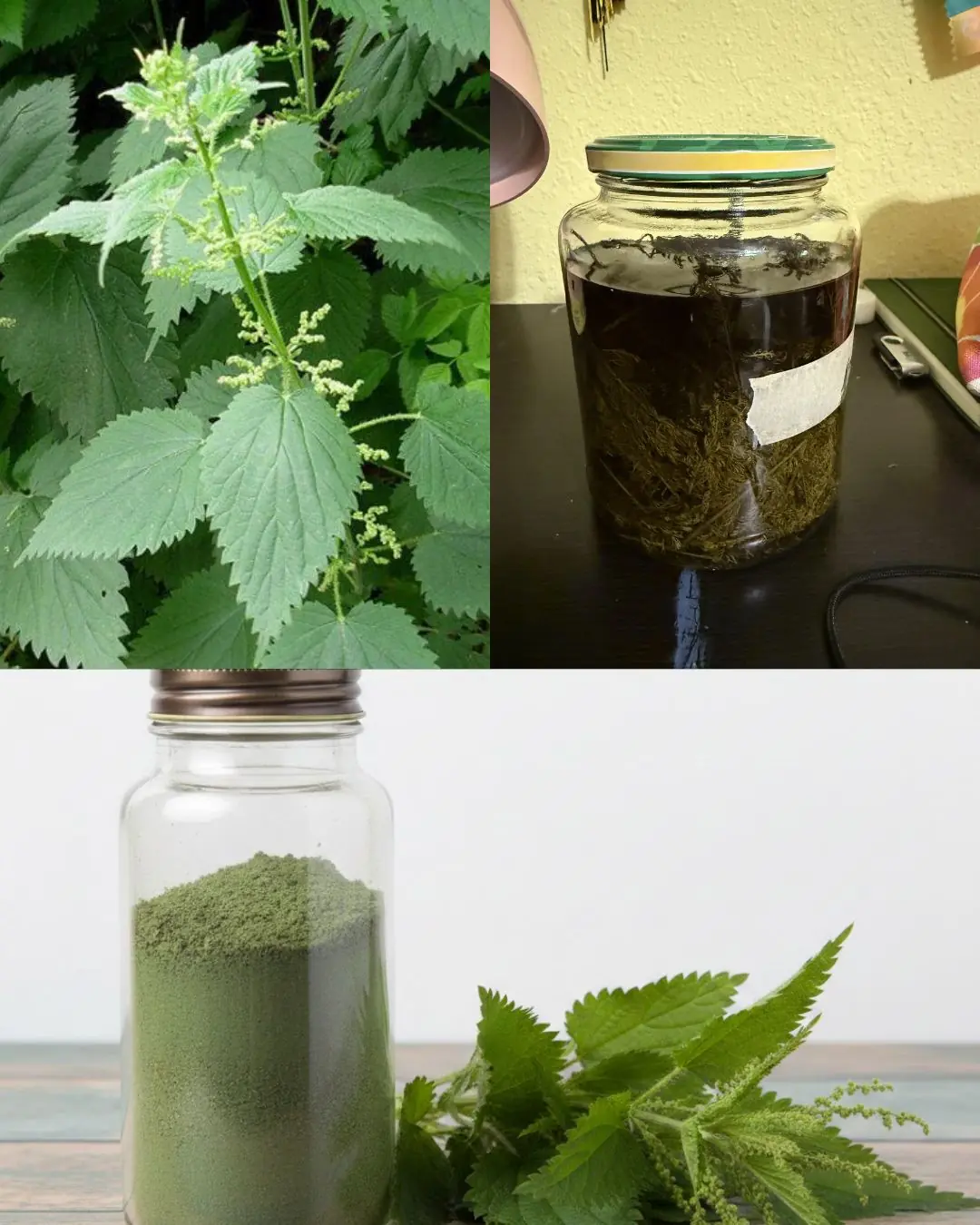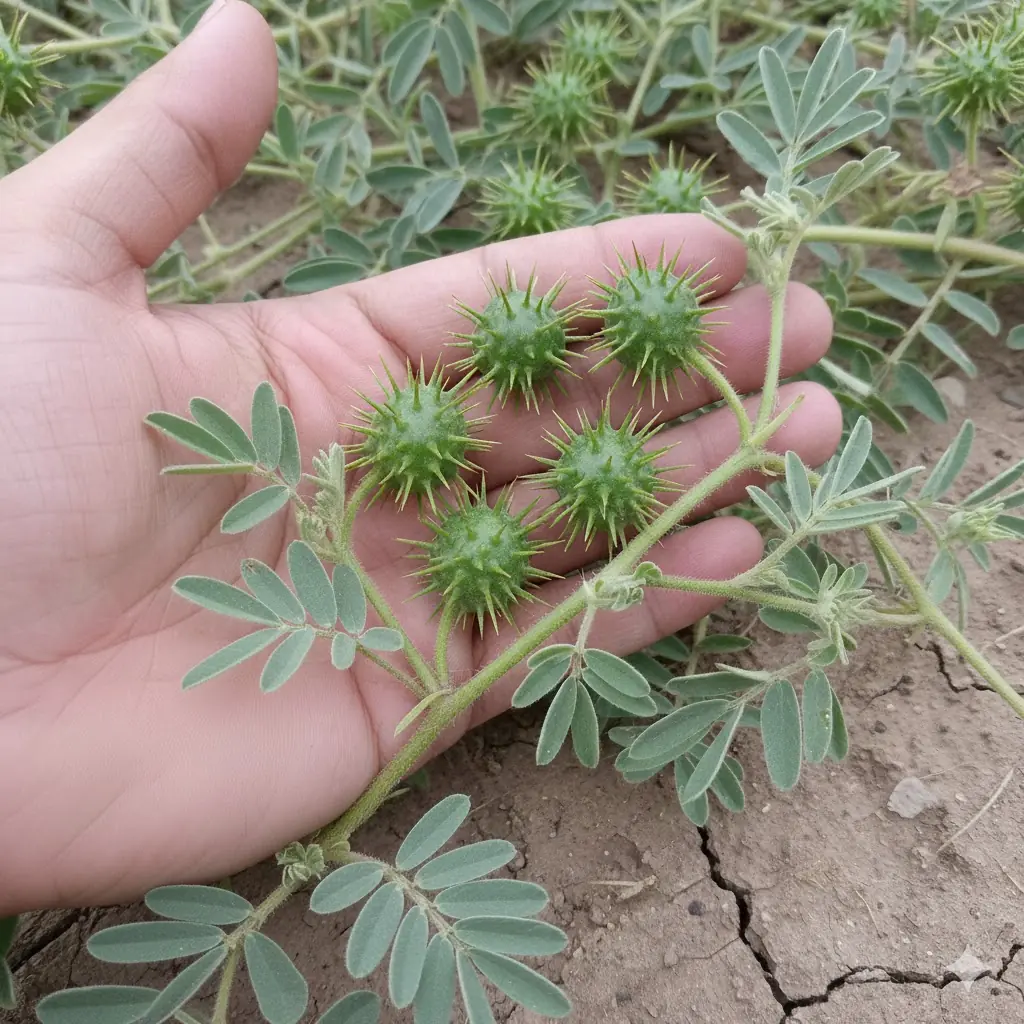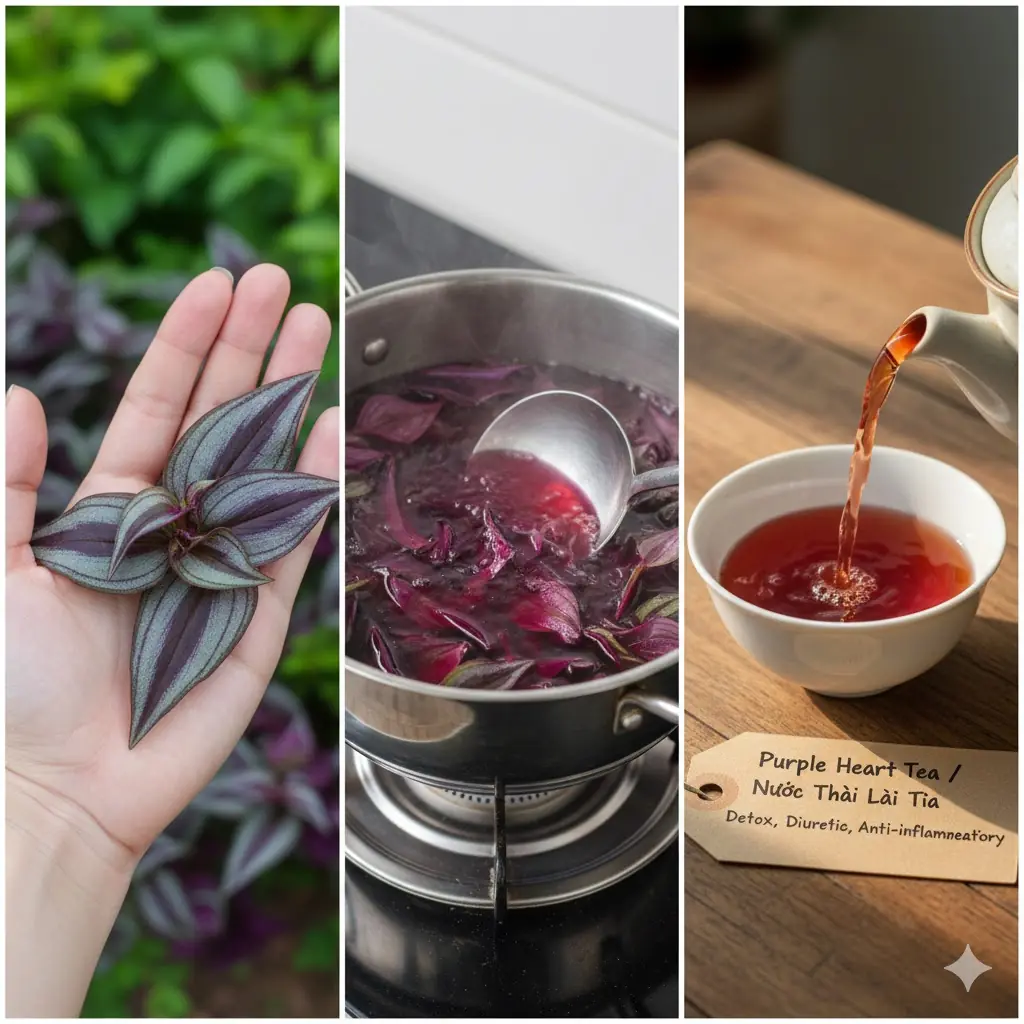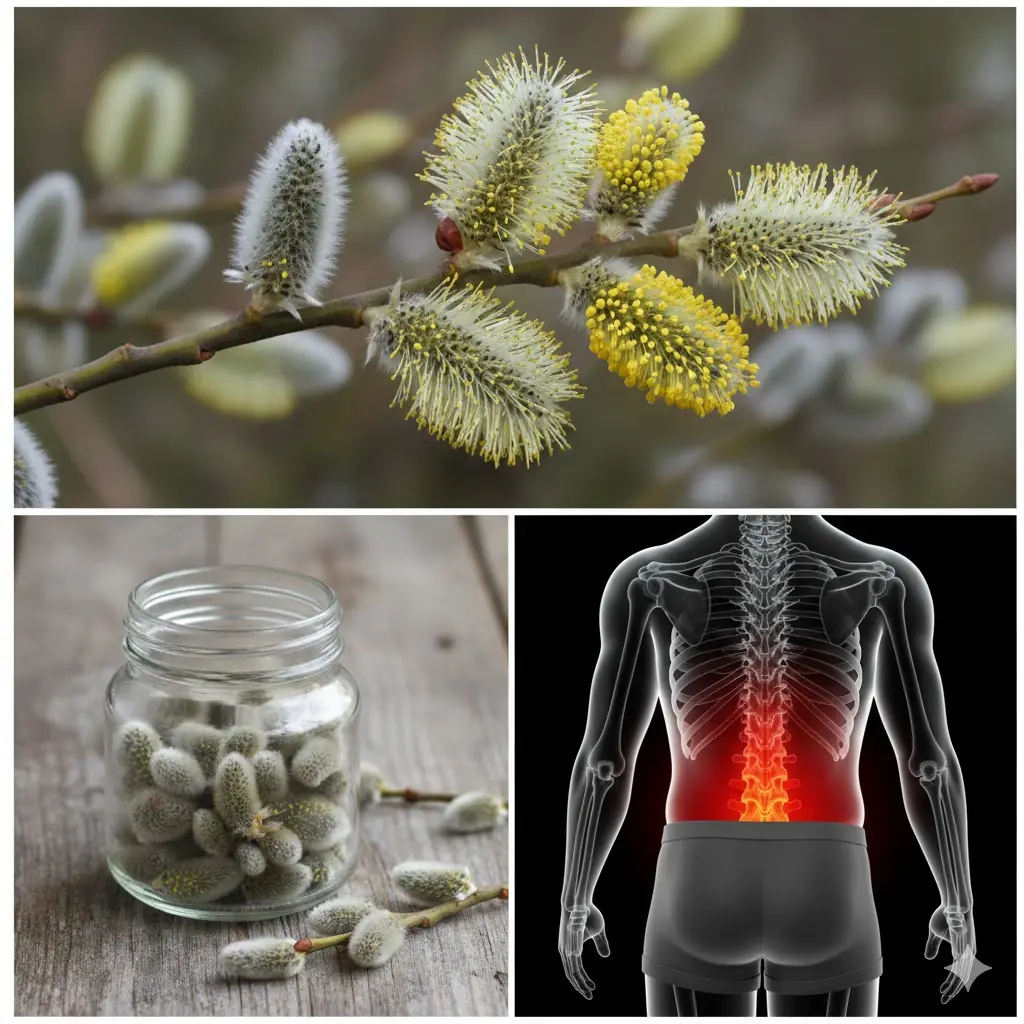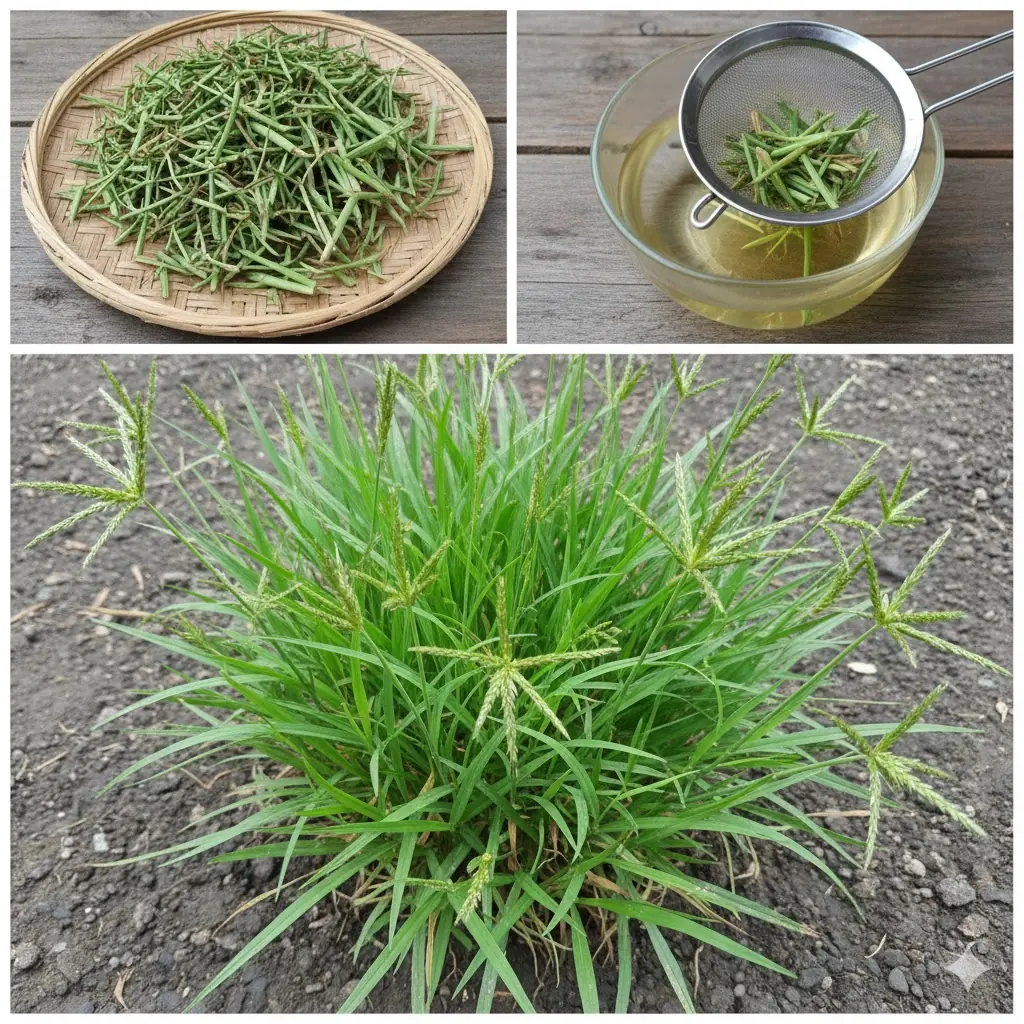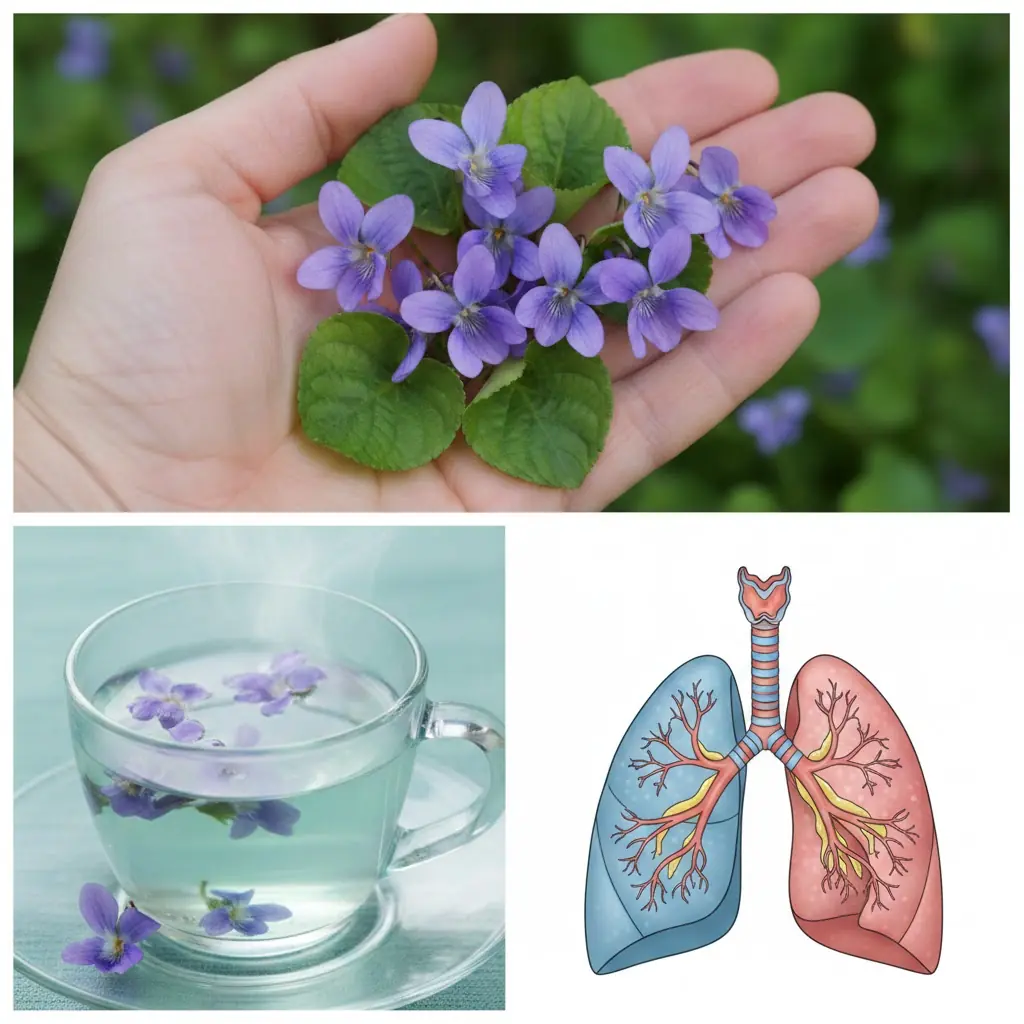
It's a pain killer, helps relieve leg pain, varicose veins, rheumatism, and arthritis...👇
Health 18/02/2026 22:04

As the body ages, it’s normal to feel a little less strength when climbing stairs, getting up from a chair, or carrying groceries. But these changes are not caused by age alone. One of the main reasons is sarcopenia — the gradual loss of muscle mass and strength, which typically accelerates after age 60.
The good news? With simple adjustments to your daily eating habits, especially the way you include fruit in your diet, you can protect your muscles, maintain your energy, and stay independent for many years.
In this guide, you’ll learn which fruits should be eaten in moderation after 60 and how to combine them properly so they support, rather than harm, your muscle health.
Muscles do far more than support movement. They help maintain balance, prevent falls, regulate blood sugar, protect your metabolism, and ensure long-term autonomy.
After age 60, muscle loss can reach up to 1% per year, but this process can be slowed—or even reversed—with the right strategies:
Eat 1.2 to 1.6 g of protein per kg of body weight daily
Perform strength-training exercises 2–3 times per week
Sleep at least 7 hours per night
Pair fruits with protein or healthy fats (yogurt, nuts, cheese) to avoid blood sugar spikes
Fruits remain healthy, but older adults must be mindful of portion size, timing, and combinations to preserve lean muscle.
Grapes offer powerful antioxidants like resveratrol, which support heart and brain health. However, they are also dense in fructose.
For older adults, excess sugar can lead to internal fat accumulation and inflammation, both of which weaken muscle function.
Stick to 5–7 grapes at a time
Avoid eating them multiple times a day
Pair them with plain yogurt or cottage cheese to slow sugar absorption
Choose red or black grapes with seeds for higher antioxidant content
Better alternatives: strawberries, blueberries, apples.
Bananas help prevent muscle cramps due to their high potassium levels.
But too much potassium—especially for people with reduced kidney function—may cause:
Fatigue
Muscle weakness
Irregular heartbeat
Limit to one medium banana per day, preferably in the morning
Combine with peanut butter or yogurt to reduce glycemic impact
Avoid eating multiple bananas in a day, especially on an empty stomach
Better alternatives: pear, apple, strawberries, blueberries.
Watermelon refreshes and hydrates, but it provides very few minerals and almost no protein. When overeaten, it creates “false fullness,” which may cause you to skip essential nutrients that your muscles rely on.
Eat 1–2 small slices (100–150 g) at a time
Pair with a boiled egg or fresh cheese
Avoid replacing a full meal with watermelon—it lacks protein, calcium, and magnesium
Better alternatives: orange, tangerine, papaya with yogurt.
Papaya contains vitamin C and digestive enzymes that improve gut health.
Still, consuming too much—especially on an empty stomach—can alter acidity levels and reduce key minerals needed for muscle maintenance.
When eaten alone, papaya may promote muscle loss by providing sugar without protein.
Consume 150–200 g, 2–3 times per week
Pair with whole yogurt, chia seeds, or nuts
Avoid large portions first thing in the morning
Better alternatives: kiwi, guava.
This simple weekly plan helps stabilize blood sugar, protect muscles, and provide consistent energy.
Breakfast: Yogurt + 1 kiwi
Morning snack: 1 apple + 10 almonds
Breakfast: 1 banana + 1 tablespoon peanut butter
Snack: 5 grapes + a piece of cottage cheese
Breakfast: 1 cup papaya + 1 tablespoon chia seeds
Snack: 1 cup strawberries + plain yogurt
Breakfast: 1 small slice watermelon + 1 boiled egg
With mindful portions and smart combinations, you can continue enjoying your favorite fruits after 60 without compromising muscle health. Following these guidelines often leads to:
Greater agility
Less stiffness
Better sleep
Faster recovery
Stronger, firmer arms and legs
Healthy eating doesn’t mean giving up fruits—it simply means learning how to use them to your advantage.