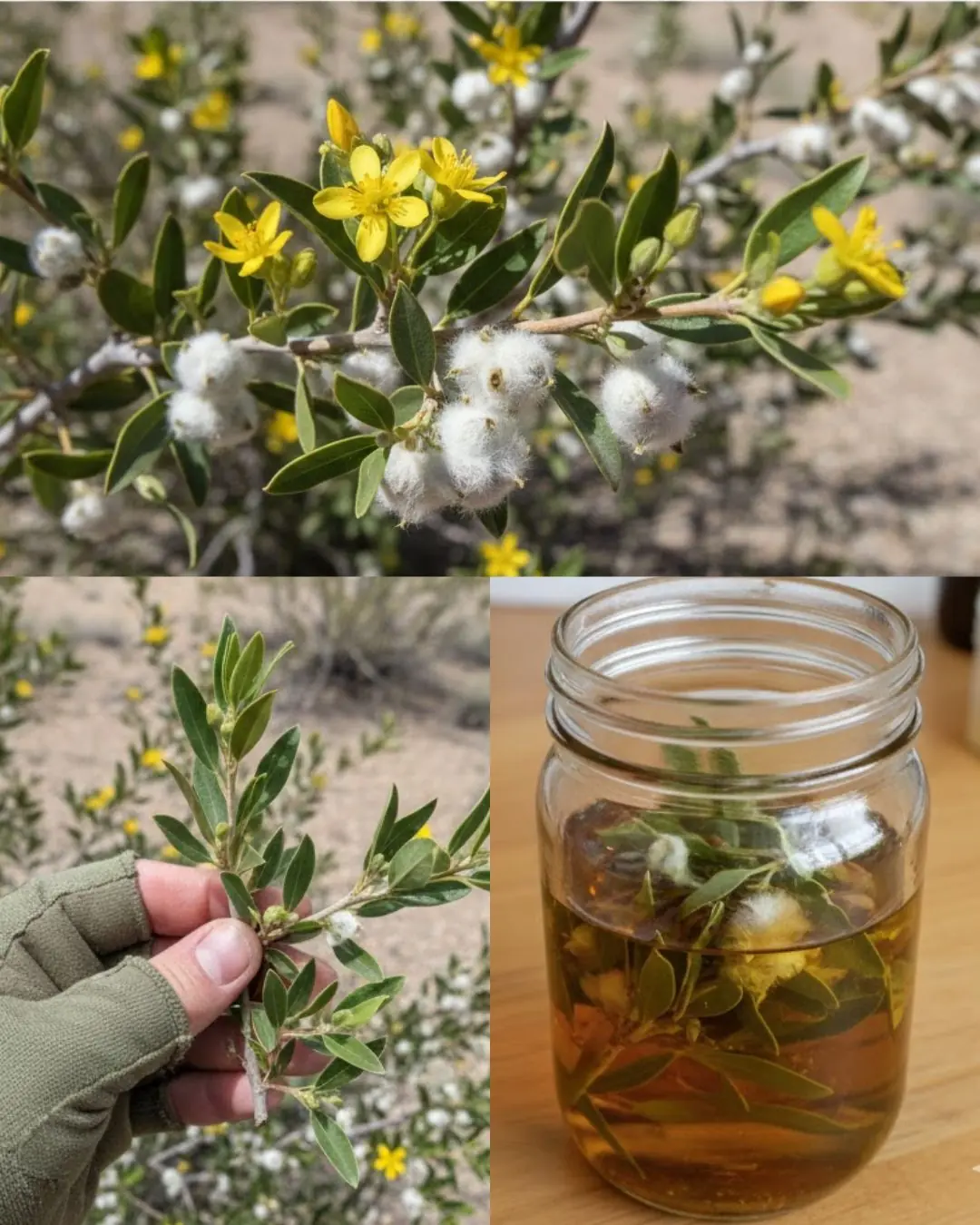
The Desert Survivor That Preserves Cells, Fights Oxidation, and Commands Respect
Garden Healthy 18/02/2026 22:55
Broadleaf plantain (Plantago major) is commonly dismissed as a stubborn lawn weed, quietly growing along sidewalks, garden beds, and roadside paths. Yet beneath its humble appearance lies one of the most versatile medicinal plants in traditional herbal practice. Native to Europe and parts of Asia, this resilient herb spread across the world centuries ago and earned the nickname “white man’s footprint” in North America due to how quickly it followed European settlers. For generations, healers have relied on broadleaf plantain for its soothing, cleansing, and restorative properties.
Today, modern herbal enthusiasts are rediscovering what traditional cultures long understood: this ordinary-looking plant holds extraordinary healing potential. Below is a deeper look at its benefits and practical ways to use it safely and effectively.
Broadleaf plantain contains active compounds such as aucubin, flavonoids, and tannins that help reduce inflammation in the body. This makes it supportive for inflammatory conditions like arthritis, minor joint discomfort, and certain digestive inflammations. By calming irritated tissues, it encourages the body’s natural healing processes.
One of its most famous uses is as a natural first-aid remedy. When crushed and applied to the skin, fresh leaves may help slow bleeding, reduce swelling, and protect against minor infections. It’s often used for small cuts, scrapes, insect bites, and even mild burns.
Rich in mucilage—a soothing, gel-like fiber—broadleaf plantain helps coat and calm the digestive tract. This can provide gentle relief for gastritis, mild ulcers, acid irritation, and symptoms associated with irritable bowel discomfort. It also supports regular bowel movements due to its fiber content.
Traditionally used as a natural expectorant, plantain may help loosen mucus and ease occasional coughs. Herbal teas made from the leaves have been used to soothe irritated throats and support lung comfort during seasonal illnesses.
Broadleaf plantain contains compounds with mild antimicrobial activity. These properties may help the body resist certain bacteria and fungi, supporting recovery from minor infections when used appropriately alongside proper care.
The leaves are surprisingly nutritious. They contain vitamins A, C, and K, along with minerals such as calcium and iron. These nutrients contribute to immune health, strong bones, and healthy skin. Young leaves, in particular, are tender and suitable for culinary use.
Thanks to its soothing and cooling nature, plantain is commonly used for skin irritation. It may help calm redness, dryness, and itching associated with conditions like eczema or mild rashes. Its natural tannins also provide a gentle tightening effect that supports skin repair.
Plantain’s natural analgesic qualities can offer mild relief for headaches, tooth discomfort, and menstrual cramps. Herbal tea or topical applications are common traditional approaches.
Preliminary research suggests that certain compounds in Plantago major may help support balanced blood sugar levels by improving insulin sensitivity. While it is not a replacement for medical treatment, it may serve as a complementary herbal ally when used responsibly.
Broadleaf plantain has traditionally been used to support the liver and kidneys—the body’s primary detoxification organs. Its diuretic properties may assist in eliminating excess waste, helping the body maintain internal balance.
Steep 1–2 teaspoons of dried leaves in one cup of hot water for 10–15 minutes. Strain and drink up to three times daily to support digestion, respiratory comfort, or general wellness.
Infuse dried plantain leaves in olive oil for 2–4 weeks. Strain and gently heat the oil with beeswax until melted. Pour into small containers and allow to cool. Apply to minor cuts, dry skin, or insect bites.
Crush fresh, clean leaves into a paste and apply directly to minor wounds or irritated skin. Cover with clean gauze and leave in place for a few hours.
Young leaves can be added raw to salads or blended into smoothies. Older leaves are best lightly cooked like spinach to soften their fibrous texture.
Soak chopped fresh leaves in alcohol (such as vodka) in a sealed jar for 4–6 weeks. Strain and store in a dark glass bottle. Small amounts may be used to support immune and digestive health.
Broadleaf plantain thrives in compacted soil, symbolizing resilience and adaptability. Its ability to grow almost anywhere mirrors its wide range of supportive health benefits. From first-aid applications to digestive comfort and nutritional value, this plant proves that powerful medicine often grows quietly at our feet.
While broadleaf plantain is generally considered safe for most individuals, allergic reactions are possible. Always perform a small patch test before topical use. Consult a qualified healthcare professional before adding any new herb to your routine, especially if you are pregnant, nursing, managing a medical condition, or taking prescription medications.
The next time you see broadleaf plantain growing in your yard, pause before pulling it out. What looks like a simple weed may actually be one of nature’s most accessible and generous healing herbs.