The Desert Survivor That Preserves Cells, Fights Oxidation, and Commands Respect
Garden Healthy 18/02/2026 22:55
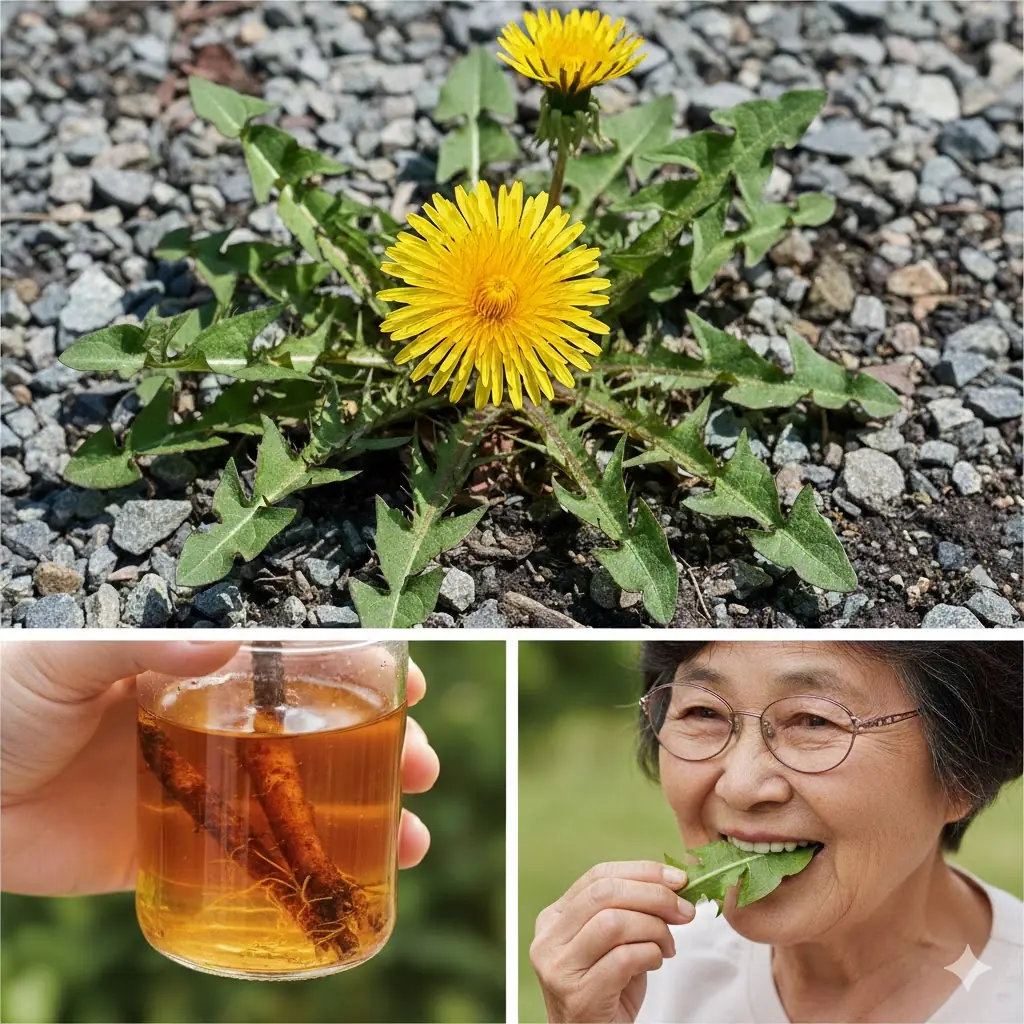
Lactuca serriola, commonly known as prickly lettuce or wild lettuce, is a resilient plant that thrives almost everywhere—along roadsides, in open fields, vacant lots, and even between garden beds. Many people overlook it as a stubborn weed. Yet traditionally, its young leaves have been gathered as both a nourishing wild green and a gentle wellness-supporting food.
Although the mature plant becomes tall, tough, and intensely bitter—with noticeable spines along its stem and leaf midrib—the young leaves harvested early in the season are far milder. When picked at the right stage, they offer impressive nutritional value and subtle therapeutic qualities.
Below is a clear, expanded guide explaining why this humble wild plant deserves far more recognition.
Prickly lettuce belongs to the same botanical family as cultivated garden lettuce, but it contains more pronounced natural compounds. Among its most notable components are:
Lactucin and lactucopicrin (naturally occurring bitter compounds)
Lactucarium (a milky sap traditionally valued for calming properties)
Vitamins and minerals
Antioxidant-rich plant polyphenols
These compounds contribute to the plant’s digestive, calming, antioxidant, and gently detoxifying effects. Unlike highly processed supplements, consuming the young leaves provides these benefits in a milder, food-based form.
The plant contains mild sedative-like compounds that may help ease restlessness, nervous tension, and everyday stress when consumed in small amounts. Traditionally, young leaves were eaten fresh or lightly cooked to promote relaxation without heavy drowsiness.
Like many bitter greens, wild lettuce stimulates digestive secretions. Bitters encourage the release of stomach acid and digestive enzymes, helping the body break down food more efficiently and potentially reducing bloating after meals.
Traditional herbal systems viewed prickly lettuce as a supportive plant for liver function. Its bitter principles and antioxidants may help assist the body’s natural detoxification pathways and waste elimination processes.
Natural plant compounds in the leaves may contribute to balancing inflammation. When included as part of a varied diet rich in greens, they may support joint comfort and overall physical resilience.
Young leaves provide valuable micronutrients, including:
Vitamin A – supports eye health and skin renewal
Vitamin C – aids immune defense and collagen production
Vitamin K – important for blood clotting and bone strength
Potassium – supports heart and fluid balance
Calcium and magnesium – essential for muscles and bones
Though not consumed in large volumes, these nutrients add to overall dietary diversity.
While not a strong sedative when eaten as food, its calming plant compounds may gently support a balanced nervous system. Some individuals report improved sleep quality when incorporating small amounts of the leaves or mild infusions into their routine.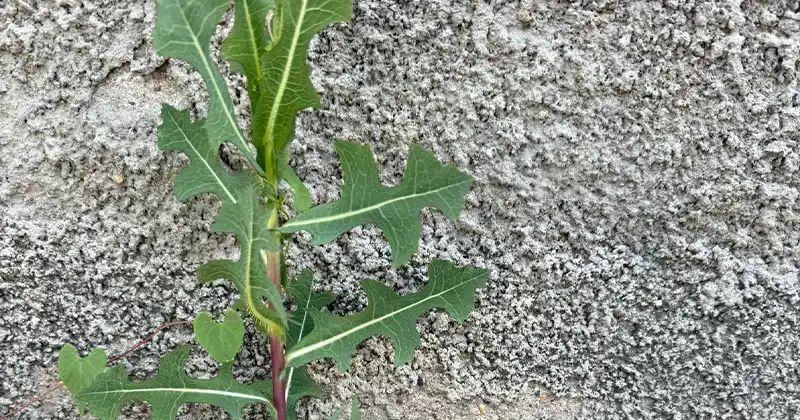
Historically, prickly lettuce was associated with easing minor discomfort. Lactucin and lactucopicrin have been studied for their mild analgesic-like effects. Eating the young leaves offers a very subtle, food-level version of this traditional use.
The plant contains flavonoids and polyphenols that help neutralize oxidative stress. Antioxidants contribute to:
Healthier-looking skin
Slower cellular aging
Protection from environmental stressors
Bitter greens help “reset” the palate. Including them in meals may reduce cravings for overly sweet or heavily processed foods, supporting more balanced eating habits.
Young wild lettuce leaves are:
Low in calories
Naturally high in fiber
Nutrient-dense
This makes them a supportive addition to salads, wraps, soups, or smoothies for those maintaining a healthy weight.
Vitamin C combined with antioxidant compounds helps strengthen everyday immune defenses, particularly during seasonal changes.
Antioxidants and micronutrients found in the leaves may help maintain clearer, more balanced skin by reducing oxidative stress.
Potassium-rich greens support healthy blood pressure levels. Additionally, the plant’s mild diuretic properties may assist with maintaining healthy fluid balance.
Some traditional herbalists used prickly lettuce for gentle respiratory comfort. While mild when eaten as food, the leaves may offer subtle support for clear breathing.
Bitter greens can help moderate post-meal blood sugar fluctuations by slowing carbohydrate absorption and supporting insulin sensitivity.

Choose leaves that are:
Tender
Light green
Mildly bitter (not intensely sharp)
Soft or minimally spined
Avoid older, darker, tougher leaves.
Add just a few leaves to salads, sandwiches, or smoothies. Mixing them with milder greens improves flavor balance.
Blanching the leaves in hot water for 10–15 seconds helps reduce bitterness while preserving much of their nutritional value.
Large quantities may cause digestive upset or nausea due to their strong bitter compounds. Moderation is essential.
Pregnant or breastfeeding women
Individuals allergic to lettuce or other Asteraceae family plants
People taking sedatives, sleep medications, or certain prescription drugs
Anyone with medical conditions should consult a qualified healthcare professional before consuming wild plants regularly.
Though often dismissed as a roadside weed, Lactuca serriola offers a fascinating blend of nourishment and traditional wellness value. When harvested young and used thoughtfully, it becomes more than just a wild plant—it transforms into a functional green that supports digestion, calmness, antioxidant protection, and overall vitality.
For foragers, gardeners, and natural-living enthusiasts, this overlooked species is a reminder that some of the most beneficial plants grow quietly at our feet.
This article is for educational purposes only. While eating small amounts of young leaves is generally considered safe, concentrated extracts or excessive consumption may produce stronger effects. Individuals with health conditions or those taking medication should consult a healthcare professional before incorporating wild plants into their diet.