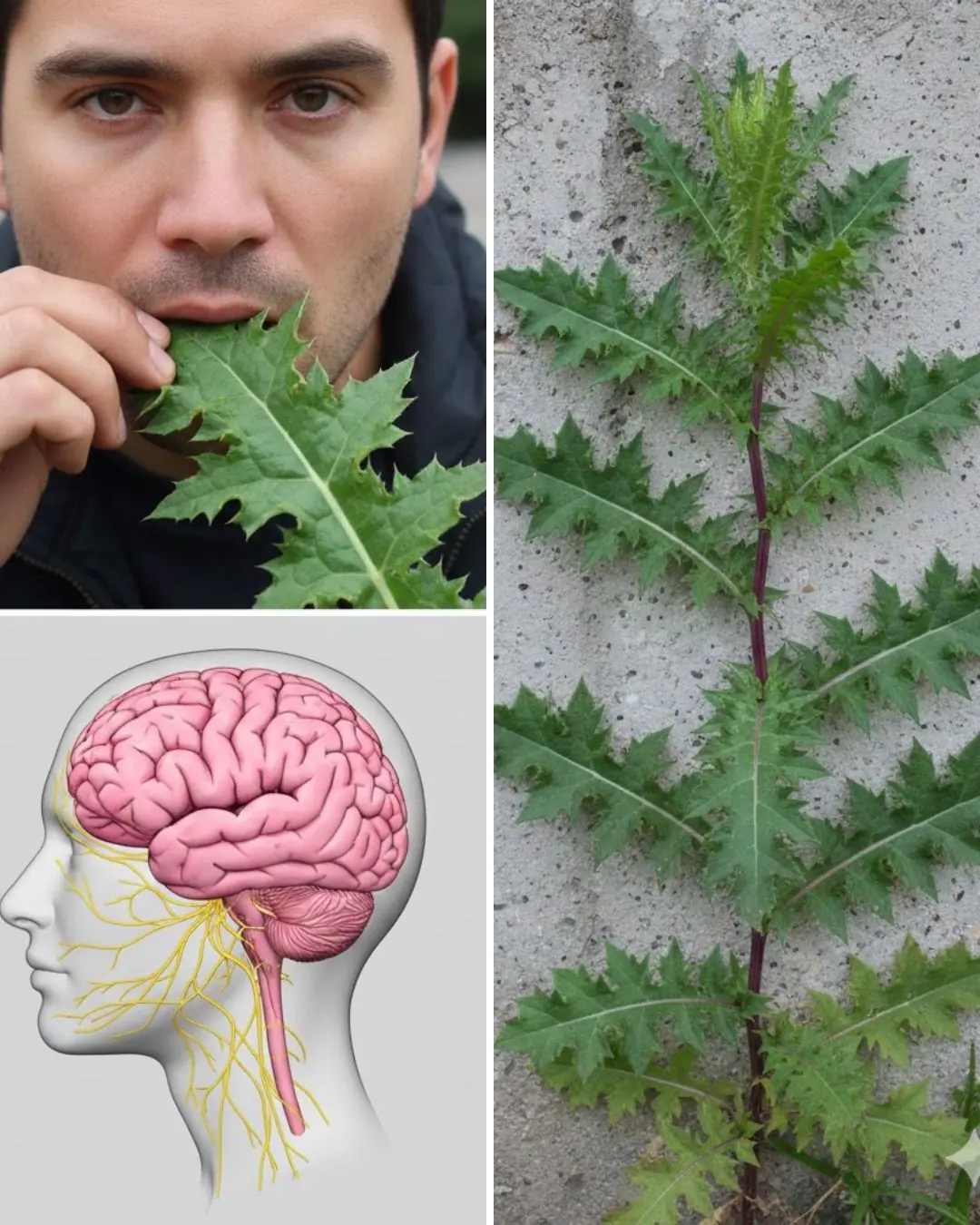
Stinging nettle, scientifically known as Urtica dioica, is one of the most misunderstood wild plants in the natural world. For many people, the first memory of nettle is the sharp, tingling sting it leaves on the skin after accidental contact. Yet beyond that brief discomfort lies one of the most nourishing and restorative plants used in traditional herbal practices for centuries.
Across Europe and North America, nettle has long been valued as both food and medicine. When fresh vegetables were scarce in early spring, nettle was often one of the first green plants to appear, providing vital minerals and strength after long winters. Herbal traditions have relied on it to rebuild vitality, support internal organs, restore resilience, and supply dense nutrition in times of physical depletion.
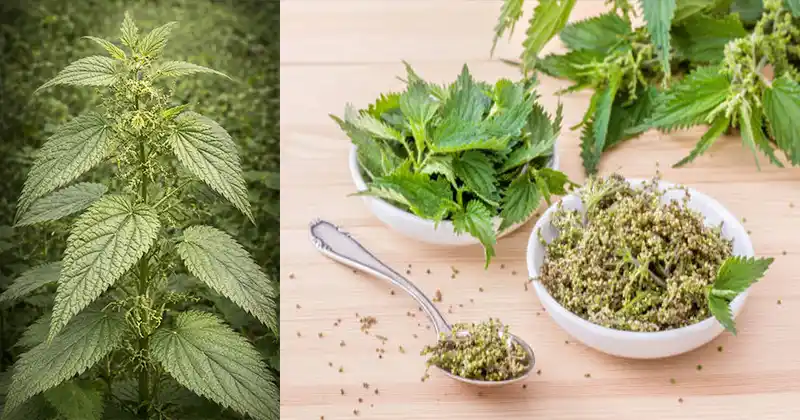
What makes stinging nettle truly remarkable is that different parts of the plant serve different healing roles. The leaves are mineral-rich and cleansing, while the seeds are deeply restorative and energizing. Together, they create one of the most complete medicinal wild plants found in temperate regions.
This guide explores the benefits of both nettle leaves and nettle seeds, along with safe and practical ways to use them at home.
The Power of Stinging Nettle Leaves
Nettle leaves are often described as a “green multivitamin.” They are naturally rich in chlorophyll, iron, calcium, magnesium, potassium, silica, vitamin C, vitamin K, and a wide range of protective plant compounds. Rather than acting as a stimulant, they nourish the body steadily and deeply.
Main Benefits of Nettle Leaves
1. Blood building and iron support
Nettle contains iron along with vitamin C, which improves iron absorption. This combination supports healthy red blood cell production and helps maintain steady vitality.
2. Gentle detoxification
Nettle supports liver and kidney function by encouraging natural elimination. It increases urine flow mildly without irritating the kidneys, making it useful for long-term cleansing support.
3. Joint and muscle comfort
Its anti-inflammatory plant compounds help calm stiffness, sore muscles, and physical tension. Many people use nettle regularly for joint mobility and recovery.
4. Allergy and sinus relief
Traditionally used during seasonal allergies, nettle helps stabilize histamine response and may reduce sneezing, congestion, and watery eyes.
5. Hair and nail strengthening
The high silica and mineral content can improve hair strength and nail resilience when consumed as tea or applied as a rinse.
6. Circulatory support
Nettle promotes healthy blood flow and oxygen delivery throughout the body, supporting overall vitality.
7. Digestive nourishment
It gently tones digestion, stimulates digestive secretions, and supports the intestinal lining.
8. Hormonal balance
Often used for both men and women, nettle leaf supports overall hormonal stability and may ease hormonal fluctuations.
9. Immune nourishment
Rich in antioxidants and vitamins, nettle strengthens natural immune defenses.
10. Sustainable energy
Instead of providing a quick energy spike, nettle builds strength gradually by replenishing mineral stores and supporting organ function.
How to Use Stinging Nettle Leaves
1. Nettle Leaf Tea (Most Common)
Longer steeping increases mineral content and strengthens the tonic effect.
2. Nettle Infusion (Deep Mineral Tonic)
-
2–3 tablespoons dried leaves per 1 liter hot water
-
Cover and steep 4–8 hours
-
Strain and drink throughout the day
This traditional method is especially valued for fatigue, weakness, and mineral depletion.
3. Fresh Leaf Cooking
Young leaves can be boiled or steamed to remove the sting and then used like spinach in soups, omelets, rice dishes, or pesto.
4. Hair Rinse
5. Powdered Leaves
Dried leaves can be ground into powder and added to smoothies, yogurt, soups, or encapsulated for convenient use.
The Power of Stinging Nettle Seeds
Nettle seeds are far less known but highly respected in traditional herbal systems. While the leaves cleanse and nourish, the seeds rebuild and strengthen at a deeper level.
They are considered a restorative tonic for the nervous system, kidneys, adrenal glands, and overall vitality. Unlike caffeine or stimulants, they work gradually to replenish depleted reserves.
Main Benefits of Nettle Seeds
1. Energy restoration
Traditionally used to combat long-term fatigue and burnout.
2. Adrenal support
Helpful during prolonged stress, supporting the body’s stress-response system.
3. Kidney nourishment
Seeds are considered strengthening to kidney vitality and resilience.
4. Brain and nervous system support
They promote focus, mental stamina, and balanced nerve function.
5. Physical endurance
Historically used by laborers and travelers to maintain stamina.
6. Recovery after illness
Assist in rebuilding strength after long periods of sickness.
7. Support during aging
Sometimes referred to as a “youth-supporting” seed due to its restorative qualities.
8. Hormonal vitality
Used in traditional practice to support reproductive health and hormonal balance.
9. Immune resilience
Encourages steady, long-term immune strength.
10. Deep cellular nourishment
Seeds help rebuild energy reserves slowly and safely without overstimulation.
How to Use Stinging Nettle Seeds
1. Raw Consumption (Traditional Method)
2. Seed Powder
Grind dried seeds and add to:
-
Smoothies
-
Oatmeal
-
Warm water
-
Capsules
3. Seed Tincture
Seeds may be soaked in alcohol for several weeks to extract active compounds, creating a concentrated tonic used in small daily amounts.
4. Light Seed Infusion
This method is milder and suitable for sensitive individuals.
Leaves vs. Seeds – Two Forms of Strength
| Part |
Primary Role |
Type of Power |
| Leaves |
Cleanse & nourish |
Minerals, detox, blood, joints, immunity |
| Seeds |
Restore & strengthen |
Energy, kidneys, nerves, hormones |
Together, they form a complete herbal system. The leaves rebuild the body’s foundation through mineral nourishment and gentle detoxification. The seeds recharge deeper reserves, especially during stress, aging, or recovery.
Harvesting and Safety Tips
-
Harvest young leaves in spring or early summer.
-
Harvest seeds when they turn green to brown and begin drying on the plant.
-
Always dry nettle before storage to neutralize the sting.
-
Wear gloves when harvesting fresh plants.
-
Start with small amounts to assess tolerance.
People taking blood thinners, blood pressure medication, or diuretics should consult a healthcare professional before regular use. Individuals who are pregnant, nursing, or managing chronic health conditions should also seek professional guidance.
Stinging nettle is far more than a stinging weed. It is a complete natural system of nourishment and renewal. The leaves offer daily support for blood health, mineral balance, detoxification, joints, digestion, and immune strength. The seeds provide deeper restoration for energy, kidneys, nerves, and long-term resilience.
Few wild plants offer such a broad spectrum of benefits through both their green leaves and tiny seeds. When used thoughtfully and safely, stinging nettle becomes not only gentle and reliable—but one of the most powerful plant allies for maintaining strength, balance, and vitality in modern life.
Disclaimer: This article is for educational purposes only and does not replace professional medical advice. Always consult a qualified healthcare provider before beginning any herbal regimen.