Liver Cancer: These 2 Bathroom Symptoms You Should Never Ignore
Health 23/06/2026 18:59
Your kidneys work around the clock to filter waste, balance fluids, regulate blood pressure, and maintain healthy levels of minerals in your body. Unfortunately, kidney disease often develops silently, with symptoms appearing only after significant damage has already occurred.
Recognizing the early warning signs can help you seek treatment sooner and potentially prevent serious complications, including the need for dialysis.
One of the earliest and most common signs of declining kidney function is constant fatigue. Healthy kidneys produce a hormone called erythropoietin, which helps the body make red blood cells. When kidney function decreases, fewer red blood cells may be produced, leading to anemia.
Symptoms may include:
✅ Constant tiredness
✅ Low energy
✅ Difficulty concentrating
✅ Feeling weak even after rest
If fatigue becomes persistent without a clear cause, it may be worth discussing kidney health with your doctor.
Damaged kidneys may struggle to remove excess fluid and sodium from the body. This can result in swelling, particularly in:
Feet
Ankles
Legs
Hands
Face
Swelling that continues for days or frequently returns should never be ignored.
Your urine can provide important clues about kidney function. Possible warning signs include:
Urinating more often at night
Reduced urine output
Foamy urine
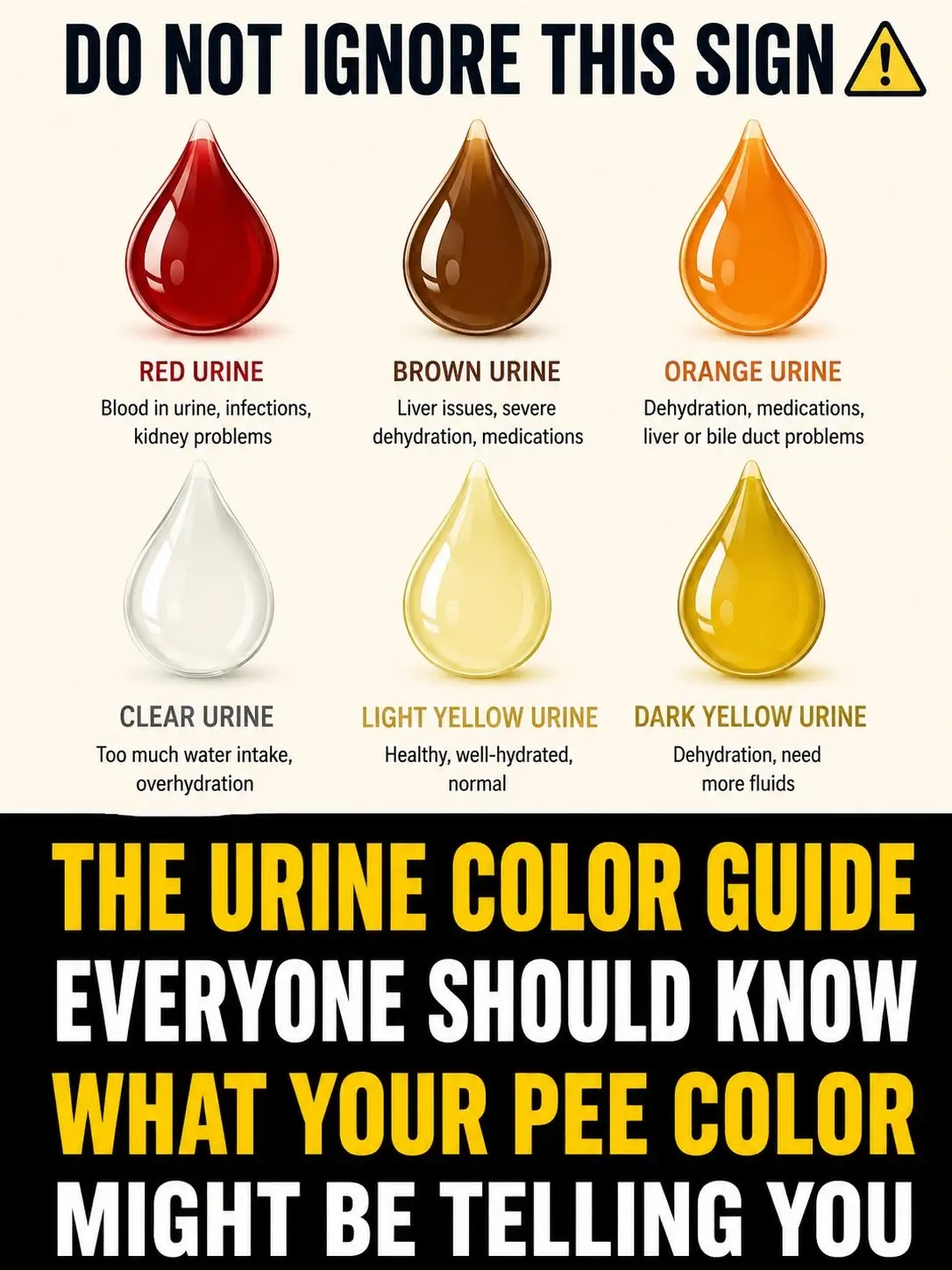
Dark-colored urine
Blood in the urine
Difficulty urinating
Because the kidneys are directly responsible for urine production, changes often appear early in kidney disease.
Protein should normally remain in the bloodstream. When kidney filters become damaged, protein may leak into urine. This loss of protein can sometimes cause:
Puffy eyelids
Swelling around the eyes
Facial puffiness, especially in the morning
Many people mistake this symptom for simple fatigue or aging.
Healthy kidneys help maintain the proper balance of minerals and nutrients. As kidney function declines, waste products may build up in the bloodstream, sometimes leading to:
Dry skin
Persistent itching
Skin irritation
Severe itching can occur in more advanced kidney disease.
Electrolyte imbalances caused by kidney dysfunction can contribute to:
Muscle cramps
Muscle twitching
Leg cramps, especially at night
Abnormal levels of calcium, potassium, or phosphorus may play a role.
As waste products accumulate in the body, some people experience digestive symptoms. Common complaints include:
Reduced appetite
Nausea
Vomiting
Unexplained weight loss
Metallic taste in the mouth
These symptoms often become more noticeable as kidney function worsens.
Kidney disease may contribute to breathing difficulties in two ways:
Fluid Build-Up: Excess fluid can accumulate in the lungs.
Anemia: Reduced oxygen-carrying capacity due to anemia can make breathing feel more difficult.
Shortness of breath should always be evaluated by a healthcare professional.
Certain groups have a higher risk of kidney disease, including people with:
Type 2 Diabetes
Hypertension (High blood pressure)
Heart disease
Obesity
Family history of kidney disease
Smoking history
Regular screening is especially important for these individuals.
Simple habits can help maintain kidney health:
✅ Stay Hydrated: Drink adequate fluids unless otherwise directed by your doctor.
✅ Control Blood Pressure: High blood pressure is a leading cause of kidney damage.
✅ Manage Blood Sugar: Proper diabetes control helps protect kidney function.
✅ Maintain a Healthy Weight: Healthy lifestyle habits support long-term kidney health.
✅ Avoid Excessive Use of Painkillers: Long-term overuse of certain medications (like NSAIDs) can damage the kidneys.
✅ Get Regular Checkups: Routine blood and urine tests can identify problems before symptoms develop.