Liver Cancer: These 2 Bathroom Symptoms You Should Never Ignore
Health 23/06/2026 18:59
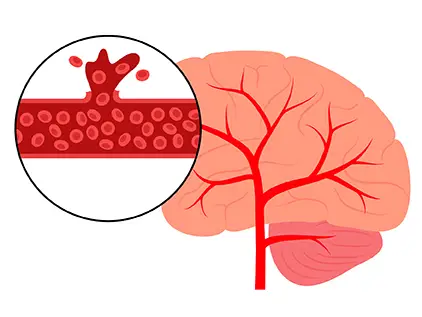
A stroke happens when the blood supply to part of your brain is suddenly cut off. This can affect movement, speech, or thinking, and recovery often takes time. It’s a serious medical emergency that needs immediate hospital care, as it can be life-threatening.
According to NHS, the main symptoms of stroke, which can happen suddenly, include:
The impact of a stroke varies based on its location in the brain and the extent of the affected area, Stroke Association explains.
The good thing is that nearly 80% of strokes are avoidable, according to research, and while there are risk factors that you can’t change, such as ethnicity, genetic factors such as a family history of certain diseases or conditions that increase the risk of stroke, sex, or older age, prevention, at least to some extent, is possible.
A “sleep stroke” is the common term for what doctors call a wake-up stroke, Healthline notes. It refers to a stoke that happens while the person is asleep. So, basically, they go to sleep perfectly healthy but wake up experiencing stroke symptoms. Since the person is asleep, they are not aware at exactly what point the stroke occurred.
As per Frontiers, wake-up strokes are surprisingly common, accounting for roughly 15% to 25% of all acute ischemic strokes (strokes caused by a blood clot blocking blood flow to the brain).
If you or someone else wakes up with these symptoms, it requires immediate emergency medical attention. Do not try to roll over and “sleep it off.”
While strokes can happen at any time, certain biological changes that happen during sleep can act as triggers:
Blood Pressure Shifts: Blood pressure naturally changes and often surges right before we wake up in the early morning hours.
Increased Blood Clotting: Platelets (the cells that help blood clot) tend to be stickier, and blood is slightly thicker in the early morning.
Obstructive Sleep Apnea (OSA): This is a massive risk factor. Sleep apnea causes a person to repeatedly stop breathing at night, cutting off oxygen delivery and causing sudden spikes in blood pressure that strain the heart and brain.
After eating, your body balances insulin and glucose levels, and before bed, it switches to repair mode, lowering blood pressure and preparing for the next day. So, late-night eating and snacking, alcohol, or poor sleep can disrupt this and raise the risk of heart problems and stroke. Here are some tips to help prevent it.
Don’t Nap or Lie Down After Eating
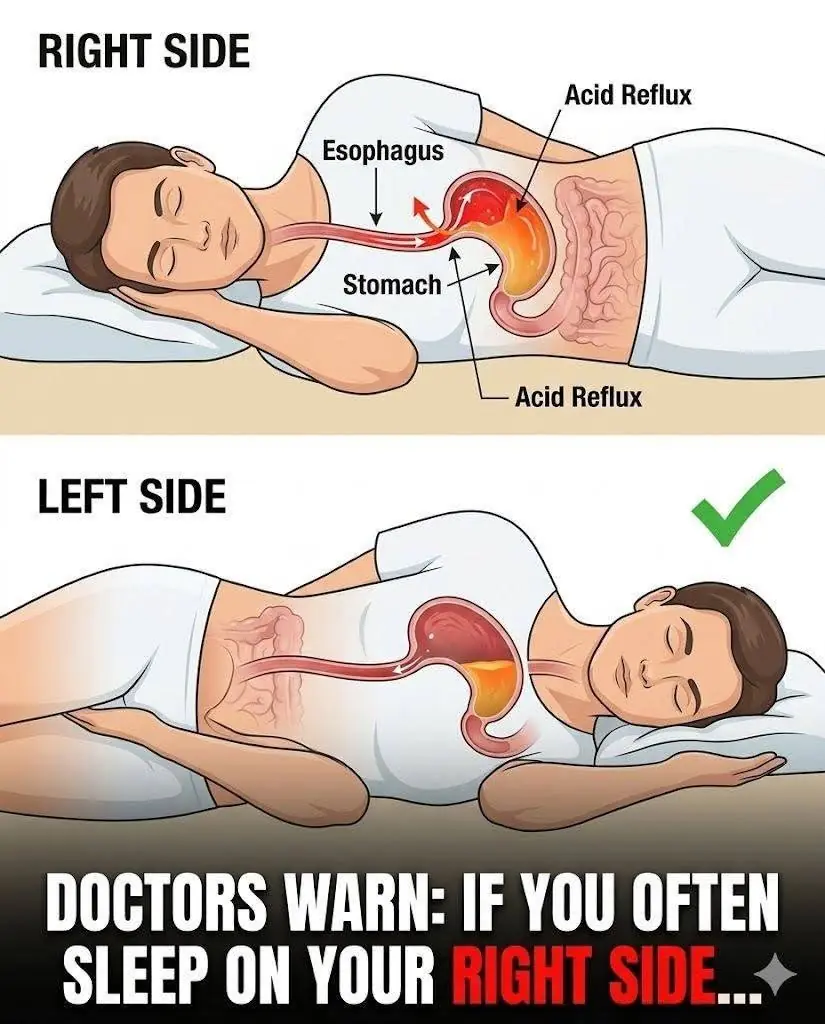
Most people feel the urge to take a nap or lie down after a meal, and although it feels nice,lying down too soon can cause acid reflux and disturb sleep. Instead, try to stay upright for two to three hours and avoid eating shortly before bedtime.
 Pexels
Take a Little Walk Instead
A study published in Scientific Reports found that a 10-minute walk after eating can significantly lower blood sugar spikes compared to sitting still or napping. Regular walking also supports healthy weight, cholesterol, and blood pressure—key factors in reducing stroke risk and boosting energy after meals.
Don’t Take a Bath Immediately After Eating
Following a meal, blood flows to the stomach to process food, and if you bathe immediately after a meal, blood diverts to the skin instead, which weakens digestion and stresses the cardiovascular system. In severe cases, this imbalance can cause dizziness, stroke, or even heart failure.
Avoid Alcohol Before Going to Bed
A glass of wine may seem harmless, but drinking before bed can raise nighttime blood pressure and disrupt sleep. Research shows heavy drinkers have higher blood pressure and greater risks of hypertension, arrhythmia, and stroke.
 Pexels
Don’t Have Your Dinner Late
In the evening, your body naturally starts winding down and eating late forces your digestion and insulin to keep working. This can raise blood sugar, cause reflux, and make it harder to sleep. Make sure you have your last meal two to three hours before bed for better sleep and metabolism. If you must eat late, choose something light so your organs don’t need to work overtime.
The Importance of Keeping a Regular Bedtime Schedule
According to research, irregular sleep patterns can increase the risk of heart problems, even if you get enough total sleep. Try to get 7 to 9 hours of sleep each night and stick to a regular schedule for going to bed and waking up. If your schedule allows it, create your own relaxing routine like showering or reading to signal your brain it’s time to rest. If you usually go to bed late, start shifting your bedtime by 15 minutes each night.
 Pexels
Limit or Eliminate Caffeine Before Bed
Caffeine can ruin a good night’s sleep, even if you drink it six hours before bed. Try cutting it off by late afternoon to sleep better and lower your risk of heart disease and stroke.