Liver Cancer: These 2 Bathroom Symptoms You Should Never Ignore
Health 23/06/2026 18:59
When your blood sugar (glucose) levels are consistently too high, it can lead to a condition known as hyperglycemia. If left unmanaged, this can eventually develop into type 2 diabetes or cause long-term damage to your blood vessels and organs. Spotting the symptoms early is crucial. Here are the 7 early signs of high blood sugar you shouldn't ignore:
If you find yourself constantly reaching for water but never feeling truly hydrated, it could be a sign of high blood sugar. When there is too much glucose in your blood, your body tries to dilute it by pulling fluid from your tissues, leaving you feeling chronically thirsty.
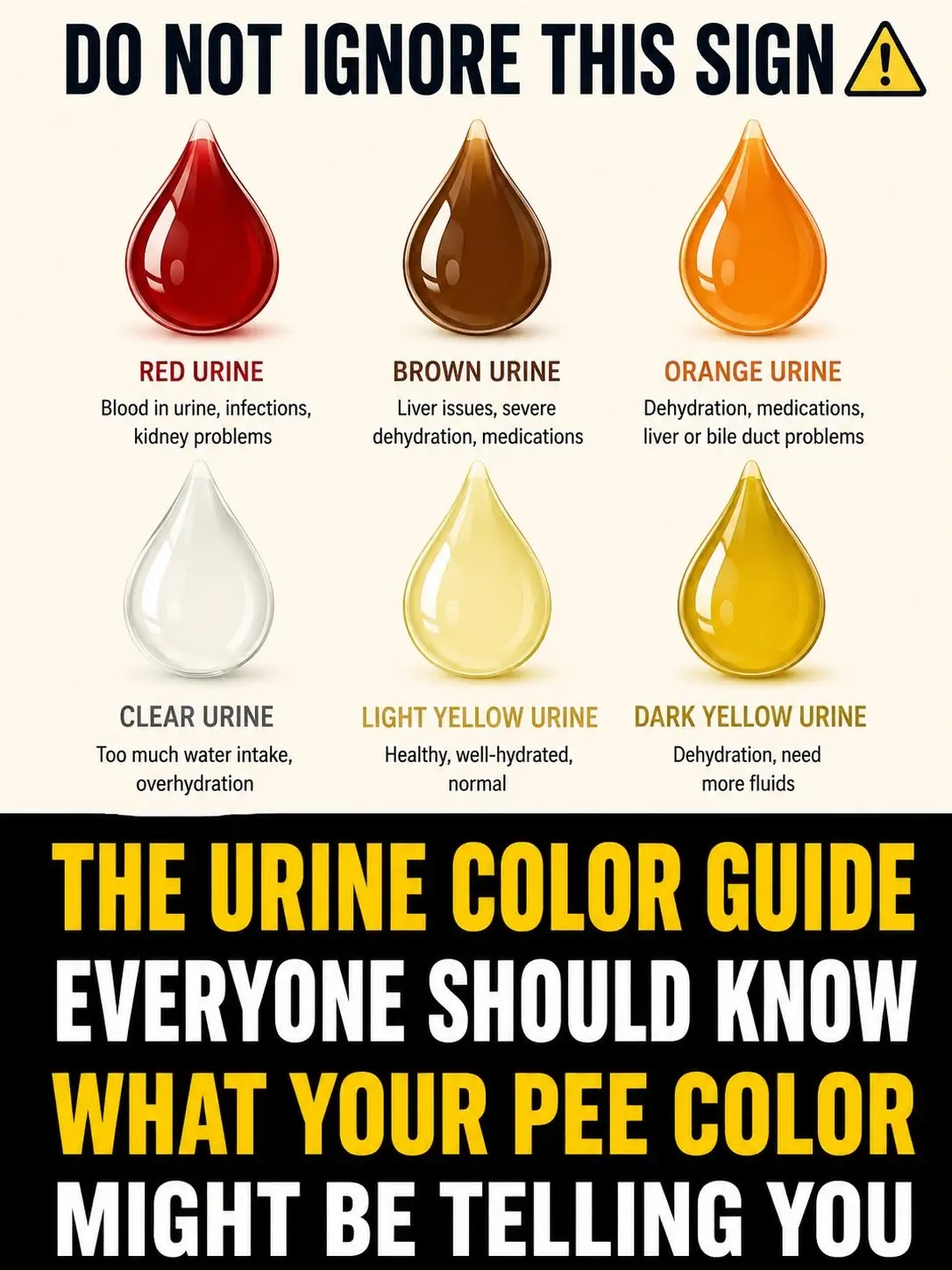
As a direct result of increased fluid intake and the body's attempt to flush out excess sugar, your kidneys have to work overtime. They filter the extra glucose, which ends up in your urine, dragging more water along with it. This often means making multiple trips to the bathroom, especially during the night.
Feeling exhausted even after getting a full night's sleep? When blood sugar levels are high, it means the glucose is staying in your bloodstream instead of entering your cells to be converted into energy. Essentially, your body's cells are starving for fuel, which leaves you feeling drained and weak.
High levels of glucose in the blood can draw fluid out of the lenses of your eyes. This causes the lenses to swell, affecting their ability to focus properly. If you notice temporary or sudden blurriness in your vision, it might be related to fluctuating blood sugar levels.
Because your cells aren't getting the glucose they need for energy, they constantly send "hungry" signals to your brain. You might feel a persistent urge to eat or experience intense sugar cravings, even shortly after finishing a hearty meal.
Elevated blood sugar can impair blood circulation and damage your body's natural defense mechanisms. As a result, even minor cuts, scrapes, or bruises can take weeks or months to heal properly, making you more susceptible to frequent infections.
Over time, high blood sugar can cause nerve damage, a condition known as diabetic neuropathy. This typically starts as a faint tingling, mild burning sensation, or numbness in your fingers and toes, which can gradually spread upward if the blood sugar is not brought under control.
Experiencing one or two of these symptoms does not automatically mean you have diabetes, but it is a clear warning sign from your body. If you notice these signs persisting, the best step is to visit a healthcare provider for a simple fasting blood glucose test or an HbA1c test to get an accurate diagnosis.