8 Key Symptoms of Kidney Failure You Should Never Ignore
Health 23/06/2026 18:49
The liver is one of the hardest-working organs in the human body. It filters toxins, processes nutrients, produces essential proteins, and helps digest fats. Because the liver can continue functioning even when damaged, liver disease often develops silently for months or even years before obvious symptoms appear.
That's why paying attention to subtle changes—especially those you notice in the bathroom—can be important. While most bathroom-related symptoms are caused by far less serious conditions, certain persistent changes may indicate liver dysfunction and deserve medical evaluation.
It is important to remember that these symptoms do not automatically mean liver cancer. However, they can sometimes signal liver disease, bile duct obstruction, cirrhosis, hepatitis, or other conditions that require attention.
The liver produces bile, a digestive fluid that helps break down fats and remove waste products from the body.
One of these waste products is bilirubin, a yellow pigment created when red blood cells are broken down.
Normally:
The liver processes bilirubin.
Bile carries it into the intestines.
The body eliminates it through stool.
When liver function becomes impaired, changes may appear in both urine and bowel movements.
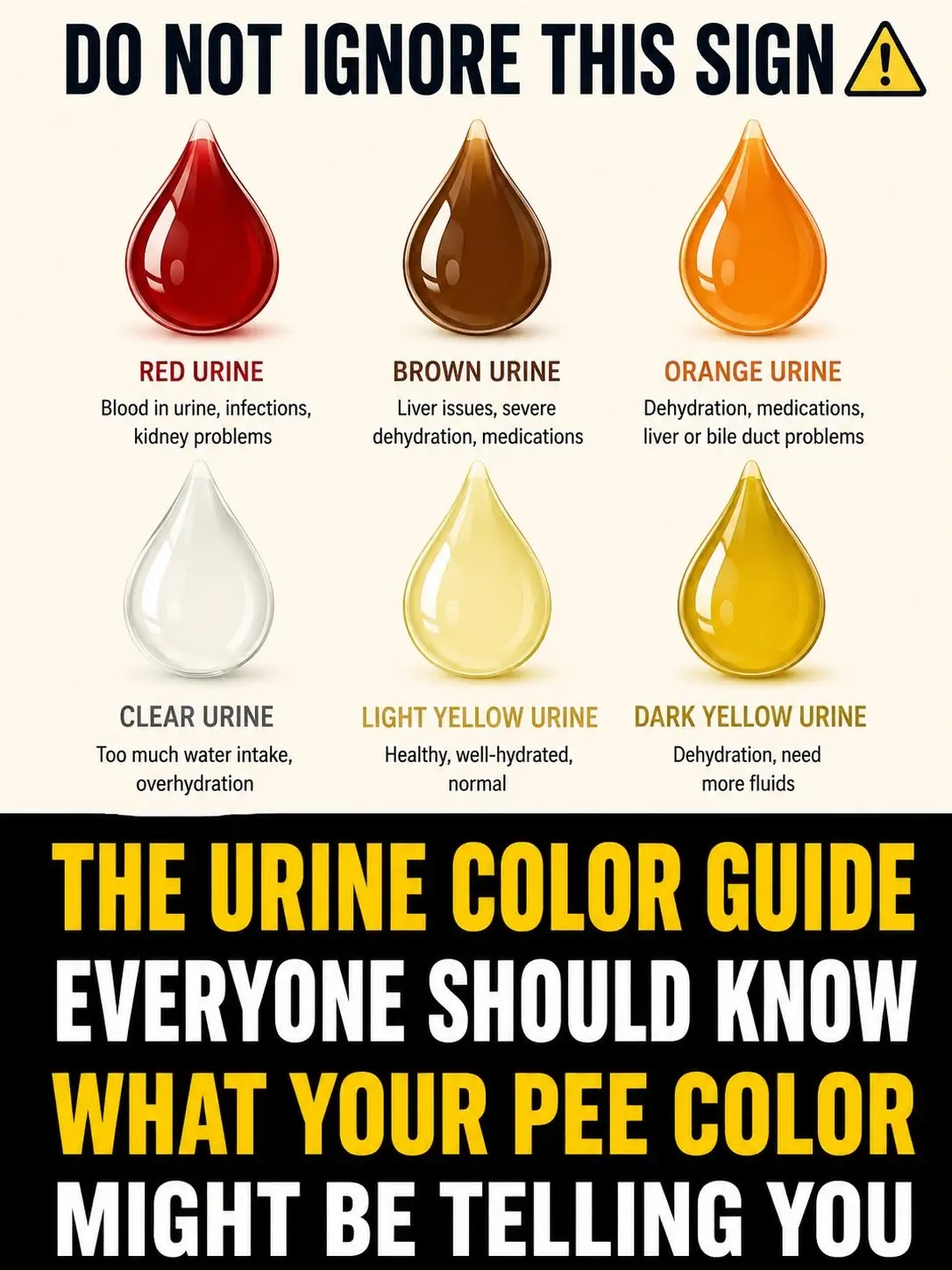
One of the earliest signs of liver dysfunction can be urine that appears:
Dark yellow
Amber-colored
Brownish
Tea-colored
Even when a person drinks adequate amounts of water, the urine may remain unusually dark.
When the liver cannot properly process bilirubin, excess bilirubin may enter the bloodstream and eventually be filtered by the kidneys.
This causes urine to become noticeably darker than normal.
Dark urine is not always related to liver disease.
Common causes include:
Dehydration
Certain medications
Vitamin supplements
Intense exercise
Urinary tract infections
However, persistent dark urine accompanied by other symptoms should not be ignored.
Healthy stool is typically brown because of bile pigments produced by the liver.
When bile flow becomes reduced or blocked, stool may appear:
Pale
Gray
Clay-colored
Light tan
This change can sometimes indicate a problem affecting the liver, gallbladder, or bile ducts.
Without sufficient bile reaching the intestines, stool loses its normal brown coloration.
Conditions that may contribute include:
Liver disease
Bile duct obstruction
Gallstones
Hepatitis
Certain liver tumors
A single episode may not be concerning, but repeated occurrences warrant medical evaluation.
Bathroom-related changes often occur alongside other warning signs.
These may include:
This occurs when bilirubin accumulates in the bloodstream.
Persistent exhaustion is one of the most common symptoms reported in chronic liver disease.
People may feel full quickly or lose interest in food.
Unexpected weight loss should always be discussed with a healthcare provider.
Fluid accumulation in the abdomen may occur in advanced liver disease.
Several factors increase the risk of developing liver problems:
Chronic hepatitis B or C infection
Excessive alcohol consumption
Obesity
Type 2 diabetes
Fatty liver disease
Family history of liver disease
Exposure to certain toxins
People with these risk factors should be especially aware of persistent symptoms.
Unfortunately, liver cancer often produces few symptoms during its earliest stages.
When symptoms do appear, they may include:
Persistent abdominal discomfort
Weight loss
Fatigue
Jaundice
Dark urine
Pale stools
However, these symptoms can also be caused by many noncancerous liver conditions.
That is why medical testing is essential for determining the true cause.
Seek medical advice if you experience:
Persistent dark urine despite hydration
Repeated pale or clay-colored stools
Yellowing of the eyes or skin
Unexplained fatigue
Ongoing abdominal discomfort
Unintentional weight loss
Loss of appetite
A healthcare provider may recommend:
Blood tests
Liver function tests
Ultrasound
CT scan
MRI
Additional diagnostic evaluations
Simple habits can help support liver health:
Maintain a healthy weight
Limit alcohol consumption
Avoid smoking
Exercise regularly
Follow a balanced diet
Get vaccinated against hepatitis when appropriate
Attend regular health checkups
Early detection is often the most effective tool in managing liver disease.
Your bathroom habits can sometimes provide valuable clues about your overall health. Persistent dark urine and pale or clay-colored stools are two symptoms that may indicate problems involving the liver or bile ducts and should not be overlooked.