Could a Simple Bedtime Drink with Three Common Ingredients Support Your Heart Health?
Health 02/01/2026 14:25
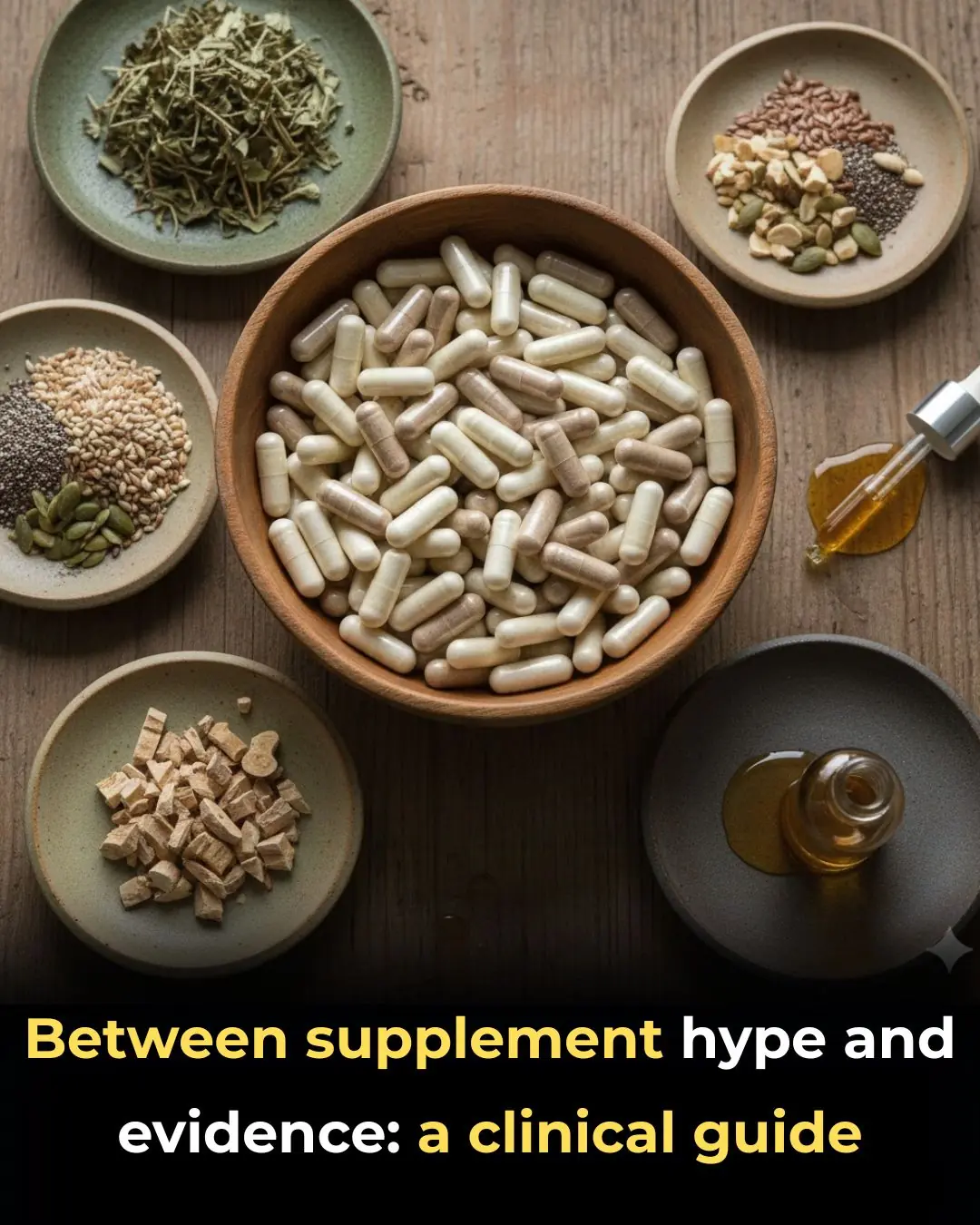
Demand for dietary supplements — including vitamins, minerals, and botanical products — continues to rise rapidly in clinical practice. Driven largely by aggressive marketing, social media influence, and growing public interest in “natural” health solutions, many patients now view supplements as essential tools for disease prevention and overall wellness. However, scientific evidence often fails to support the high expectations surrounding these products, particularly for individuals who already follow balanced diets.
For clinicians, this growing popularity presents both challenges and opportunities: challenges in correcting misinformation and preventing unnecessary or harmful use, and opportunities to guide patients toward evidence-based decisions.
Dietary supplements are widely perceived as safe, natural, and beneficial. Patients frequently assume that taking vitamins or herbal products can enhance immunity, improve energy, prevent chronic disease, or compensate for dietary shortcomings. As a result, many individuals self-prescribe supplements without professional guidance.
In reality, for most healthy people with adequate nutrition, routine supplementation offers little additional benefit. Large clinical trials have repeatedly shown that many commonly used vitamins and minerals do not significantly reduce the risk of cardiovascular disease, cancer, or overall mortality when taken by individuals without documented deficiencies.
One of the major concerns surrounding supplements is the inconsistency of scientific evidence. While some nutrients are clearly beneficial in specific deficiency states, evidence supporting widespread use in the general population remains limited or inconclusive.
Product quality adds another layer of complexity. Unlike prescription medications, dietary supplements are not subject to rigorous pre-market approval in many countries. This can result in:
Variable ingredient concentrations
Contamination with heavy metals or undeclared pharmaceuticals
Mislabeled or misleading claims
Such inconsistencies make it difficult for clinicians and patients alike to determine which products are safe and effective.
Despite the limitations, supplements can play an important role in certain clinical scenarios. Evidence supports targeted supplementation in populations at risk for deficiency, including:
Vitamin D in individuals with limited sun exposure or bone health concerns
Iron in patients with confirmed iron-deficiency anemia
Vitamin B12 in older adults or those following strict plant-based diets
Folic acid during pregnancy to prevent neural tube defects
In these cases, supplementation should be guided by clinical evaluation, laboratory testing when appropriate, and individualized patient needs.
When supplementation is indicated, clinicians can help patients choose safer options by recommending products that:
Have third-party quality testing or certification
Provide clear ingredient lists and standardized dosages
Avoid exaggerated or disease-curing claims
Are produced by reputable manufacturers
Encouraging patients to disclose all supplement use is also critical, as some products may interact with prescription medications or exacerbate underlying conditions.
Many supplements marketed for “immune boosting,” “detoxification,” or rapid disease prevention lack credible scientific backing. In some cases, these products may create false reassurance, delay proper medical care, or expose patients to unnecessary risks.
Clinicians play a vital role in helping patients understand that “natural” does not automatically mean “safe” or “effective,” and that more is not always better when it comes to supplementation.
As supplement use becomes increasingly mainstream, evidence-based guidance is essential. Clinicians should aim to engage patients in open, nonjudgmental discussions, focusing on realistic expectations, scientific evidence, and personalized care.
This clinical series reviews the data behind commonly used supplements and provides practical strategies for:
Evaluating supplement claims
Identifying when supplementation is truly beneficial
Selecting high-quality products
Avoiding unnecessary or potentially misleading interventions
By bridging the gap between supplement hype and scientific evidence, healthcare professionals can empower patients to make informed choices that support genuine health benefits rather than marketing promises.