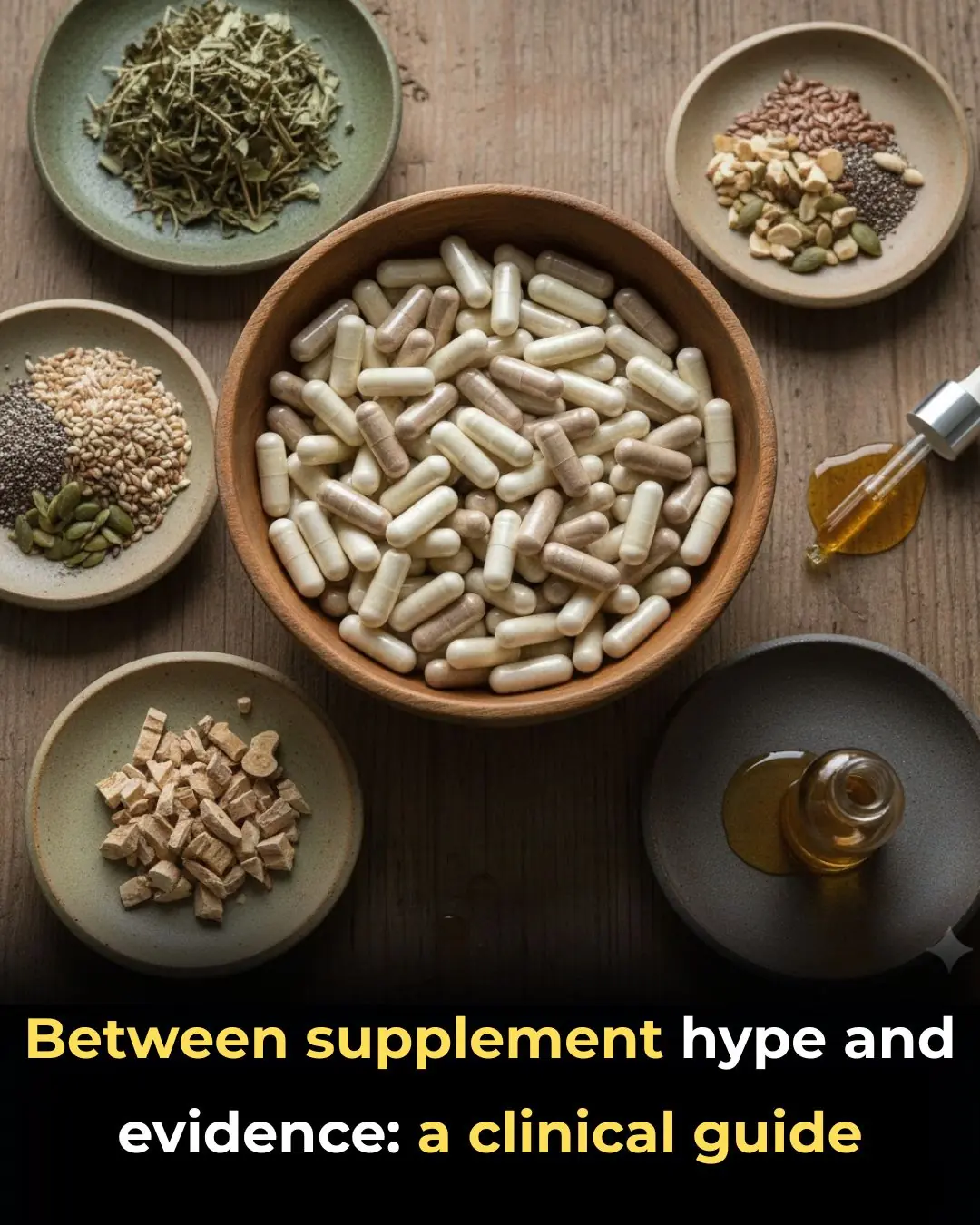
Between Supplement Hype and Evidence: A Clinical Guide for Informed Use
Health 02/01/2026 11:49
As people age, maintaining cardiovascular health becomes an increasingly important concern. Many adults over the age of 50 begin to notice subtle changes such as reduced energy levels, occasional leg heaviness, or worries about circulation and cholesterol. These shifts are often linked to natural aging processes, lifestyle factors, and cumulative exposure to oxidative stress and inflammation. As a result, there is growing interest in simple, food-based habits that may gently support heart health alongside conventional medical care.
Cardiovascular aging is closely associated with changes in blood vessels, including reduced elasticity, plaque accumulation, and impaired endothelial function. Research indicates that oxidative stress and chronic low-grade inflammation play central roles in the development of hypertension and atherosclerosis (bold: Libby, 2002, Nature Reviews Cardiology). While medication and structured exercise remain cornerstone interventions, dietary components rich in antioxidants and bioactive compounds may offer complementary benefits.
Garlic, lemon, and ginger have a long history of use in traditional wellness practices, and modern research has begun to clarify their potential cardiovascular effects. Garlic (Allium sativum) contains sulfur-containing compounds such as allicin, which have been shown to promote vasodilation and improve blood vessel function. Meta-analyses of randomized controlled trials suggest that garlic supplementation can lead to modest reductions in both systolic blood pressure and total cholesterol levels (bold: Ried et al., 2013, Nutrition Reviews).
Lemon, a citrus fruit rich in vitamin C and flavonoids, contributes antioxidant protection that may help limit oxidative damage to blood lipids. Oxidized low-density lipoprotein (LDL) is a key contributor to plaque formation in arteries. Studies have shown that higher intake of vitamin C and citrus flavonoids is associated with improved lipid profiles and reduced cardiovascular risk (bold: Ellulu et al., 2017, Journal of Clinical Nutrition).
Ginger (Zingiber officinale) is valued for its active compounds, particularly gingerol, which exhibit anti-inflammatory and circulation-enhancing properties. A meta-analysis published in Phytotherapy Research found that ginger consumption was associated with improvements in blood pressure and markers of metabolic health in certain populations (bold: Maharlouei et al., 2020, Phytotherapy Research). Improved circulation and reduced inflammation may indirectly support overall cardiovascular function.
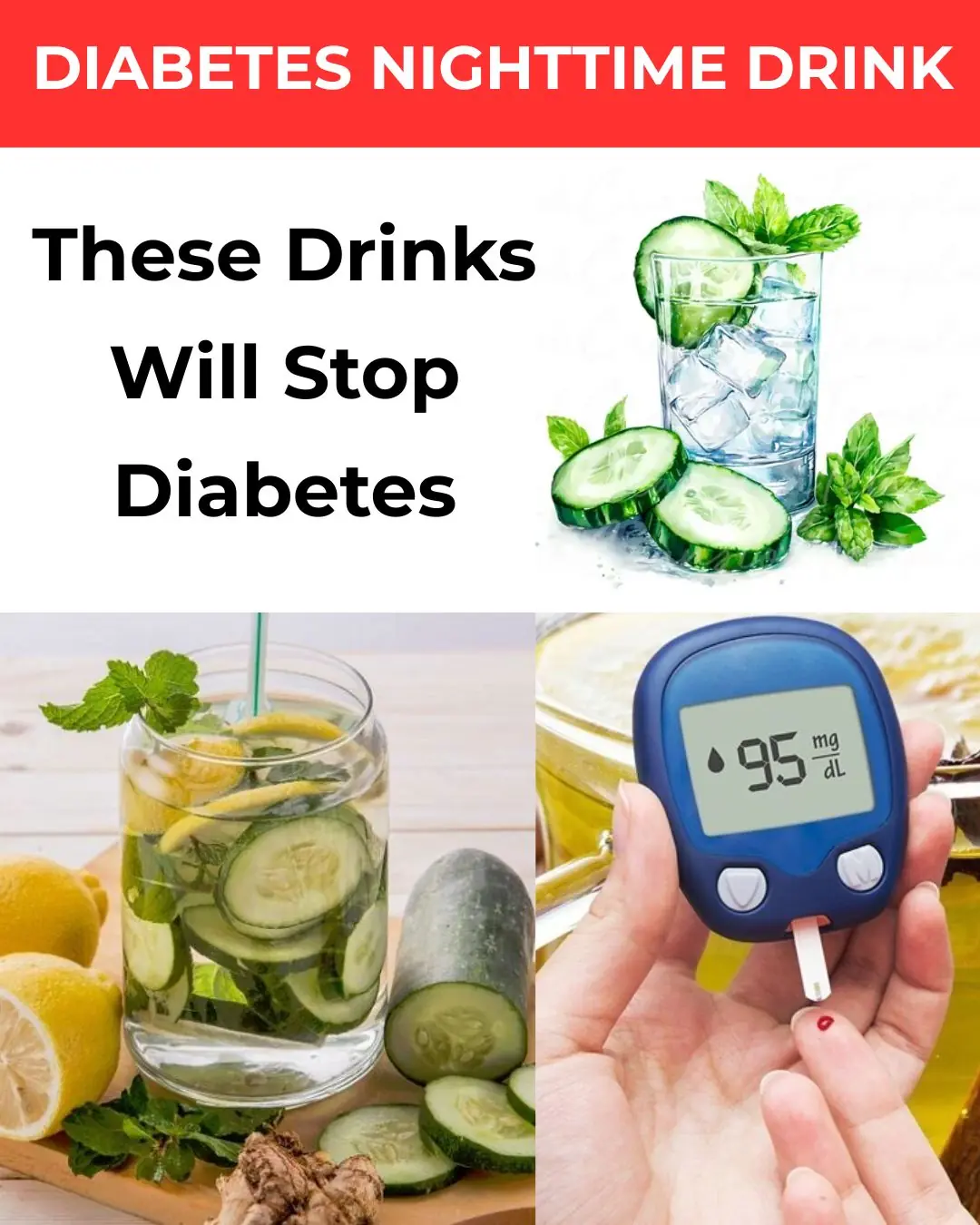
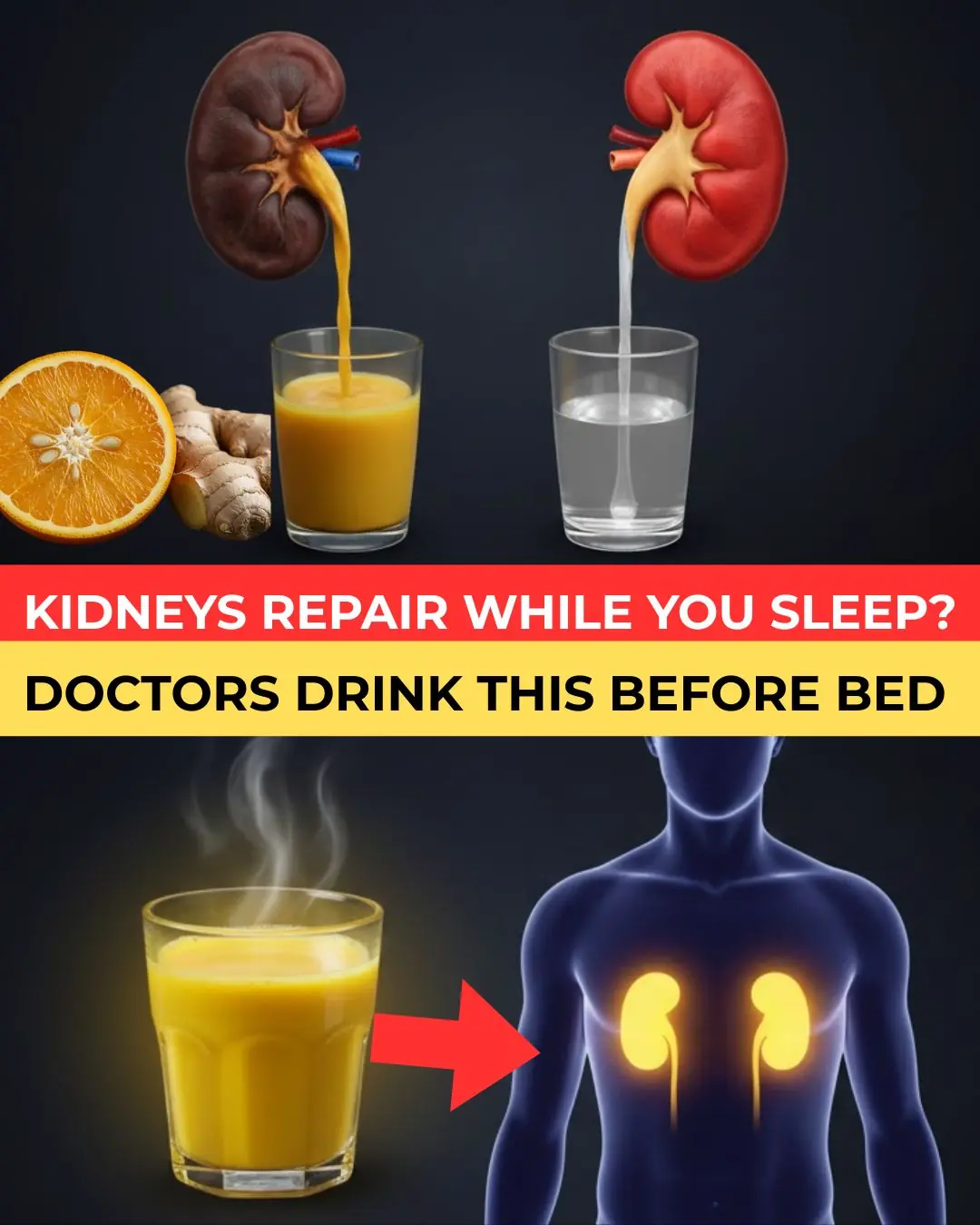
When combined into a warm bedtime drink, garlic, lemon, and ginger may offer a synergistic blend of antioxidants and bioactive compounds. Consuming such a drink in the evening can also function as a calming ritual, which may indirectly benefit heart health by supporting relaxation and stress reduction. Chronic stress has been strongly linked to elevated blood pressure and cardiovascular disease risk (bold: Steptoe & Kivimäki, 2013, Nature Reviews Cardiology).
It is important to emphasize that this drink should be viewed as a supportive habit rather than a treatment. Individuals taking blood-thinning medications or managing conditions such as acid reflux should consult a healthcare professional, as garlic and ginger can interact with certain drugs. Scientific evidence supports modest benefits, but individual responses vary, and dietary approaches work best when combined with balanced nutrition, physical activity, and regular medical check-ups.
In conclusion, a simple bedtime drink made with garlic, lemon, and ginger represents a low-cost, accessible way to explore dietary support for heart health. Backed by emerging research on their individual cardiovascular benefits, this traditional combination may contribute to better circulation and antioxidant protection over time. While not a substitute for medical care, small, consistent habits such as this can play a meaningful role in long-term cardiovascular wellness when integrated into a healthy lifestyle.