Could a Simple Bedtime Drink with Three Common Ingredients Support Your Heart Health?
Health 02/01/2026 14:25
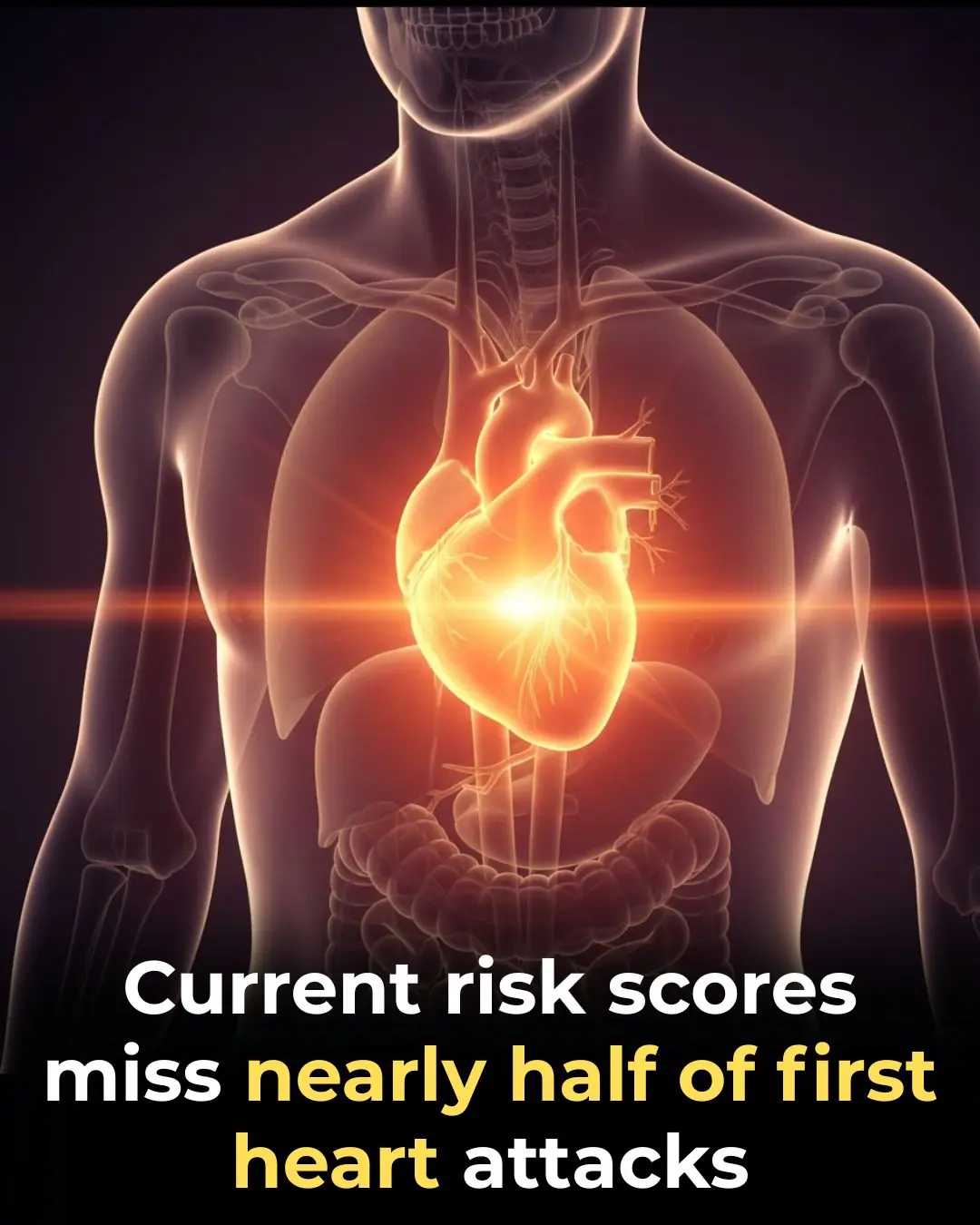
A new study has raised serious concerns about the effectiveness of current cardiac risk assessment tools, revealing that nearly half of people who experience a first myocardial infarction (MI), commonly known as a heart attack, were previously classified as having low or borderline cardiovascular risk.
The findings suggest that widely used screening methods — including both traditional and newer risk calculators for atherosclerotic cardiovascular disease (ASCVD) — may fail to identify a large proportion of individuals who are actually at imminent risk of a heart attack.
Cardiovascular risk calculators are designed to estimate a person’s likelihood of developing heart disease over a 10-year period. These tools typically factor in age, cholesterol levels, blood pressure, smoking status, and diabetes. Based on the calculated risk, clinicians decide whether preventive measures such as statin therapy, lifestyle interventions, or further diagnostic testing are warranted.
However, the new study found that nearly half of patients who went on to suffer a first MI had risk scores that fell into the low or borderline categories under both standard and updated ASCVD calculators. As a result, many of these individuals would not have qualified for statins or additional cardiovascular testing if they had been evaluated shortly before their heart attack.
One of the most striking findings was how suddenly symptoms emerged. Most patients developed warning signs — such as chest discomfort, shortness of breath, or fatigue — within just 48 hours before the heart attack occurred.
If these individuals had been assessed only two days earlier, when they were still asymptomatic, current guidelines would likely have classified them as low risk. This highlights a critical gap in preventive cardiology: many heart attacks occur in people who appear relatively healthy until just days before the event.
Experts say the study underscores a fundamental limitation of current risk calculators: they are designed to estimate long-term risk, not short-term vulnerability.
“Risk scores are useful population-level tools, but they are not designed to predict who will have a heart attack tomorrow or next week,” researchers noted. Acute plaque rupture and sudden coronary artery blockage — the direct causes of many heart attacks — can occur even in people without longstanding high-risk profiles.
This mismatch between long-term risk estimation and short-term event prediction may explain why so many first heart attacks occur in individuals who were not previously considered high risk.
The findings raise important questions about how clinicians should approach heart disease prevention. Relying solely on traditional risk scores may leave many patients without appropriate preventive treatment, despite having underlying coronary disease.
Some experts suggest that broader use of additional screening tools — such as coronary artery calcium (CAC) scoring, advanced imaging, or biomarkers of inflammation — could help identify hidden risk in patients currently labeled as low or borderline risk.
Others emphasize the need for more individualized risk assessment that accounts for family history, genetic factors, metabolic health, and emerging symptoms, even when standard scores appear reassuring.
Heart disease remains the leading cause of death worldwide, and first heart attacks are often sudden and devastating. This study highlights the urgent need to improve how cardiovascular risk is assessed, particularly for people who do not fit the classic high-risk profile.
While current screening tools remain valuable, researchers stress that they should not be viewed as definitive predictors of safety. Ongoing research is needed to develop better methods for identifying people at imminent risk — before a heart attack becomes their first warning sign.