One scoop a day heals your body from the inside out — watch what happens
Health 05/09/2026 02:40
Meta description: Soaking brittle nails in olive oil may temporarily improve dryness, but it cannot erase every ridge or treat underlying disease. Learn what causes weak nails, which home-care measures help, and when nail changes need medical evaluation.
Brittle nails that split, peel at the edges, or develop noticeable vertical ridges are extremely common. The problem often becomes more noticeable with age, frequent handwashing, household cleaning, manicures, or repeated exposure to water.
A popular home remedy recommends soaking the nails in warm olive oil—sometimes mixed with lemon juice—to restore moisture and make the nail surface look smoother.
Oil can help condition dry nails and cuticles, but descriptions claiming that one mixture can permanently erase ridges and repair all forms of nail damage are exaggerated.
The best treatment depends on why the nails have become brittle. External dryness and chemical damage may improve with gentle care, while fungal infections, psoriasis, iron deficiency, or thyroid disease require entirely different approaches.
Nails are made primarily of keratin, a tough structural protein that is also found in the hair and outer layer of skin.
Although nails feel solid, they contain layers of keratin cells. Repeated wetting, drying, chemical exposure, or physical trauma can weaken the bonds between these layers.
The tips may then separate into thin flakes or split horizontally. This type of peeling is called onychoschizia.
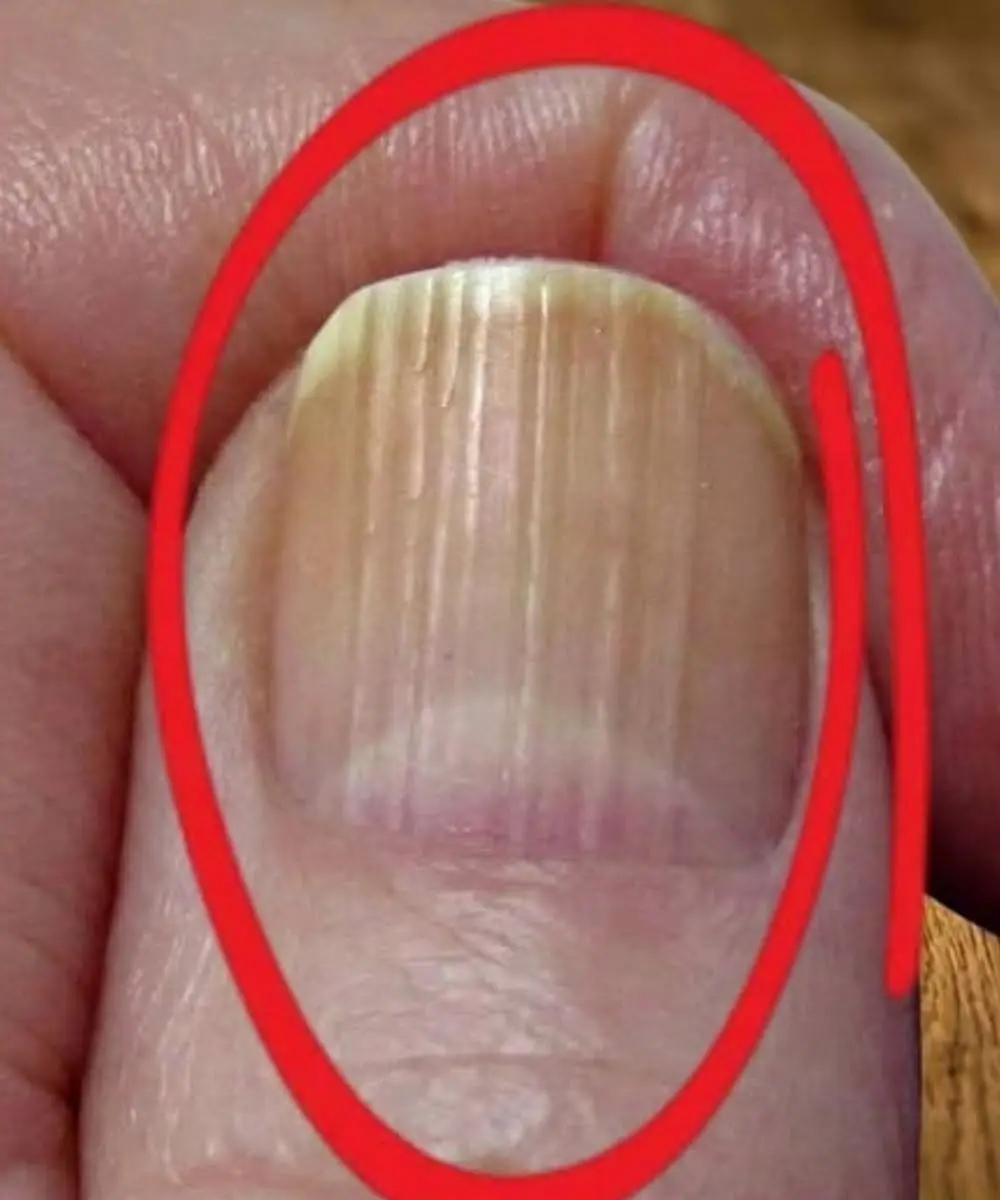
Other people develop lengthwise splitting and prominent vertical ridges, sometimes referred to as onychorrhexis.
Common features of brittle nails include:
Peeling at the free edge
Thin layers breaking away
Frequent cracking or splitting
Rough texture
Reduced flexibility
Vertical grooves
Nails that break before growing long
Dry or damaged cuticles
In many cases, these changes result from external stress rather than a serious medical condition.
Constantly moving between wet and dry conditions can weaken the nail plate.
Nails absorb water and temporarily expand when wet. They contract again as they dry. Repeating this cycle many times can contribute to separation between the nail’s keratin layers.
People who frequently wash dishes, clean, swim, work with food, or wash their hands throughout the day may be particularly affected.
Ironically, prolonged soaking can sometimes worsen brittle nails even though water initially makes them feel softer.
Dishwashing liquid, household cleaners, bleach, solvents, and harsh soaps can strip protective oils from the nails and surrounding skin.
Alcohol-based hand sanitizers may also contribute to dryness when used repeatedly, although proper hand hygiene remains important.
Wearing protective gloves during wet work can reduce this exposure.
Acetone is effective at removing polish, gel, and adhesive, but frequent use can dry the nails and cuticles.
Gel, acrylic, dip-powder, and artificial-nail systems may cause additional damage when:
The nail surface is filed aggressively
Products are peeled or scraped off
Artificial nails are worn continuously
Removal requires prolonged acetone exposure
The cuticle or nail matrix is injured
Taking breaks between treatments may allow healthier nail material to grow out.
Vertical ridges often become more prominent with age.
Nails may grow more slowly, retain less moisture, and become thinner or more brittle over time. Mild ridges running from the cuticle to the tip are usually harmless when they develop gradually and affect several nails similarly.
These age-related ridges may be softened or concealed, but they cannot always be removed completely.
People with very dry skin, hand eczema, or frequent irritation around the fingers may also develop rough, brittle, or ridged nails.
Inflammation near the nail matrix—the area responsible for producing the nail plate—can change the texture of new nail growth.
Treating the surrounding skin may therefore be an important part of improving the nails.
Olive oil contains fatty acids that can coat and condition the nail plate and cuticle.
Using it may:
Temporarily improve flexibility
Reduce the dry appearance of cuticles
Make the nail surface look shinier
Reduce friction around rough edges
Help seal in moisture when applied after washing
However, olive oil does not rebuild nail cells that have already formed. It cannot instantly fuse separated nail layers or permanently erase deep ridges.
Any visible improvement comes mainly from conditioning the surface and reducing further dryness while healthier nail grows from the base.
A complete fingernail generally takes several months to grow out, so meaningful recovery requires patience.
If the nails are dry and the surrounding skin is healthy, a simple oil treatment may be used as part of a protective routine.
A small amount of olive oil
A clean bowl
Mild soap and water
A clean towel
Wash the hands gently and dry them thoroughly.
Place a small amount of olive oil in a clean bowl.
The oil may be used at room temperature or warmed slightly until comfortable—not hot.
Soak the fingertips briefly, or massage a small amount into each nail and cuticle.
Leave the oil on for several minutes.
Massage the remaining oil into the surrounding skin.
Remove excess oil with a clean towel.
Applying oil without prolonged soaking may be just as practical and avoids adding another wet-dry cycle.
For additional overnight hydration, apply a thick fragrance-free hand cream or petroleum jelly and wear light cotton gloves.
Stop using the oil if redness, itching, burning, or swelling develops.
Many homemade recipes combine olive oil with lemon juice. Lemon is promoted as a brightening or strengthening ingredient, but it is acidic and can irritate damaged skin.
Lemon juice may cause:
Stinging around cracked cuticles
Irritant contact dermatitis
Dryness
Increased sensitivity
Discoloration or blistering after sunlight exposure
Citrus juice on the skin followed by ultraviolet exposure can trigger a reaction known as phytophotodermatitis.
Lemon juice does not repair a damaged nail matrix, cure fungal infection, or remove age-related ridges.
For brittle nails, plain moisturizer or oil is usually a gentler choice.
Long soaking sessions may make nails feel flexible immediately, but excessive water exposure can promote further peeling once the nails dry.
The goal is not to saturate the nails repeatedly. It is to protect them from excessive moisture changes and replace surface oils that have been removed.
A brief oil application followed by regular moisturizing is more sensible than keeping the hands submerged for extended periods every day.
The direction of a ridge can provide useful information.
Vertical or longitudinal ridges run from the cuticle toward the tip.
They commonly result from:
Normal aging
Dryness
Repeated nail trauma
Eczema
Other inflammatory skin conditions
Mild vertical ridging on several nails is usually harmless.
More pronounced ridging may occasionally occur with iron deficiency, thyroid disease, lichen planus, psoriasis, or another health condition, particularly when additional symptoms are present.
Horizontal grooves crossing the nail are often called Beau’s lines.
They can develop when nail growth is temporarily interrupted by:
A significant illness
High fever
Severe infection
Chemotherapy
Major physical stress
Trauma to the nail matrix
Repeated damage from artificial nails
The groove gradually moves toward the tip as the nail grows.
A single horizontal line may reflect a past event. Repeated lines or changes affecting many nails should be discussed with a healthcare professional.
A fungal nail infection may cause the nail to become:
Yellow, white, brown, or discolored
Thickened
Crumbly
Distorted
Separated from the nail bed
Surrounded by flaky debris
Fungal infection is more common in toenails than fingernails. It does not usually improve with olive oil, vinegar, lemon juice, or cosmetic nail hardener.
Several other conditions, including psoriasis and trauma, can resemble nail fungus. Testing may be needed before treatment because antifungal medicines can require months of use and may have side effects.
Although external damage is the most common explanation, brittle or ridged nails may occasionally accompany an underlying condition.
Possible associations include:
Iron-deficiency anemia
Thyroid disease
Psoriasis
Eczema
Lichen planus
Fungal nail infection
Poor nutrition
Circulation problems
Certain medications
Repeated illness or fever
Nails alone cannot diagnose any of these conditions.
For example, vertical ridges do not automatically mean someone is iron-deficient, and white spots usually result from minor trauma rather than calcium deficiency.
Medical testing should be guided by the person’s overall symptoms and examination.
Biotin supplements are widely marketed for brittle nails.
A few small studies suggest that biotin may increase nail thickness in some people with genuinely brittle nails. However, the evidence is limited, and biotin deficiency is uncommon among people who eat a varied diet.
High-dose biotin can interfere with important laboratory tests, including tests used to assess thyroid function and possible heart attacks. This interference can produce dangerously misleading results.
Tell your healthcare provider and laboratory staff if you take biotin. Do not assume that a large dose is harmless because it is a vitamin.
Iron, zinc, or other supplements should also be taken only when a deficiency or clear medical need has been identified.
Consistent protection usually helps more than an occasional intensive treatment.
Shorter nails are less likely to catch, bend, or split.
Trim them with clean, sharp clippers and smooth rough edges with a fine nail file. Filing in one direction may reduce additional peeling.
Apply a fragrance-free hand cream, ointment, or nail oil after washing and before bed.
Products containing petrolatum, glycerin, ceramides, lanolin, or urea may help reduce moisture loss.
Use cotton-lined rubber or nitrile gloves when washing dishes or working with cleaners.
Remove the gloves if sweat accumulates inside, because prolonged dampness can also irritate the skin.
Do not use the fingernails to open containers, scrape labels, lift objects, or pry apart packaging.
The cuticle helps seal the space between the nail and skin. Cutting it can increase the risk of inflammation and infection.
Gently moisturize the cuticle rather than removing it aggressively.
Allow damaged nails time to grow out between gel, acrylic, or dip manicures.
Never peel off polish or artificial material, as this can remove layers of the natural nail.
Use acetone only when necessary and moisturize afterward. Avoid repeatedly removing and reapplying polish within a short period.
Some hardeners may provide temporary protection, but products containing formaldehyde can make nails excessively hard and more likely to break when used continuously.
Stop using a hardener if it causes burning, redness, pain, or increased brittleness.
Light buffing can temporarily smooth shallow ridges, but frequent or forceful buffing thins the nail plate.
Deep ridges should not be filed away.
Arrange an evaluation if nail changes:
Appear suddenly
Affect only one nail without a clear injury
Continue to worsen
Persist despite gentle care
Cause pain or swelling
Include pus or redness around the nail
Make the nail thick, yellow, or crumbly
Cause the nail to lift from its bed
Produce deep horizontal grooves
Affect most or all nails at the same time
Occur with fatigue, weight change, hair loss, or cold intolerance
Occur with a rash, joint symptoms, or other signs of illness
A new dark brown or black streak also deserves professional assessment, especially if it widens, changes, extends onto the surrounding skin, or appears without an obvious injury.
Most dark streaks are not melanoma, but a clinician should evaluate suspicious changes promptly.
Nail treatments cannot immediately replace damaged nail material.
A fingernail grows only a few millimeters per month and may require approximately four to six months to replace itself completely. Toenails grow more slowly and may take a year or longer.
Improvement should therefore be judged by the condition of new nail emerging from the base rather than expecting old damage at the tip to disappear.
Even after the cause is corrected, the damaged portion must grow out.
Olive oil can temporarily condition dry nails and cuticles, but it is not a universal cure for brittleness, vertical ridges, or peeling edges.
The most effective home strategy is usually to moisturize consistently, minimize repeated water and chemical exposure, keep nails short, wear protective gloves, and take breaks from damaging cosmetic treatments.
Mild vertical ridges are often a normal part of aging. Horizontal grooves, sudden changes, discoloration, pain, thickening, or abnormalities affecting many nails may require medical evaluation.
Avoid acidic or irritating mixtures, and do not take large doses of vitamins or minerals without determining whether you actually need them.
Healthy nails grow slowly. Protection and patience—not a one-time soak—are usually the real keys to improvement.