Tiny Pumpkin Toadlet Discovered in Brazil's Atlantic Forest: A New Species of Vibrantly Colored Frog
Facts 15/12/2025 22:21

Scientists at the Centers for Disease Control and Prevention (CDC) were recently confronted with a directive few believed they would ever hear. A newly appointed deputy chief of staff informed researchers that the agency’s entire nonhuman primate research program would be shut down — completely and permanently — by the end of the year.
The message was delivered by Sam Beyda, a 2023 Columbia University economics graduate with no publicly known background in biomedical science. Beyda told CDC staff that he was acting on behalf of Health and Human Services (HHS) Secretary Robert F. Kennedy Jr. Under the directive, approximately 200 macaques housed at the CDC’s Atlanta campus would no longer be used for research, bringing decades of studies on HIV prevention, hepatitis, and other infectious diseases to an abrupt halt — including projects already underway.
If implemented as planned, this would mark the first time since the National Institutes of Health retired research chimpanzees over a decade ago that a major federal agency has fully dismantled its in-house primate research program. The implications extend well beyond the fate of a single colony of monkeys, touching on the future of biomedical research, animal welfare policy, and how scientific priorities are set at the federal level.

Ending animal research has long been part of Robert F. Kennedy Jr.’s “Make America Healthy Again” platform. Following President Donald Trump’s return to office in January, multiple federal agencies — including the FDA, NIH, and Environmental Protection Agency — announced plans to reduce reliance on animal testing and increase funding for alternative technologies such as organ-on-chip systems and advanced computational models.
According to a government official familiar with the situation, Beyda stated that the CDC had no option but to comply, with HHS aiming to finalize the shutdown plan before the end of December. “It’s all happening extremely fast,” the official said. “There is no choice but to end the program.”
While the CDC did not directly answer questions about the primate program, it released a statement reaffirming its commitment to regularly reviewing its research portfolio and using non-animal methods whenever scientifically feasible. Bloomberg News confirmed Beyda’s role and noted that he is now overseeing multiple restructuring initiatives across the agency.
As part of the transition, Beyda has reportedly contacted animal sanctuaries to explore retirement options. In October, he reached out to Peaceable Primate Sanctuary in Indiana, asking whether it could accept dozens — or potentially all — of the 200 macaques within a year.
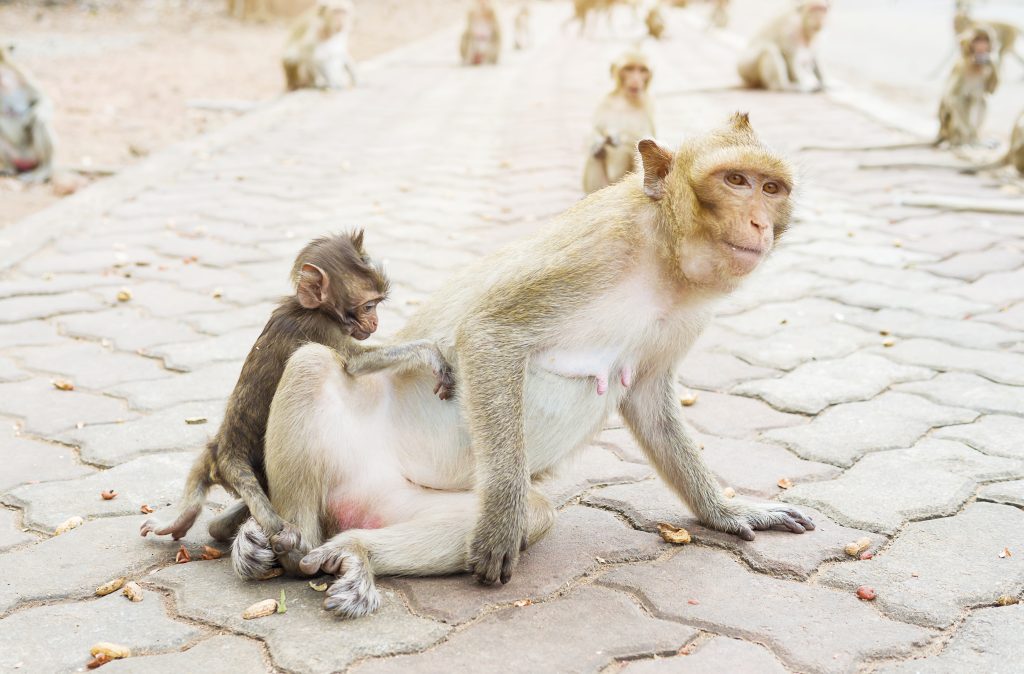
For decades, the CDC’s primate program played a critical role in infectious disease research. Studies conducted on rhesus and pig-tailed macaques were central to the development of HIV pre-exposure prophylaxis (PrEP), a breakthrough that dramatically reduced infection rates worldwide. The animals were also used to test microbicides and prevention strategies specifically designed to protect women from HIV transmission.
Several researchers warn that halting these studies midstream could erase years of work and eliminate a crucial testing ground for future prevention drugs. Demetre Daskalakis, former director of the CDC’s Division of HIV Prevention, questioned where pharmaceutical companies would evaluate next-generation HIV therapies if the CDC’s program disappears.
“There’s real uncertainty about where this work goes next,” he said, noting that some types of infectious disease research still require whole-organism models to yield reliable results.
Other scientists echoed those concerns. Experts in tuberculosis, HIV, and emerging pathogens stressed that nonhuman primates are typically used only when simpler models fail to replicate human immune responses.
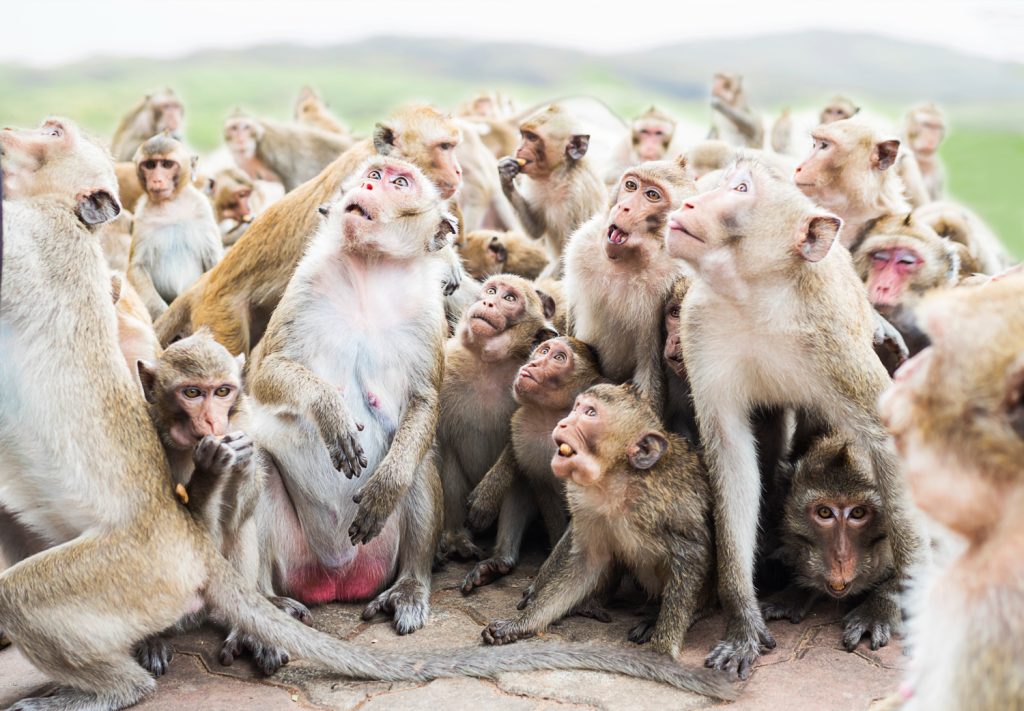
Animal welfare organizations, however, see the decision as long overdue. Groups like the White Coat Waste Project and the Physicians Committee for Responsible Medicine praised the CDC’s move, calling it a landmark moment in U.S. research policy.
Advocates argue that animal testing has serious scientific limitations, pointing out that roughly 90% of drugs that succeed in animal trials fail in human testing. They also cite safety concerns, including documented cases of monkey escapes and the potential risk of zoonotic disease transmission.
From their perspective, technologies such as organoids, organ chips, and human-relevant modeling offer safer, more accurate alternatives — and deserve accelerated investment.

Despite broad support for ending animal testing, practical challenges remain. Peaceable Primate Sanctuary estimates it would need nearly $14 million and at least a year of preparation to accommodate 200 additional monkeys. Funding for animal retirement typically comes from private donations, not federal budgets.
Some CDC employees proposed transferring animals to university research centers to continue studies, but HHS appears to favor sanctuary placement instead. Complicating matters further, macaques infected with SHIV — a hybrid simian-human virus — cannot be safely relocated, raising the possibility of euthanasia for some animals.
Sanctuaries across North America already operate near capacity, and many macaques could live for decades, requiring long-term financial commitments.

The CDC’s decision has triggered a broader debate about the future of infectious disease research. Supporters view it as moral and scientific progress; critics fear it could weaken the nation’s ability to respond to emerging health threats.
With nearly 7,000 nonhuman primates currently under NIH oversight, scientists and policymakers alike are watching closely. If the CDC’s move becomes a precedent, it could reshape federal research for generations.
For now, researchers scramble to preserve data, animal care teams await clarity, and sanctuaries brace for a potential influx. What happens next will determine whether this marks the beginning of a new scientific era — or the loss of a critical research tool.