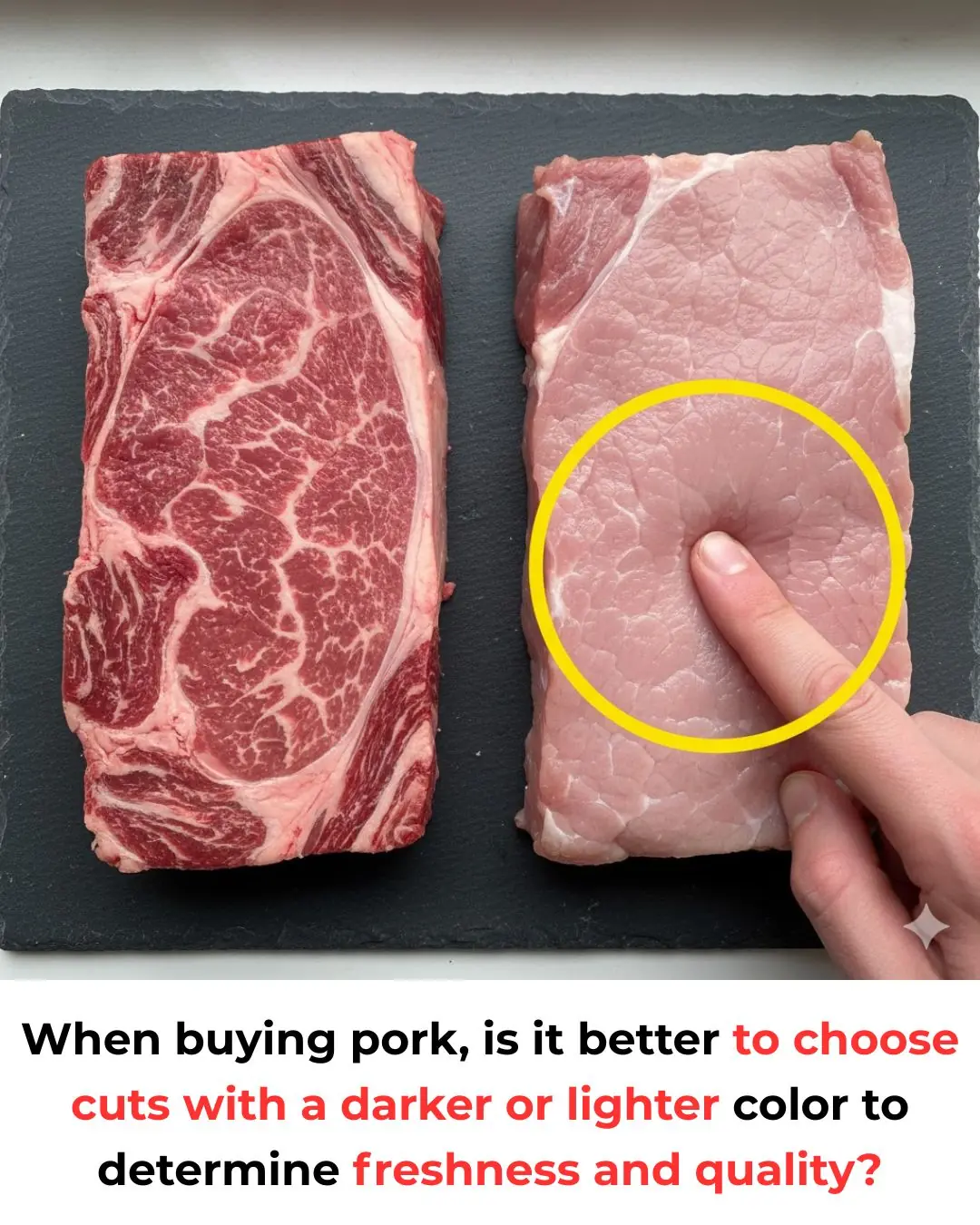
When buying pork, is it better to choose cuts with a darker or lighter color to determine freshness and quality?
Tips 15/12/2025 18:56

Although they are both peanuts, white-skin peanuts and red-skin peanuts differ in several noticeable ways. Have you ever wondered what sets them apart?
Peanuts are highly nutritious foods, rich in essential nutrients and vitamins. They are even considered a “longevity seed” because of their many health benefits. In traditional Eastern medicine, peanuts are believed to help regulate the digestive system, nourish the blood, and stop bleeding.
Today, the two most common types of peanuts available on the market are white-skin peanuts and red-skin peanuts. Many people consume them regularly but are unaware of the differences between these two varieties.
White-skin peanuts have a crunchy texture and a mild, nutty flavor when eaten. This type is commonly used for frying, roasting, or making snacks. Due to their higher oil content, white-skin peanuts are also widely used in the production of peanut oil and peanut butter.
Another advantage of white-skin peanuts is their relatively lower calorie content, making them more suitable for people who are trying to lose weight or maintain a balanced diet.
Red-skin peanuts, on the other hand, have a naturally sweet taste, especially when freshly harvested. Their sweetness becomes more pronounced when chewed. This variety is often used in soups, peanut milk, and traditional dishes. Red-skin peanuts are also believed to support blood nourishment and improve overall vitality.
As mentioned above, red-skin peanuts are known for their blood-nourishing properties. For this reason, nutrition experts advise against removing the red skin when consuming this type. Eating red-skin peanuts may help regulate digestion, relieve bloating, and reduce feelings of discomfort in the stomach.
White-skin peanuts contain a slightly higher level of calcium, making them especially beneficial for elderly people and young children. They are also rich in phospholipids, selenium, and vitamin E, which support brain health, enhance memory, and protect cells from oxidative damage.
Because white-skin peanuts usually have larger kernels and higher yields, they tend to be slightly cheaper on the market.
Whether you choose white-skin or red-skin peanuts, keep the following tips in mind to ensure quality and safety:
Color
Always select peanuts with bright, natural-colored skins. Avoid peanuts with dark or blackened skins (unless they are a specific black peanut variety). Dark discoloration can indicate mold contamination, particularly from Aspergillus flavus, a fungus that produces harmful toxins. These toxins can damage the body, promote abnormal cell growth, and negatively affect the flavor of the peanuts.
Skin Firmness
After drying, mature peanuts should retain firm and tight skins. Immature peanuts tend to shrink and wrinkle easily. Shriveling peanuts not only taste worse but also contain fewer nutrients. Therefore, choose peanuts that look plump and full.
Smell
Pick up a handful of peanuts and smell them carefully. Fresh peanuts usually have a light, earthy aroma. If you detect a musty or sour odor, the peanuts may be spoiled and should not be purchased.
Peanut Sprout Tip
A lesser-known tip is to check the peanut sprout point. This is a small white dot located at one end of the peanut kernel. If this dot is missing, the peanuts may have been artificially dyed or treated, which can affect their quality and safety.
By understanding these differences and selection tips, you can choose the right type of peanuts for your health needs and cooking purposes while ensuring food safety for you and your family.