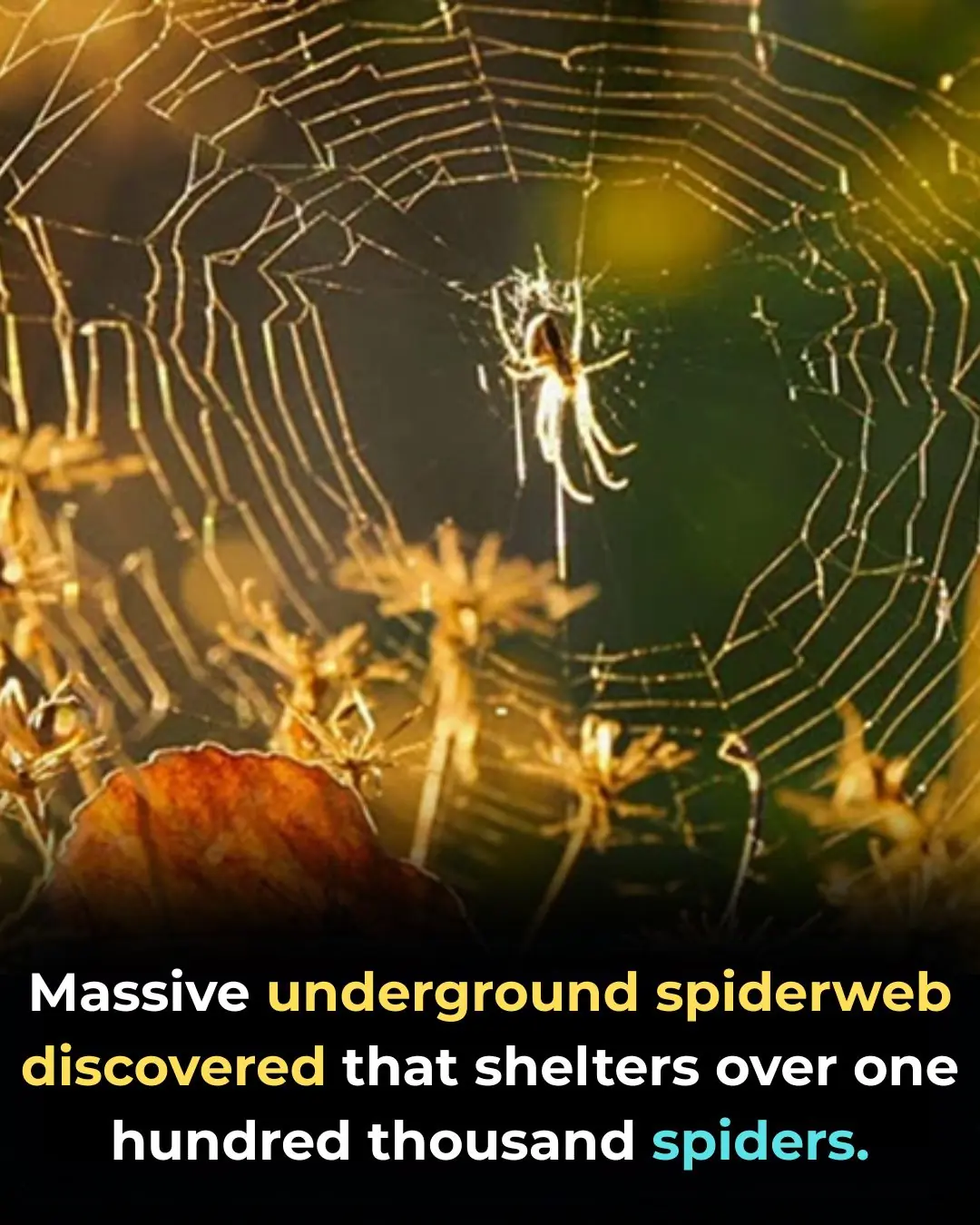
A Massive Spider Megacolony Thriving in a Sulfur-Fueled Cave Ecosystem
Facts 17/12/2025 05:41
Recent scientific studies have ignited interest in the milk-like substance produced by the Diploptera punctata, a species of cockroach. Researchers have found that this unusual substance may offer remarkable nutritional benefits, containing up to three times the nutrients found in cow’s milk. The discovery of cockroach milk has led to a surge of interest in its potential as a superfood of the future.
In 2016, a pivotal study published in the Journal of the International Union of Crystallography analyzed the nutrient composition of the milk-like fluid produced by female Pacific beetle cockroaches (Diploptera punctata). The study revealed that the fluid forms nutrient-rich crystals inside the developing embryos of these cockroaches. This discovery is significant because the milk-like substance produced by the insects is dense in key nutrients, including proteins, fats, sugars, and essential amino acids, making it one of the most nutrient-dense biological substances ever studied.
What sets cockroach milk apart from more traditional food sources is its unique composition. Scientists have found that the milk contains a potent combination of these elements, which are essential for human health, potentially making it a valuable source of energy and nutrients. In fact, when compared to cow’s milk, the nutritional value of cockroach milk is significantly higher, particularly in terms of protein content and essential fatty acids.
While this discovery has sparked enthusiasm about the potential applications of cockroach milk in the food industry, there are still several hurdles to overcome before it can become a viable food product for human consumption. The main challenge lies in the production of cockroach milk. Harvesting the substance in sufficient quantities for commercial use remains an obstacle, as it would require large-scale farming of the species and specialized methods to extract the milk. Additionally, ethical and practical considerations surrounding the use of insects as food must also be addressed.
Despite these challenges, researchers are hopeful that the study of cockroach milk could inspire new innovations in sustainable food production. In a world where climate change, population growth, and resource depletion are becoming increasingly pressing concerns, scientists are exploring alternative food sources that could offer high nutritional value with minimal environmental impact. Cockroach milk, if harnessed effectively, could become part of the solution to global food security issues, providing a rich, sustainable source of nutrition for the future.
At present, while cockroach milk is not available for human consumption, the interest in this potential superfood is growing, and future research may lead to breakthroughs in the technology required to mass-produce it. If successful, this could revolutionize the way we think about food and nutrition, opening the door to more sustainable and nutrient-dense alternatives.