Introduction: A Familiar Plant With an Overlooked Story
Many people pass by Hoja de la Vida each day without realizing how deeply this humble plant is rooted in traditional wellness cultures. It grows effortlessly, asks for very little care, and often sits quietly in pots or garden corners, mistaken for just another decorative succulent. Yet behind its thick green leaves lies a long history of practical, everyday use.
Over time, modern life has distanced us from simple plant-based habits that earlier generations relied on for daily comfort and balance. By exploring how this plant has traditionally been used—and by approaching it thoughtfully and safely today—you may uncover a gentle, mindful way to support everyday well-being. And as you’ll see by the end of this guide, its most powerful lesson may not be about what it does, but how it was used.
What Is Hoja de la Vida and Why Is It So Widely Known?
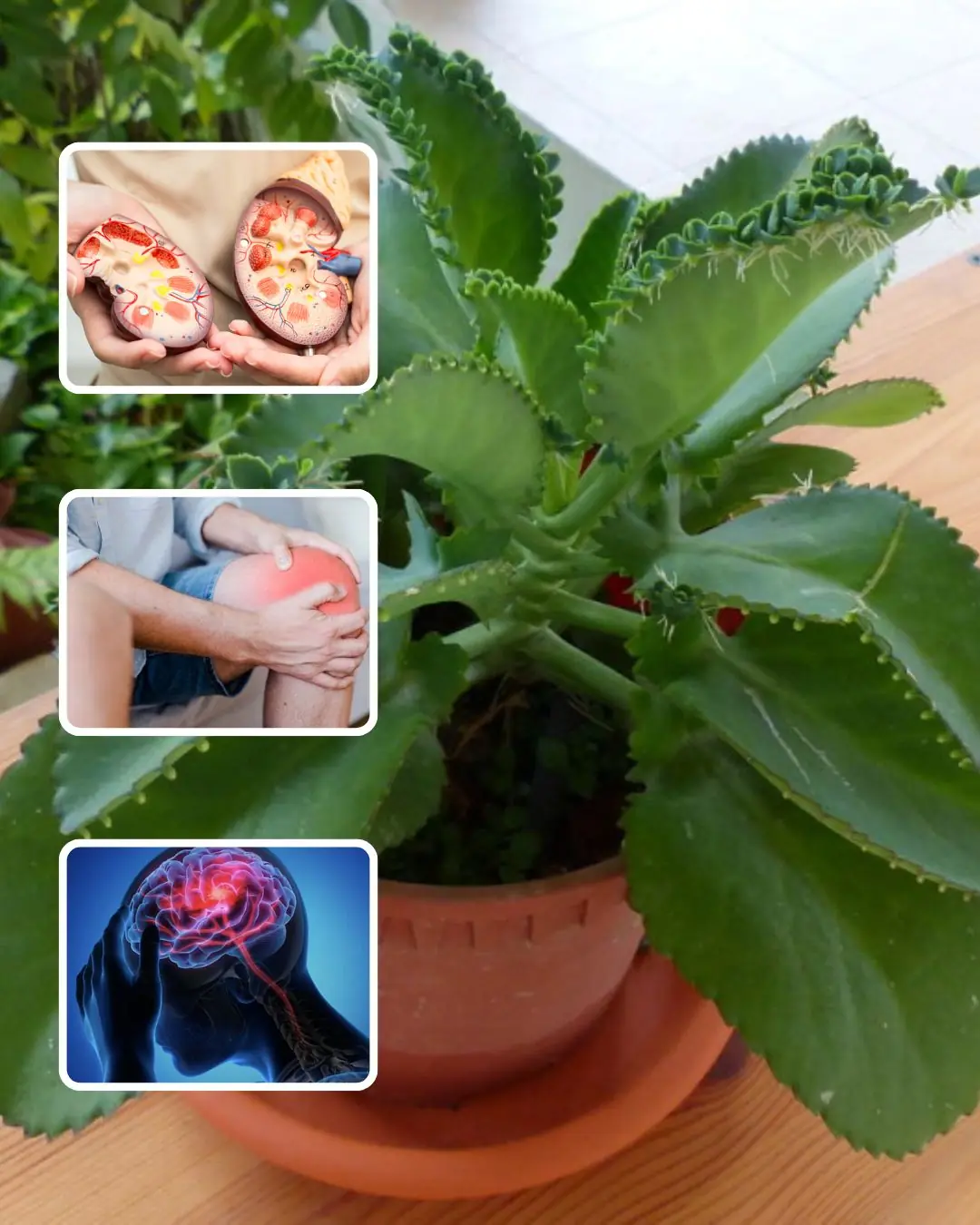
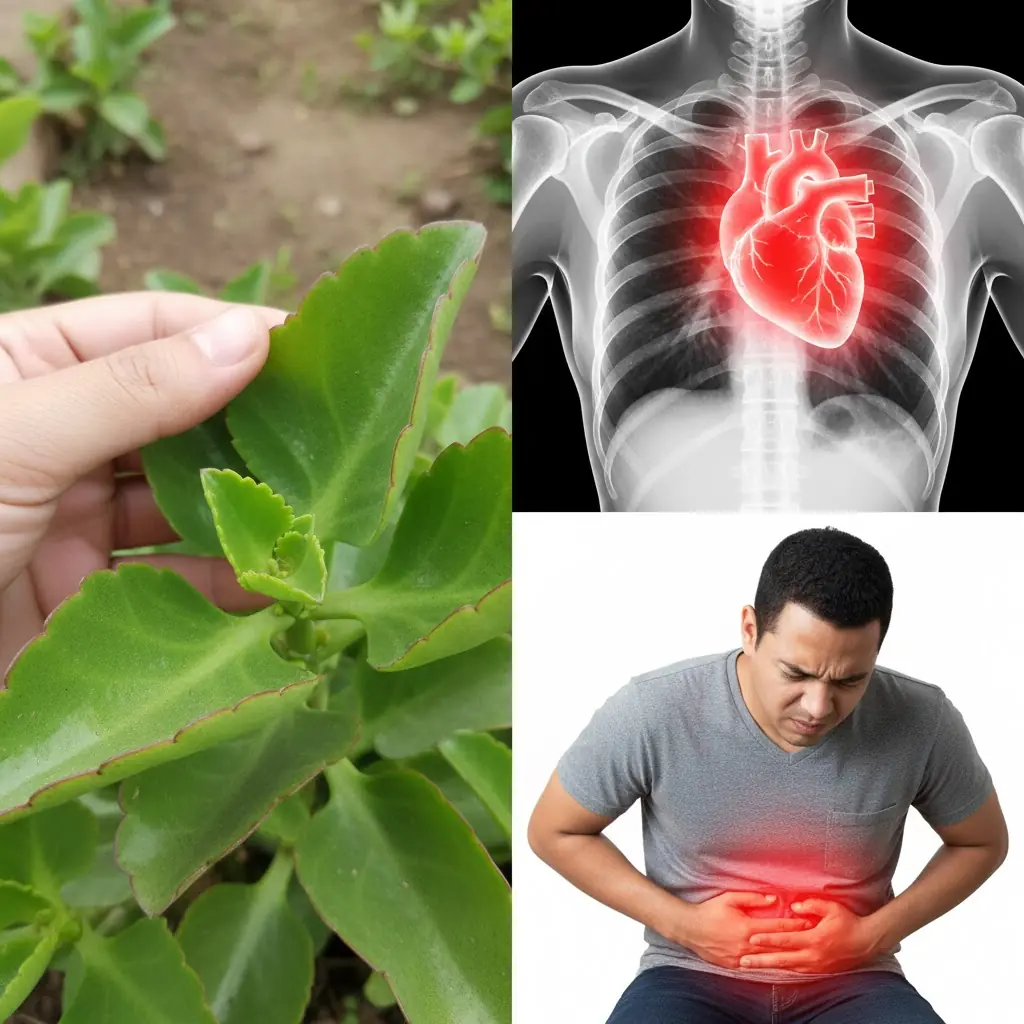
Hoja de la Vida, commonly called Leaf of Life or Miracle Leaf, is scientifically known as Kalanchoe pinnata. It is easily recognized by the tiny plantlets that form along the edges of its fleshy leaves. These miniature offshoots drop, root, and grow into new plants—giving rise to its symbolic connection with renewal, resilience, and continuity.
What makes this plant especially interesting is that its reputation was not built through modern branding or commercial trends. Instead, it spread through word of mouth, family practice, and cultural knowledge across Asia, Africa, Latin America, and the Caribbean. Although preparation methods varied from region to region, many of the wellness intentions remained strikingly similar: gentle support, balance, and moderation.
A Brief Look at Traditional Knowledge
It is important to distinguish traditional plant use from modern clinical medicine. Traditional systems generally focused on supporting comfort and daily balance rather than targeting specific diseases.
Preliminary laboratory research on Kalanchoe pinnata suggests it contains naturally occurring compounds such as flavonoids, antioxidants, and organic acids. These substances are widely studied for their potential roles in cellular protection and inflammation balance. However, most everyday use of Hoja de la Vida remains grounded in cultural tradition rather than standardized medical guidelines.
Understanding this distinction encourages responsible, respectful exploration.
Traditionally Associated Wellness Areas
The following sections reflect historical and cultural practices and are shared for educational awareness, not medical claims.
Respiratory and Immune Comfort
Across multiple cultures, warm infusions of Hoja de la Vida were prepared during seasonal changes.
Traditional practices often included:
-
Light herbal teas to soothe occasional coughs
-
Supporting the body during temporary seasonal discomfort
-
Encouraging general resilience during physically demanding periods
It is worth noting that warm liquids alone can provide soothing effects. In many traditions, the plant was paired with rest, hydration, and simple meals—highlighting that lifestyle context mattered just as much as the plant itself.
Kidney and Urinary Balance
In several herbal traditions, gentle plants were preferred over strong or stimulating preparations.
Hoja de la Vida was included in routines aimed at:
-
Supporting comfortable urinary flow
-
Encouraging natural fluid balance
-
Promoting a sense of internal ease
These routines were typically accompanied by reduced salt intake and increased water consumption, reinforcing the idea that supportive habits work best when integrated into overall dietary awareness.
Digestive Wellness and Daily Comfort
Digestive discomfort has been a universal concern throughout history.
Traditionally, the plant was used in small portions to:
-
Calm occasional stomach unease
-
Support regular bowel habits
-
Promote a light, comfortable digestive feeling
Moderation was consistently emphasized. Rather than large doses, small, careful amounts were considered more aligned with balance.
Inflammation and Physical Comfort
One of the most common historical applications of Hoja de la Vida was external use.
Cultural practices included:
-
Applying crushed leaves to areas of muscular tension
-
Using compresses after physical labor
-
Supporting comfort following long days of repetitive activity
Interestingly, many traditions favored topical use before internal use when addressing physical discomfort. This reflects a cautious, practical mindset that prioritized safety.
Skin and Surface Care
Fresh leaves were often incorporated into basic skin care rituals.
Traditional applications focused on:
-
Minor surface cuts
-
Insect bites and mild redness
-
Skin that felt irritated after sun exposure
Preparation was simple but careful. Clean leaves, short application times, and fresh preparation were consistently emphasized.
Circulation and Heart Comfort Traditions
Some traditional systems associated Hoja de la Vida with circulation support—not in a targeted medical sense, but as part of broader relaxation routines.
Practices focused on:
-
Supporting comfort during rest
-
Encouraging calm breathing
-
Pairing plant use with gentle walking or stretching
Modern research continues to show that relaxation and stress reduction alone play important roles in overall circulatory wellness, which may help explain this historical connection.
Liver and Internal Cleansing Traditions
In traditional cultures, “cleansing” usually referred to simplifying habits rather than extreme detox practices.
Hoja de la Vida was sometimes included in:
-
Short-term wellness resets
-
Light herbal routines during seasonal transitions
-
Practices aimed at reducing feelings of heaviness
The emphasis remained on gentle support—not aggressive intervention.
Women’s Wellness and Relaxation
In certain regions, small amounts of the plant were traditionally used during monthly cycles.
The goals were modest and comfort-focused:
-
Promoting calm
-
Supporting emotional balance
-
Encouraging physical ease
These uses were typically combined with warmth, reduced workload, and restorative rest—demonstrating again that context was key.
Sleep and Evening Calm
Hoja de la Vida has also been associated with nighttime relaxation in some traditions.
Routines emphasized:
-
Very small portions
-
Warm preparations
-
Consistent bedtime habits
Modern sleep research repeatedly shows that calming rituals alone can positively influence sleep quality. The plant may have served as a symbolic anchor for those rituals.
Traditional Preparation Methods at Home
(Shared for educational awareness.)
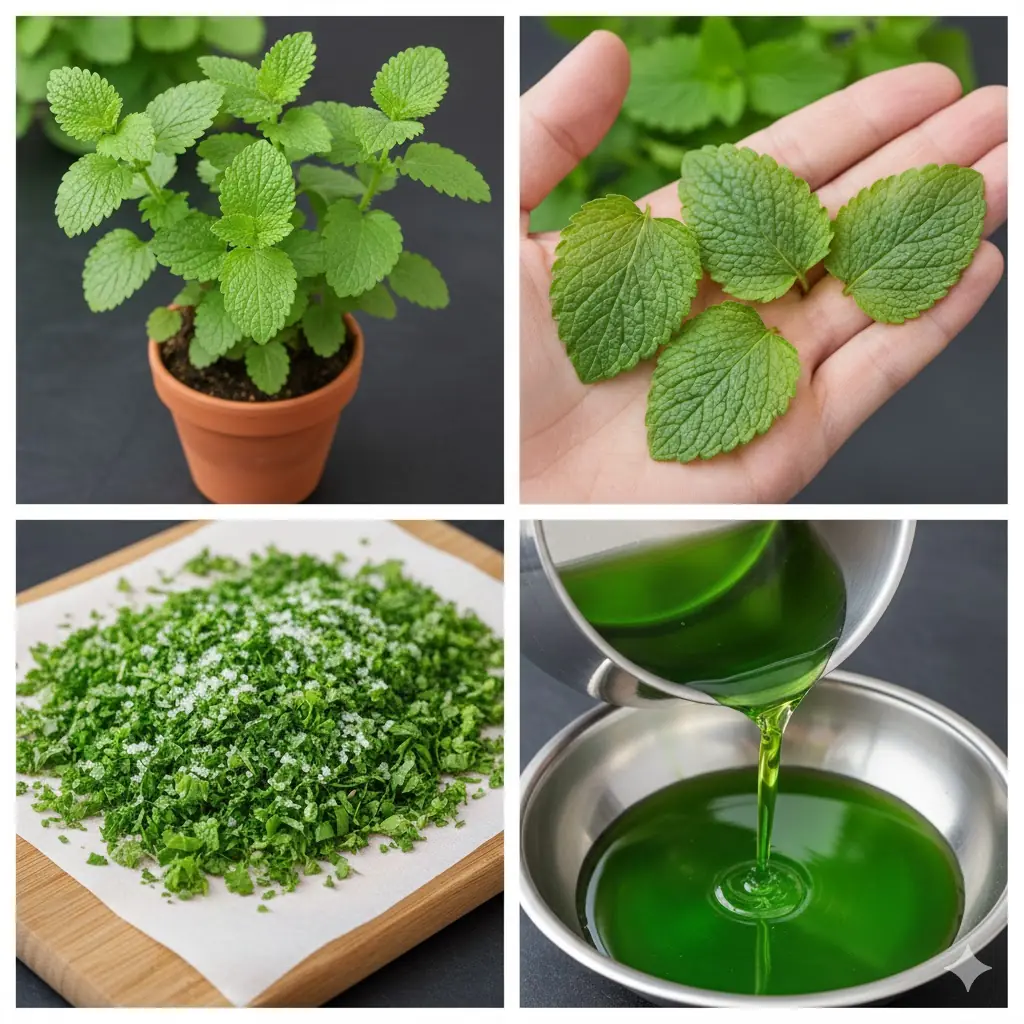
Herbal Tea or Infusion
Traditionally used for: breathing comfort, digestion, general balance
Steps:
-
Wash 2–3 mature leaves thoroughly
-
Tear into small pieces
-
Simmer in 2 cups of water for 5–10 minutes
-
Strain and drink warm, once or twice daily
Fresh Leaf Juice (Short-Term Use)
Traditionally used for: internal comfort
Steps:
-
Wash leaves carefully
-
Blend with a small amount of clean water
-
Strain thoroughly
-
Consume no more than one tablespoon at a time
Poultice or Compress (External Use)
Traditionally used for: surface discomfort
Steps:
-
Crush clean leaves into a paste
-
Apply to the desired area
-
Cover with a clean cloth
-
Rinse after about 30 minutes
Steam Inhalation
Traditionally used for: nasal comfort
Steps:
-
Boil a handful of leaves in water
-
Carefully inhale steam for 5–10 minutes
-
Avoid direct contact with hot liquid
Actionable Tips for Safe, Modern Use
If you are curious about traditional plant practices, consider these responsible guidelines:
-
Begin with small amounts
-
Avoid prolonged daily use without professional advice
-
Prioritize external applications first
-
Use clean, fresh preparations
-
Combine with hydration, rest, and balanced nutrition
-
Consult a healthcare professional if you have underlying conditions
Wellness traditions often worked because they were part of a broader lifestyle—not because of a single ingredient.
Conclusion: A Quiet Plant With a Thoughtful Legacy
Hoja de la Vida is not rare, exotic, or dramatic—and that simplicity may be its greatest strength. Its history reminds us that well-being does not always arise from complexity, but from steady, mindful routines practiced gently over time.
Perhaps the most unexpected lesson in its story is this: traditional cultures rarely used it aggressively. They favored moderation, external applications, and supportive habits. In a world that often searches for fast and intense solutions, Hoja de la Vida offers a quieter philosophy—one rooted in patience, balance, and respect for the body’s natural rhythms.
Frequently Asked Questions
Is Hoja de la Vida safe for daily use?
Traditional practices emphasize occasional or short-term use. Long-term daily use should be discussed with a qualified healthcare professional.
Can Hoja de la Vida replace medical care?
No. It has traditionally been used as supportive practice, not as a substitute for professional diagnosis or treatment.
Is external use safer than internal use?
Many traditional systems preferred external application first, especially for physical discomfort and surface care.
Medical Disclaimer
This article is for informational and educational purposes only. It does not provide medical advice and should not be used to diagnose, treat, or prevent any condition. Always consult a qualified healthcare professional before using herbs or natural products, particularly if you are pregnant, breastfeeding, taking medication, or managing a medical condition.