🌿 Kyllinga Brevifolia: The Hidden Healing Herb for Everyday Wellness
Garden Healthy 14/02/2026 16:18

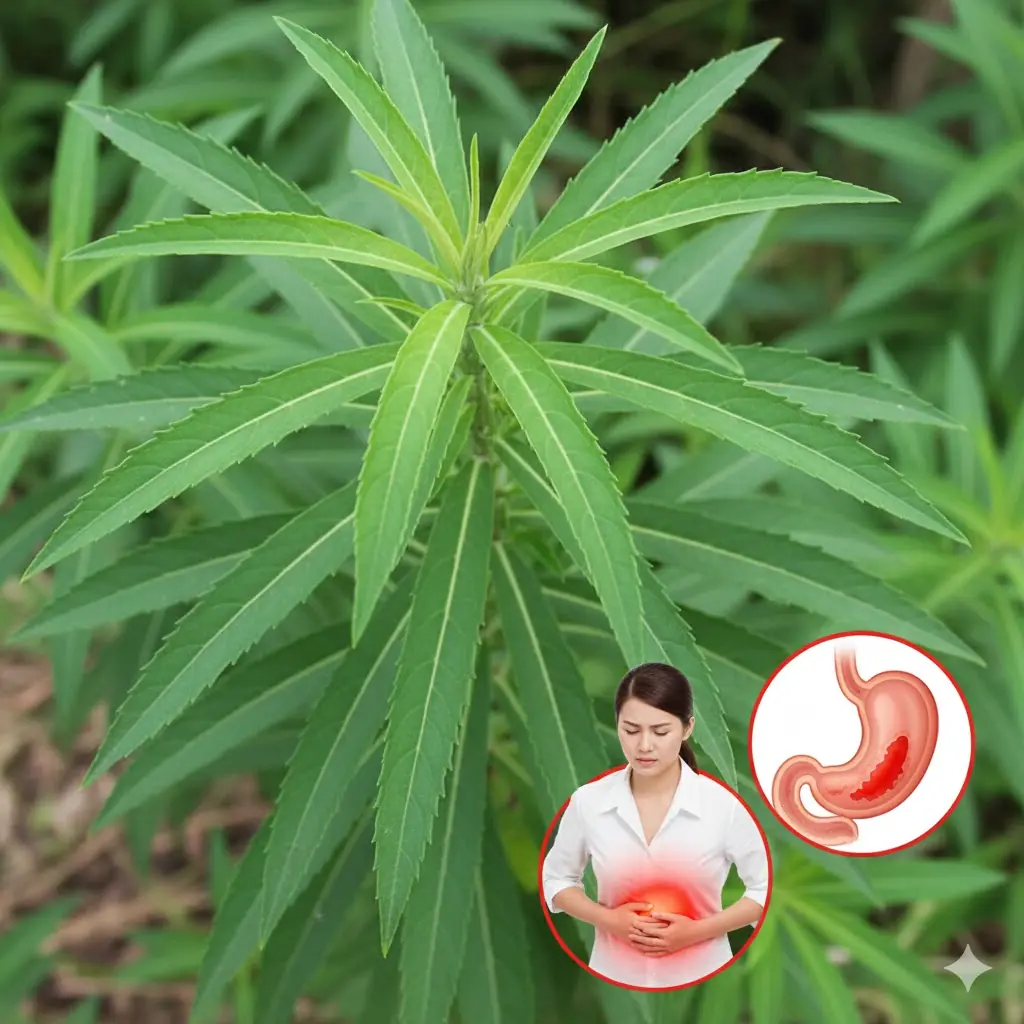
Senna alexandrina is one of the most widely used herbal remedies in the world for digestive support. For centuries, it has held an important place in traditional Arabic, Indian, and European herbal medicine, valued primarily for its powerful ability to relieve constipation and promote intestinal cleansing.
Derived from a small shrub native to North Africa and the Middle East, senna’s medicinal properties come from its dried leaves and seed pods. These plant parts contain natural compounds known as sennosides, which stimulate the muscles of the colon. By triggering gentle contractions in the large intestine, senna helps move stool through the digestive tract and supports effective waste elimination.
Unlike mild digestive herbs that simply soothe the stomach, senna works directly on bowel motility. This makes it highly effective—but also a remedy that must be used with care.
Senna is best known for its strong, reliable laxative effect. It promotes bowel movements by stimulating the colon muscles, making it particularly helpful for occasional constipation. Results typically occur within 6–10 hours after use.
By accelerating waste removal, senna helps clear accumulated material from the digestive tract. While the body naturally detoxifies itself through the liver and kidneys, proper bowel function plays a supportive role in overall digestive balance.
When digestion slows down, gas and heaviness can build up. Senna may help relieve this uncomfortable fullness by encouraging timely elimination.
Senna is frequently used under medical supervision before procedures such as colonoscopy or intestinal surgery. In these cases, it helps thoroughly empty the bowel for clearer examination and safer treatment.
Some individuals use senna occasionally as part of a short-term digestive reset when travel, dietary changes, or stress temporarily disrupt regularity. However, this should not become a routine habit.
Preparation:
½–1 teaspoon dried senna leaves
1 cup (250 ml) hot water
Steep for about 10 minutes
Drink in the evening
A bowel movement typically occurs the next morning within 6–10 hours.
For milder effects, some people blend senna with gentler herbs like chamomile or fennel to reduce cramping.
Widely available in pharmacies and herbal shops. Always follow the dosage instructions on the label or as directed by a healthcare provider.
Senna powder can be mixed into warm water or tea, but it is highly concentrated. Accurate measurement is important to avoid excessive effects.
Senna is intended for short-term use only. It should not be taken daily or used continuously.
Recommended use:
Occasional constipation
No more than 5–7 consecutive days
Long-term or excessive use may lead to:
Intestinal dependency (reduced natural bowel function)
Electrolyte imbalance
Low potassium levels
Colon irritation
Abdominal cramping
Overuse can cause the digestive system to rely on stimulation rather than maintaining its own natural rhythm.
Senna should not be used by:
Pregnant or breastfeeding women
Children
People with Crohn’s disease, ulcerative colitis, or intestinal blockage
Individuals with dehydration
People with low potassium levels
Those experiencing unexplained abdominal pain
Anyone taking medications—especially diuretics, heart medications, or electrolyte-altering drugs—should consult a healthcare professional before using senna.
Senna is not a gentle digestive tonic—it is a stimulant laxative. Its strength is precisely what makes it effective, but also why it must be used responsibly and in moderation. When used occasionally and correctly, it can provide reliable relief. When misused, it may disrupt the body’s natural digestive balance.
Herbal medicine works best when paired with supportive lifestyle habits such as adequate hydration, fiber-rich foods, regular movement, and stress management. These foundational practices help maintain long-term digestive health without reliance on strong stimulants.
This article is for educational purposes only and does not replace medical advice, diagnosis, or treatment. If you experience chronic digestive issues or take prescription medications, consult a qualified healthcare professional before using senna.