A 2013 study conducted by researchers
Facts 16/12/2025 19:42
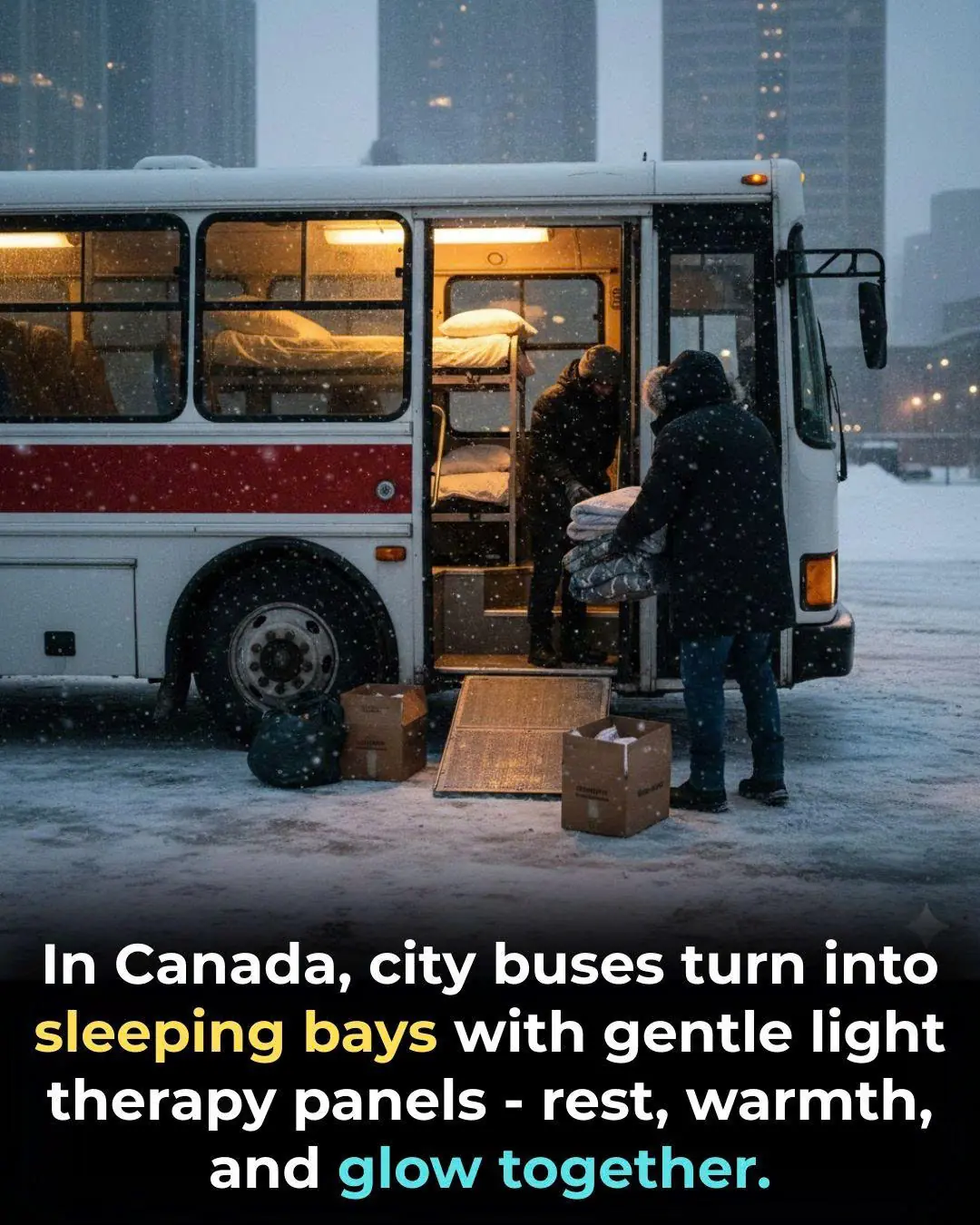
In parts of Portugal, an innovative approach to homelessness is quietly unfolding after sunset. The top floors of certain urban parking towers, spaces once designed solely for cars, are now being repurposed to offer temporary refuge to those without homes. In these parking structures, which were originally built to accommodate vehicles, a shift occurs every evening: mobile beds on wheels are rolled into place, transforming the space into a minimalist resting zone. These temporary shelters are equipped with simple, portable mattresses, privacy panels, and soft lighting that provides warmth and security. The spaces are not intended to be permanent shelters, but rather provide a safe haven during the night — a temporary relief that meets the needs of the homeless in a design-forward and thoughtful way.
The concept behind these elevated shelters is striking in its simplicity and effectiveness. After the busy hours of the day, when the parking lot has emptied of cars, attendants move into action. They wheel in collapsible beds that are conveniently stored in cabinets nearby. These folding beds, paired with a few simple folding screens, blankets, and lockers, create a secure and private space for individuals in need. The process is swift, and no formal registration or identification is required, meaning that anyone who needs rest is able to access the space. The design of the space ensures a dignified experience, providing a clean and quiet environment for individuals to rest.
This is a completely fluid use of urban space, one that requires no new land, no new buildings, and minimal infrastructure. The parking towers, which would otherwise sit unused at night, are repurposed to serve the immediate needs of the homeless. This approach demonstrates how existing urban structures can be rotated in their use, offering temporary shelter without requiring any significant permanent changes. By morning, when the sun rises and the city begins to stir again, the beds are collapsed, the space is cleared, and the area is transformed back into a parking lot, ready for another day. This clever use of vertical urban space provides a temporary, yet essential solution, offering an alternative to more traditional forms of shelter.
The elevated nature of these shelters provides more than just a place to sleep. Sleeping above the city, in a space that is sheltered but not hidden, offers a sense of safety and a psychological lift that can be life-changing. It is not just about having a physical bed to rest in, but about breaking the cycle of marginalization that so often accompanies homelessness. By offering a shelter that is elevated but visible, this model prevents individuals from feeling further isolated or institutionalized. Rather than placing people in hidden, underground shelters, this approach ensures they remain part of the city fabric, offering not only physical comfort but a sense of belonging and recognition.
This innovative solution speaks to cities around the world: building more infrastructure is not always the answer to social issues. Sometimes, a thoughtful shift in how existing spaces are used is all that is needed. The model of transforming parking towers into temporary shelters highlights how cities can reimagine urban spaces to serve those who need help, without the need for massive financial investments or complex infrastructure. By providing access to what already exists, these cities are showing that care and compassion do not always require new constructions — often, it is simply a matter of timing and changing how resources are allocated.
The success of this initiative has garnered attention from urban planners, social service organizations, and governments, who are exploring how such models can be replicated elsewhere. “This is a great example of urban ingenuity,” said Maria Fernandes, a leading researcher in urban development at the University of Lisbon. “It shows how cities can reimagine public space to address homelessness in a way that doesn’t add to the urban sprawl but instead utilizes existing resources more effectively.”
Experts in homelessness support have praised this model for its respect for individual dignity and privacy, something often lacking in traditional shelter systems. “What makes this solution unique is that it doesn’t just provide a bed — it provides a respectful and dignified experience,” said Dr. João Silva, a social psychologist who studies homelessness. “The psychological impact of such a model can’t be understated. It offers individuals the opportunity to sleep in a space that feels secure and acknowledges their humanity.”
While it is clear that these elevated shelters are not a permanent solution to the broader issue of homelessness, they are an important step in addressing an urgent and growing crisis. They offer a meaningful temporary respite and help prevent individuals from falling further into the margins of society. With urban homelessness on the rise, the idea of transforming existing spaces like parking towers into shelters could provide a valuable blueprint for cities worldwide. This model is a testament to the power of creative thinking, proving that even in the face of limited resources, solutions can be found by simply reimagining the space and structures we already have.
Sources:
Portuguese Ministry of Housing. (2024). "Urban Innovation in Addressing Homelessness."
University of Lisbon, Department of Urban Development. (2025). "Reusing Urban Spaces for Social Good."
BBC News. (2025). "How Portugal is Turning Parking Lots into Shelters for the Homeless."