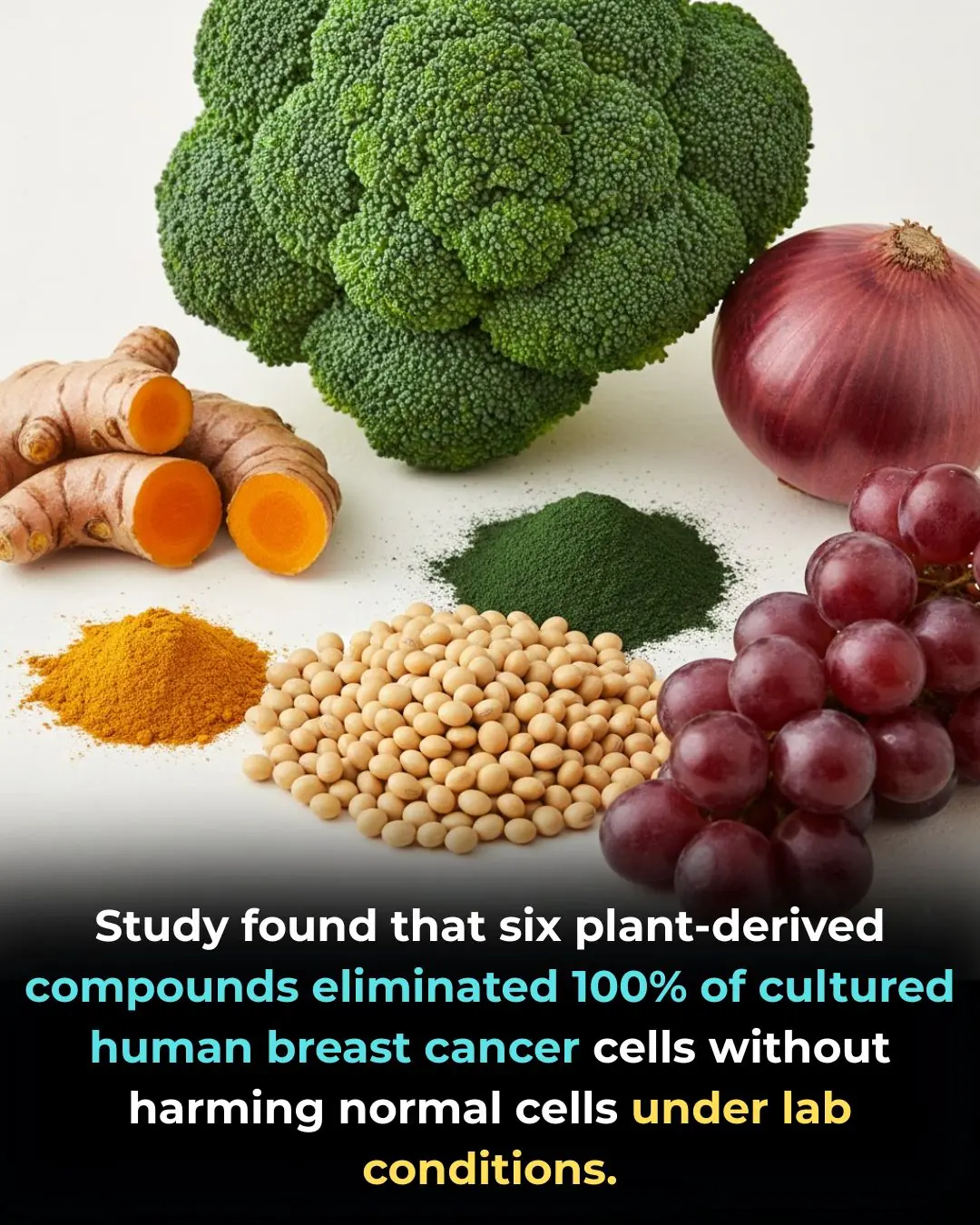
A 2013 study conducted by researchers
Facts 16/12/2025 19:42
Scientists analyzing health data from thousands of individuals have uncovered a striking and unexpected pattern: women who had COVID-19, even in mild or moderate forms, showed signs of accelerated blood vessel aging. In these women, the condition of their arteries resembled that of people several years older than their actual age, raising new concerns about the virus’s long-term effects on cardiovascular health.
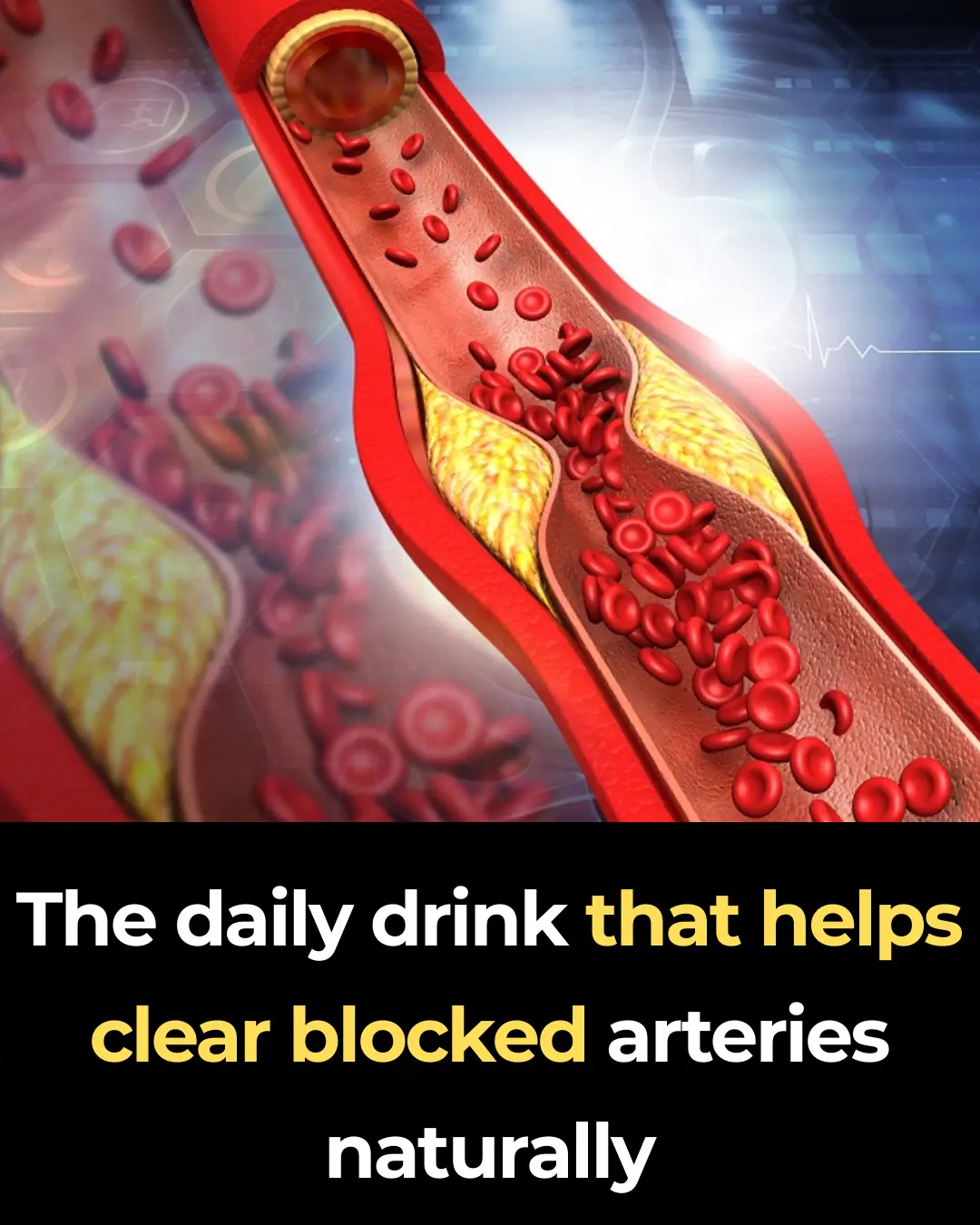
To investigate this phenomenon, researchers focused on a key indicator of vascular health known as arterial stiffness. They measured how quickly blood pressure waves move through the arteries, a method widely used in cardiovascular research. Faster wave velocity indicates stiffer arteries, which is a hallmark of aging blood vessels and a known risk factor for heart disease and stroke. On average, women who had recovered from COVID-19 showed arterial stiffness equivalent to about five additional years of biological aging. The effect was even more pronounced in women who had been hospitalized or required intensive care, suggesting that disease severity plays a significant role.
One of the most intriguing aspects of the findings is that this accelerated vascular aging appeared primarily in women. Scientists believe this may be linked to how SARS-CoV-2 interacts with the body’s immune and inflammatory systems. The virus is known to damage the endothelium—the delicate inner lining of blood vessels—which plays a crucial role in regulating blood flow, inflammation, and clotting. In some women, this damage may trigger prolonged inflammatory responses, leading to more persistent arterial stiffness.
Biological differences between men and women may help explain this disparity. Hormonal factors, particularly the role of estrogen in vascular protection, as well as sex-based differences in immune system responses, are thought to influence how blood vessels respond to injury and recover afterward. However, researchers caution that these mechanisms are not yet fully understood, and further studies are needed to clarify why women appear more vulnerable to these long-term vascular changes.
There is, however, some encouraging news. The observed arterial stiffening does not appear to be permanent in all cases. Follow-up measurements suggest that partial recovery can occur over time, especially among individuals who maintain good overall cardiovascular health. Notably, vaccinated women showed fewer signs of accelerated vessel aging compared with those who were unvaccinated, supporting growing evidence that vaccination reduces not only the severity of acute infection but also the risk of long-term complications.
These findings add to a growing body of research indicating that COVID-19 is not solely a respiratory illness but a systemic disease with lasting effects on the heart and blood vessels. Studies published in leading journals such as Circulation, Nature Medicine, and The Lancet have previously reported endothelial dysfunction, increased cardiovascular risk, and persistent inflammation following COVID-19 infection. Health organizations including the World Health Organization (WHO) and the American Heart Association have also warned about the potential long-term cardiovascular consequences of the virus.
Ultimately, this research highlights important questions about how COVID-19 may shape long-term heart and vascular health, particularly for women. It serves as a reminder that even after apparent recovery, the virus can leave subtle but meaningful marks on the body. Continued monitoring, preventive care, and further scientific investigation will be essential to fully understand and address these lingering effects.
References (suggested credible sources):
Circulation (American Heart Association) – studies on arterial stiffness and post-COVID cardiovascular effects
Nature Medicine – research on endothelial damage and long COVID
The Lancet – reviews on long-term health consequences of COVID-19
World Health Organization (WHO) – reports on post-COVID conditions
American Heart Association (AHA) – guidance on COVID-19 and heart health