A 2013 study conducted by researchers
Facts 16/12/2025 19:42
Researchers at the University of Massachusetts Amherst have developed an innovative cancer vaccine platform based on specially engineered nanoparticles designed to stimulate a strong and long-lasting immune response. These nanoparticles are constructed to deliver cancer-cell antigens together with an exceptionally potent immune stimulant, described by the researchers as a “super adjuvant.” By combining both components into a single delivery system, the vaccine is able to activate the immune system far more effectively than conventional vaccine approaches.
In preclinical experiments using mouse models, the vaccine was administered prophylactically, meaning it was given before cancer cells were introduced. The results were striking. In one key experiment, 80 percent of vaccinated mice remained completely tumour-free throughout the entire 250-day study period. In contrast, all unvaccinated mice developed tumours within a matter of weeks. These findings suggest that the vaccine can prime the immune system to recognize and eliminate cancer cells before tumours are able to establish themselves.
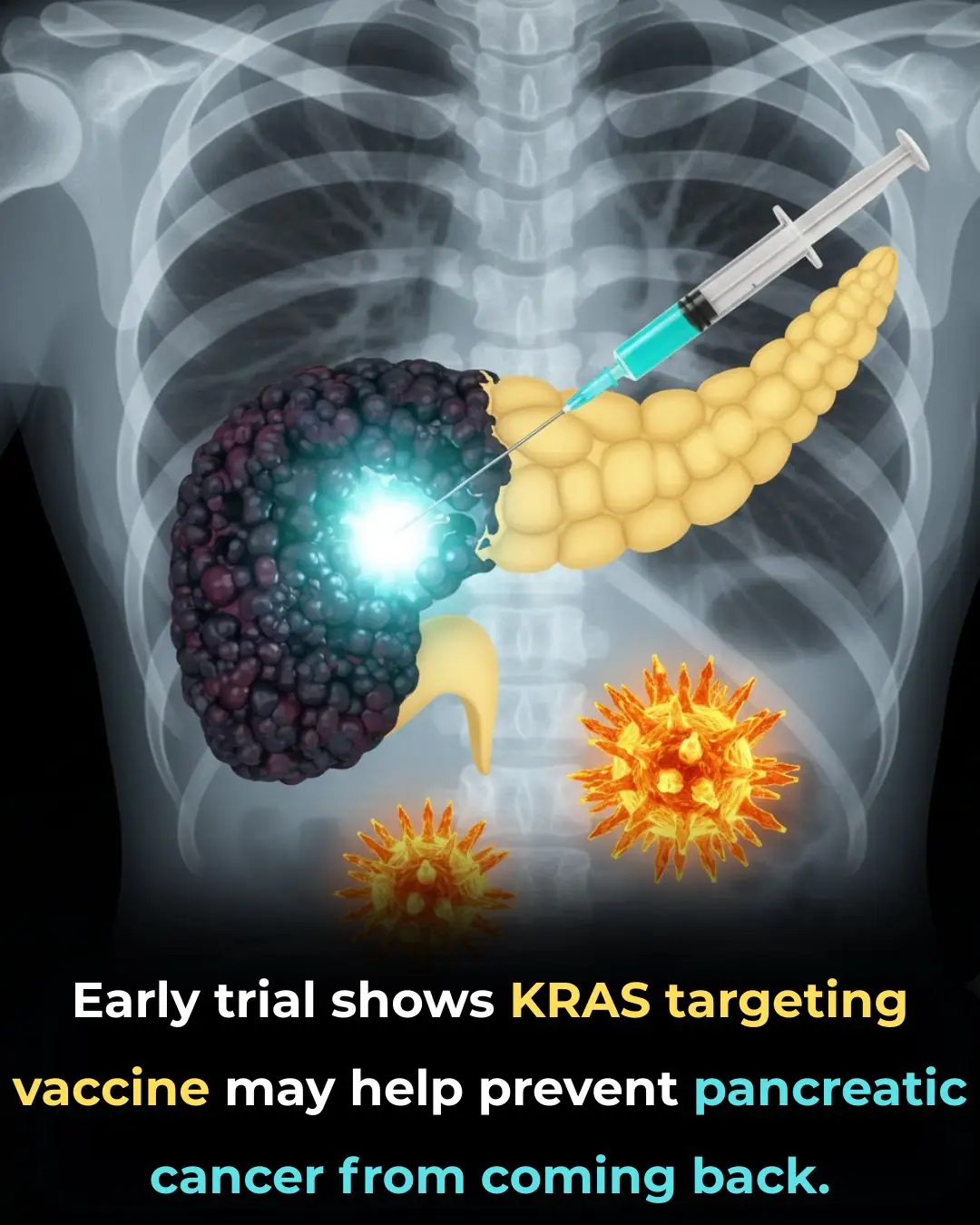
To test whether the approach could be applied more broadly, the research team also evaluated a second version of the vaccine that used tumour lysate as the antigen. Tumour lysate consists of fragmented material from cancer cells and contains a wide range of tumour-associated antigens, allowing the immune system to recognize multiple cancer targets simultaneously. This broader formulation demonstrated effectiveness across several cancer types. Specifically, 88 percent of mice remained tumour-free in pancreatic cancer models, 75 percent in triple-negative breast cancer models, and 69 percent in melanoma models. These cancers are known to be aggressive and difficult to treat, making the results particularly noteworthy.
Further analysis revealed that the vaccine induces durable immune “memory” by generating long-lived T cells and other immune components capable of recognizing cancer cells over time. This immune memory not only prevented initial tumour formation but also appeared to reduce the likelihood of metastasis in the animal models. Such findings are consistent with growing evidence that effective cancer vaccines must stimulate both immediate immune responses and long-term immune surveillance (Finn, 2018).
Despite these promising results, the researchers emphasize that the work remains at an early, experimental stage. All studies to date have been conducted exclusively in mice, and translating these findings to human patients presents significant challenges. Key obstacles include ensuring safety, identifying appropriate antigens that match the diversity of human tumours, understanding potential long-term immune effects, and scaling up manufacturing in a reliable and cost-effective manner. Historically, many cancer vaccines that showed success in animal models have failed to demonstrate similar efficacy in human clinical trials (Butterfield, 2015).
Nevertheless, the researchers view this nanoparticle-based vaccine platform as highly promising, particularly for individuals at high risk of developing cancer or as a complementary therapy alongside existing treatments such as surgery, chemotherapy, or immunotherapy. Advances in nanotechnology and cancer immunology have renewed optimism in the field, with several therapeutic cancer vaccines currently being evaluated in clinical trials worldwide (National Cancer Institute, 2023).
In summary, while substantial work remains before this vaccine could be used in humans, the study provides compelling evidence that nanoparticle-based cancer vaccines may one day play an important role in cancer prevention and control.
Butterfield, L. H. (2015). Cancer vaccines. BMJ, 350, h988.
Finn, O. J. (2018). The dawn of vaccines for cancer prevention. Nature Reviews Immunology, 18(3), 183–194.
National Cancer Institute. (2023). Cancer vaccines. National Institutes of Health.