The oil market is in ‘backwardation’ — Here’s what that means for energy prices
News 26/03/2026 16:21
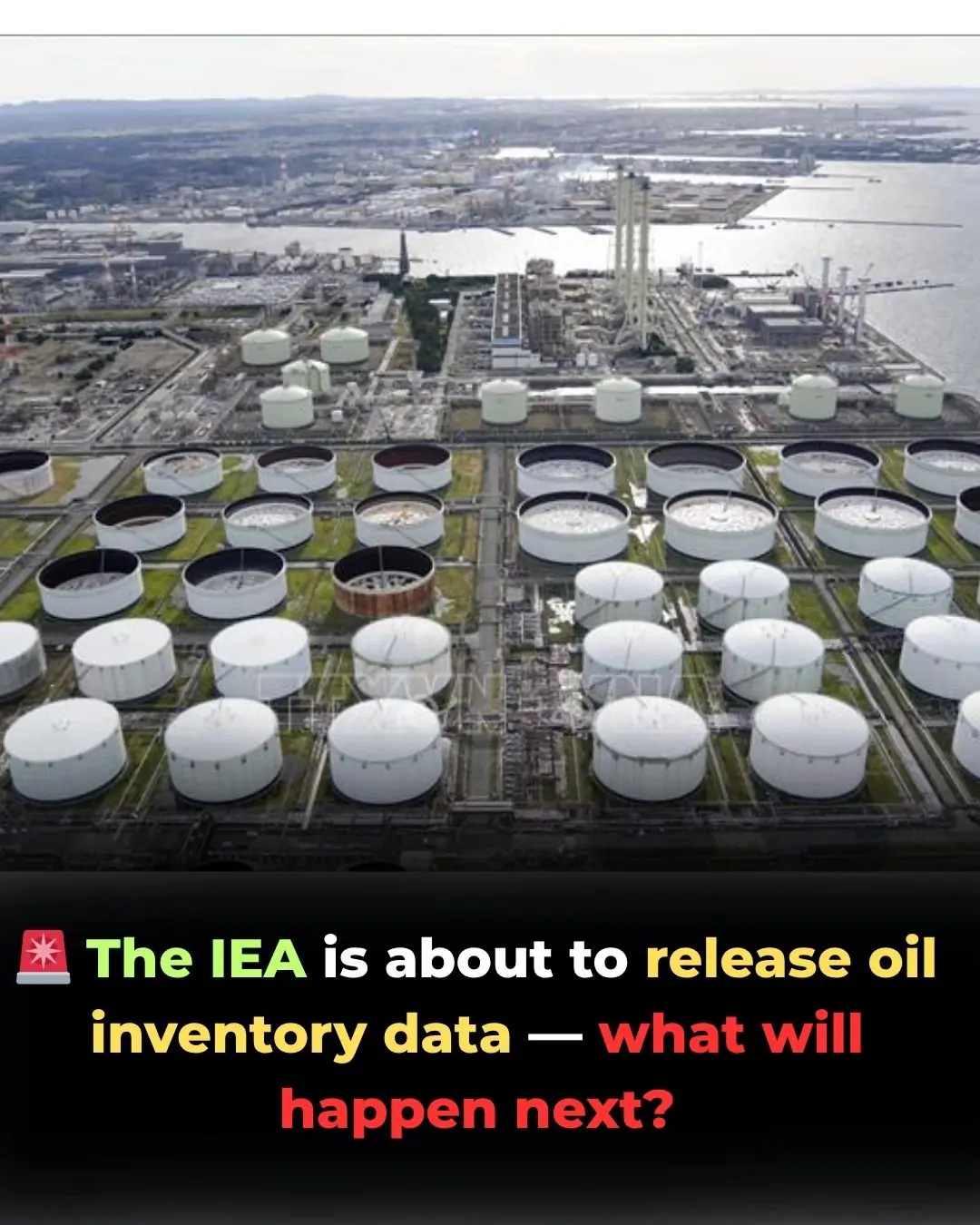
The International Energy Agency (IEA) has announced that it is prepared to deploy additional oil from its strategic reserves if market conditions worsen. This statement comes at a time when global energy markets are facing renewed uncertainty due to geopolitical tensions, supply disruptions, and fluctuating demand.
The IEA, which represents major oil-consuming nations, plays a critical role in maintaining stability in the global energy system. One of its key tools is the coordinated release of strategic petroleum reserves (SPRs), designed to prevent sharp price spikes and ensure supply during emergencies.
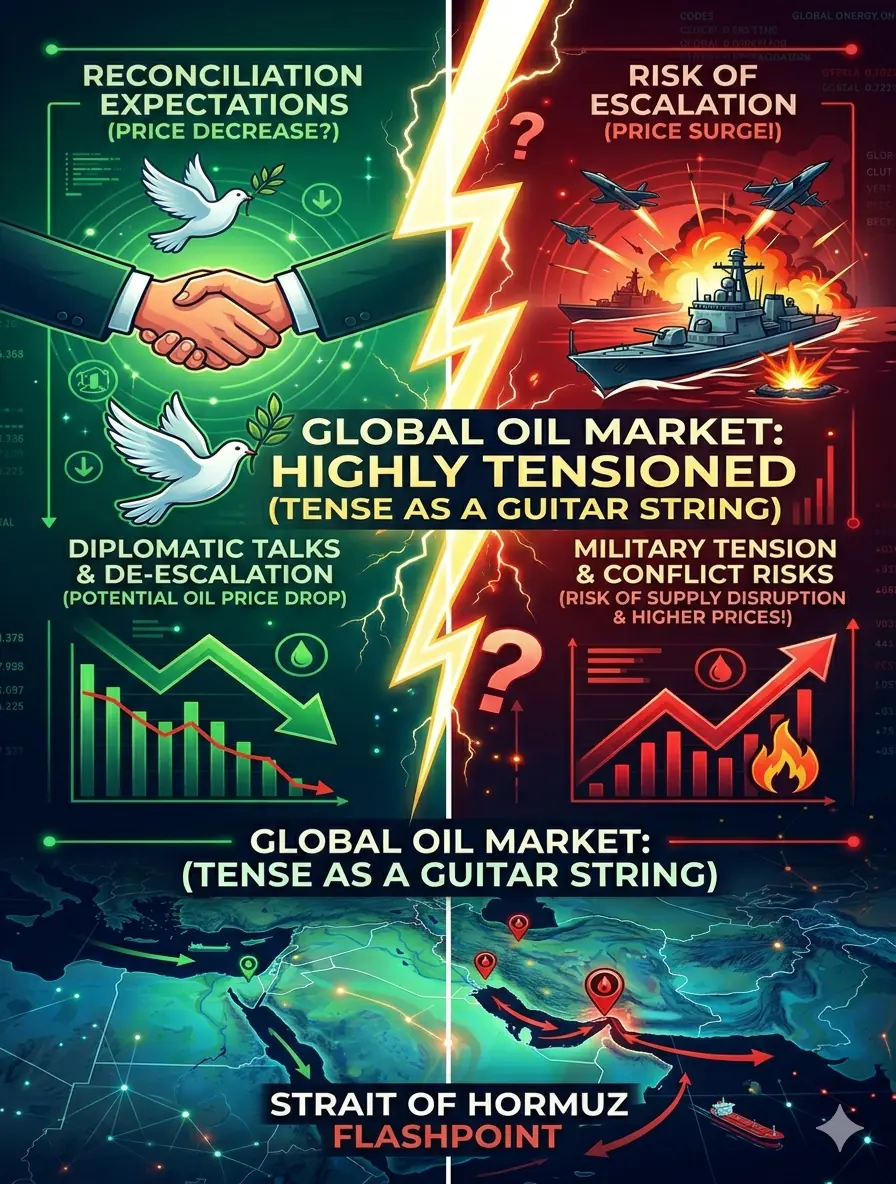
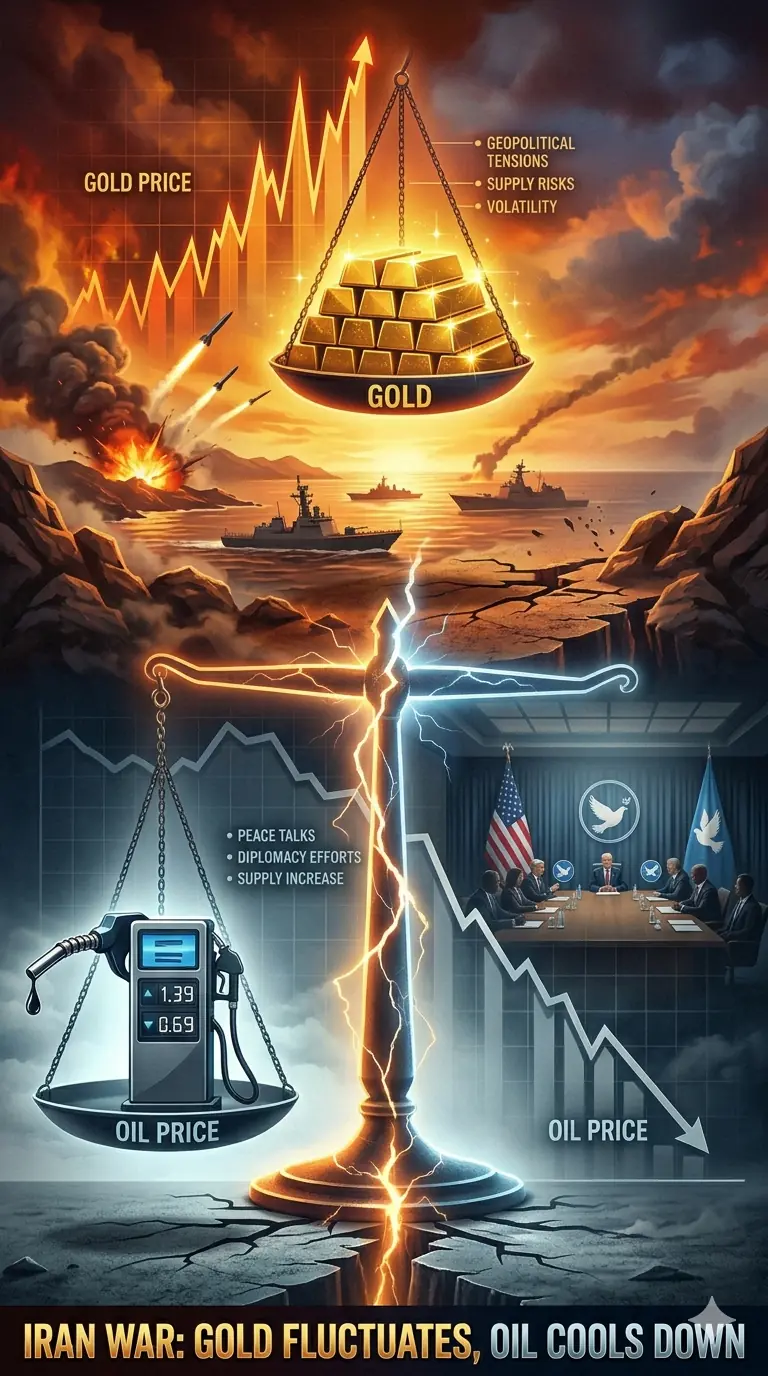
The possibility of releasing oil reserves is often linked to sudden disruptions in supply. Ongoing geopolitical conflicts, particularly in key oil-producing regions, have increased the risk of supply shortages. Any escalation could lead to reduced exports, tighter supply, and rising oil prices.
Additionally, market volatility has been intensified by unpredictable demand patterns. As economies continue to recover and adapt, energy consumption remains uneven, making it harder to maintain a stable balance between supply and demand.
By signaling its readiness to act, the IEA aims to reassure markets and prevent panic-driven price surges.
Historically, announcements of oil reserve releases have had an immediate psychological effect on the market. Prices often stabilize or decline slightly as traders anticipate an increase in supply.
However, the long-term impact depends on the scale and duration of the release. If the supply disruption is prolonged, reserve releases may only provide temporary relief rather than a lasting solution.
Investors and analysts are closely monitoring the situation, as any actual deployment by the IEA could influence crude oil benchmarks such as Brent and WTI.
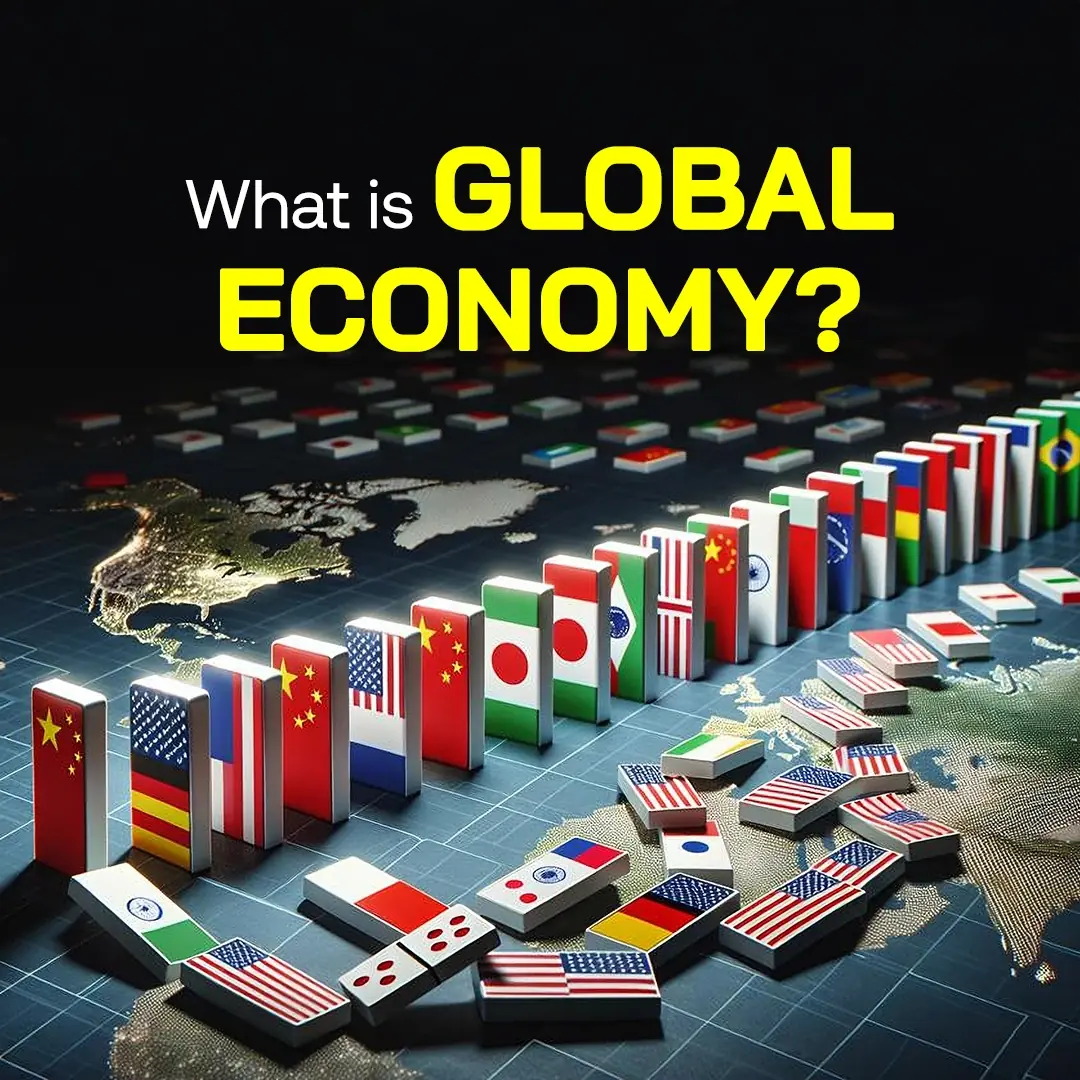
Oil prices are a key driver of inflation and economic stability. A sudden spike in energy costs can increase transportation and production expenses, ultimately affecting consumer prices worldwide.
By preparing to release reserves, the IEA is taking a proactive step to mitigate these risks. Stable energy prices can help support economic growth and reduce pressure on households and businesses.
While the IEA has not yet confirmed a specific timeline for any release, its statement serves as a warning that the agency is ready to intervene if necessary. The global energy market remains highly sensitive to political developments, supply chain disruptions, and economic shifts.
In the coming weeks, all eyes will be on geopolitical developments and oil supply data. If conditions deteriorate, a coordinated release of oil reserves could become a crucial tool in stabilizing the market.
The IEA’s readiness to deploy oil reserves highlights the fragile state of the global energy market. While the move could help prevent extreme price volatility, it also underscores the ongoing risks facing oil supply worldwide.
For now, the announcement acts as both a reassurance and a warning — the situation remains uncertain, and swift action may be needed to maintain balance in the global energy system.