The oil market is in ‘backwardation’ — Here’s what that means for energy prices
News 26/03/2026 16:21
Global oil prices have surged once again, with Brent crude climbing back to $103 per barrel and WTI crude exceeding $91, as markets react to ongoing geopolitical uncertainty in the Middle East. Investors are closely watching developments involving Iran, with tensions remaining high and no clear resolution in sight.
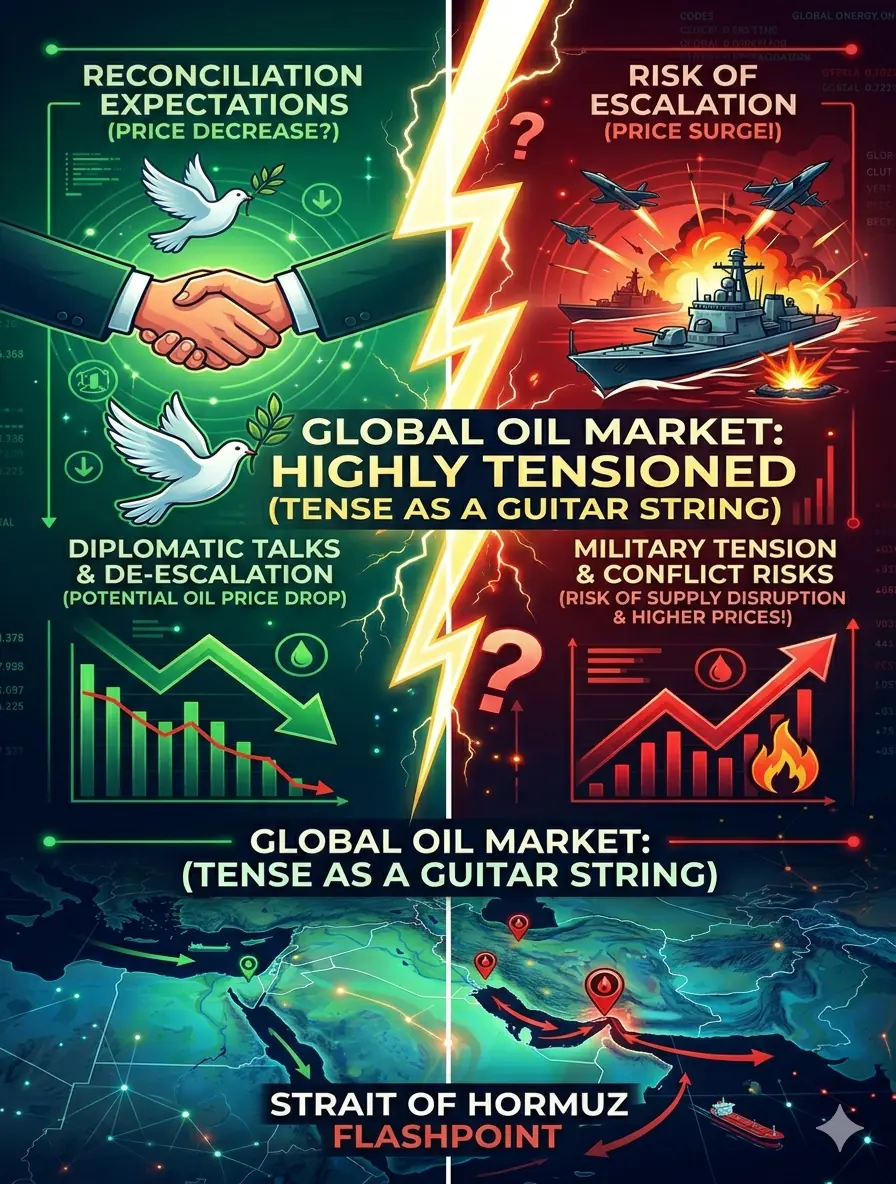
The oil market is currently in a fragile state, balancing between hopes for diplomatic progress and fears of further escalation. This uncertainty has created a volatile environment where prices can swing sharply within a short period.
One of the key drivers behind the recent oil price surge is Iran’s response to a proposed conflict resolution from the United States. While discussions are reportedly underway, Iran has yet to give a definitive approval, leaving markets in a state of anticipation.
This hesitation signals that geopolitical risks are far from over. Traders and analysts are interpreting Iran’s stance as a sign that tensions could persist or even intensify, which directly impacts oil supply expectations.
In global energy markets, uncertainty often translates into higher prices. The longer Iran delays its decision, the more pressure builds on oil prices.
Another major concern is the Strait of Hormuz, one of the world’s most strategically important oil transit routes. Approximately 20% of global oil supply passes through this narrow waterway, making it a critical artery for international energy trade.
Any disruption in this region—whether due to military conflict, political tension, or logistical issues—could significantly impact global supply chains. Even the possibility of disruption is enough to trigger price increases, as markets tend to react preemptively to potential risks.
The current situation has heightened fears that supply routes could be affected, pushing traders to factor in a geopolitical risk premium.

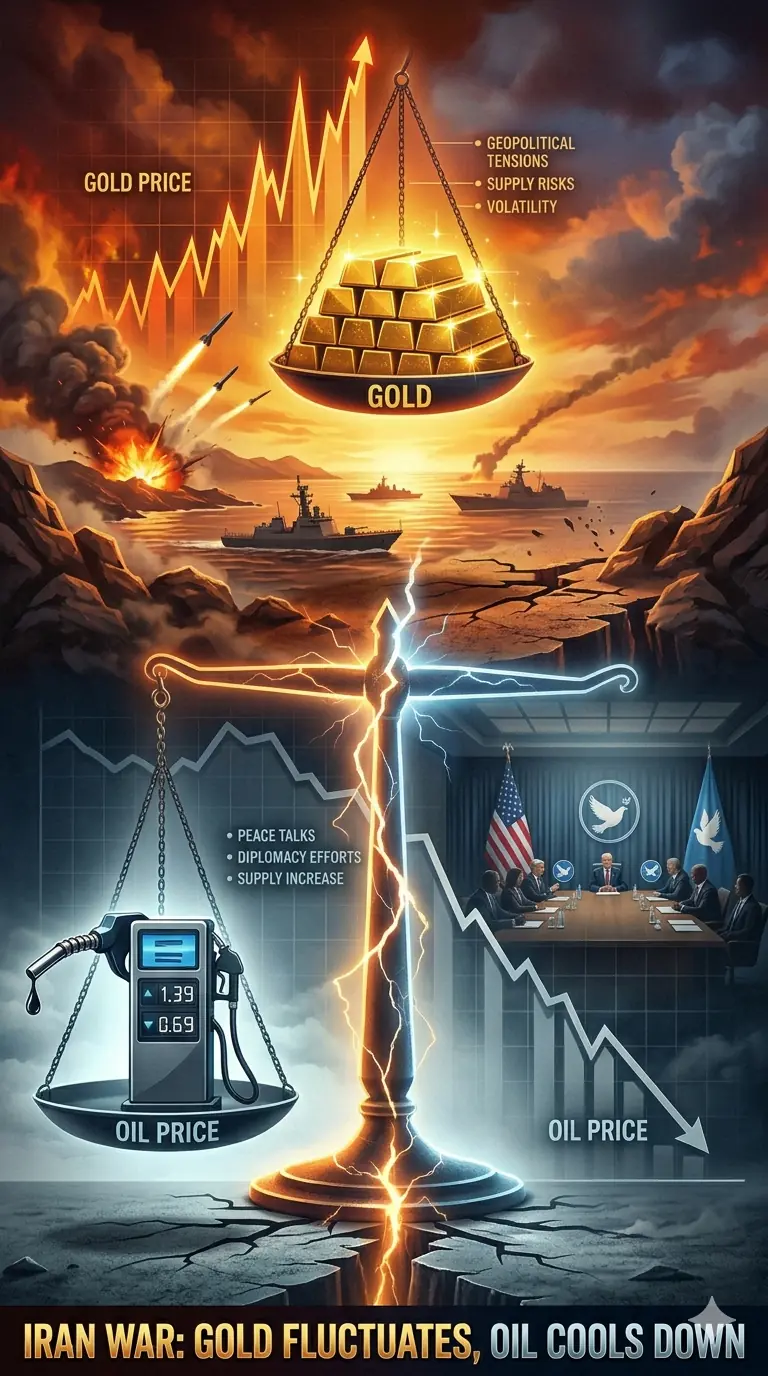
Oil prices are now caught in a classic tug-of-war scenario:
This dual force is creating a volatile and unpredictable market environment, where prices fluctuate based on every new headline or political signal.
Investors are essentially “holding their breath,” waiting for clearer direction from geopolitical developments.
The short-term direction of oil prices will largely depend on how the situation unfolds in the Middle East. There are two primary scenarios:
If Iran agrees to diplomatic proposals and tensions ease:
If tensions intensify or negotiations fail:
At this stage, both scenarios remain plausible, which explains the current price volatility.
Rising oil prices don’t just affect energy markets—they have a ripple effect across the global economy.
For countries heavily reliant on oil imports, this situation poses additional economic challenges.

The current surge in oil prices is not just about supply and demand—it reflects deeper geopolitical tensions that could reshape the global energy landscape.
With the Middle East remaining “tense like a stretched string,” the market is entering a phase where every political move carries significant economic consequences.
For investors, businesses, and policymakers, staying informed and prepared is more important than ever.
Oil prices are rising again as geopolitical tensions in the Middle East continue to dominate market sentiment. With Brent at $103 and WTI above $91, the world is watching closely for Iran’s next move and potential developments in the Strait of Hormuz.
The market remains in a delicate balance between hope and uncertainty. What happens next will determine whether oil prices stabilize—or surge even higher in the coming days.