
Debate: Asking Babies for Consent Before Changing Their Diapers
Debate: Asking Babies for Consent Before Changing Their Diapers
News 12/06/2026 14:55
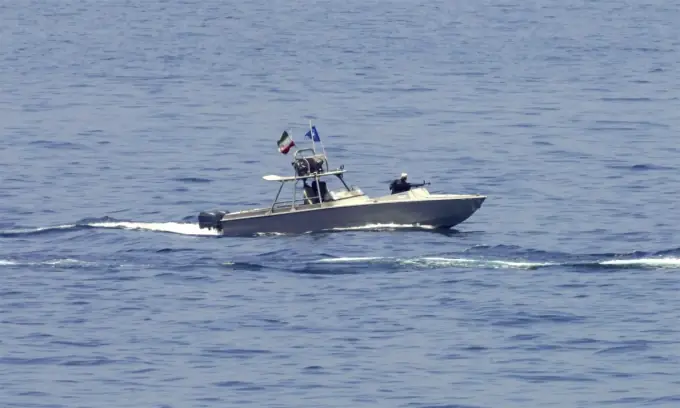
Iran has said it collected its first revenues from tolls imposed on ships transiting the Strait of Hormuz, marking a major escalation in its control over one of the world’s most strategically important energy routes.
Parliament Deputy Speaker Hamidreza Haji Babaei said on Thursday the first payments had already been transferred to the Central Bank.
“First revenues from transit fees in the Strait of Hormuz have been deposited into the Central Bank account,” he said, according to the semi-official Tasnim News Agency.
Lawmaker Alireza Salimi also confirmed that Iran had begun collecting fees from vessels passing through the narrow waterway, citing what he described as reliable sources.
Neither official disclosed how many ships had paid or the total amount collected.
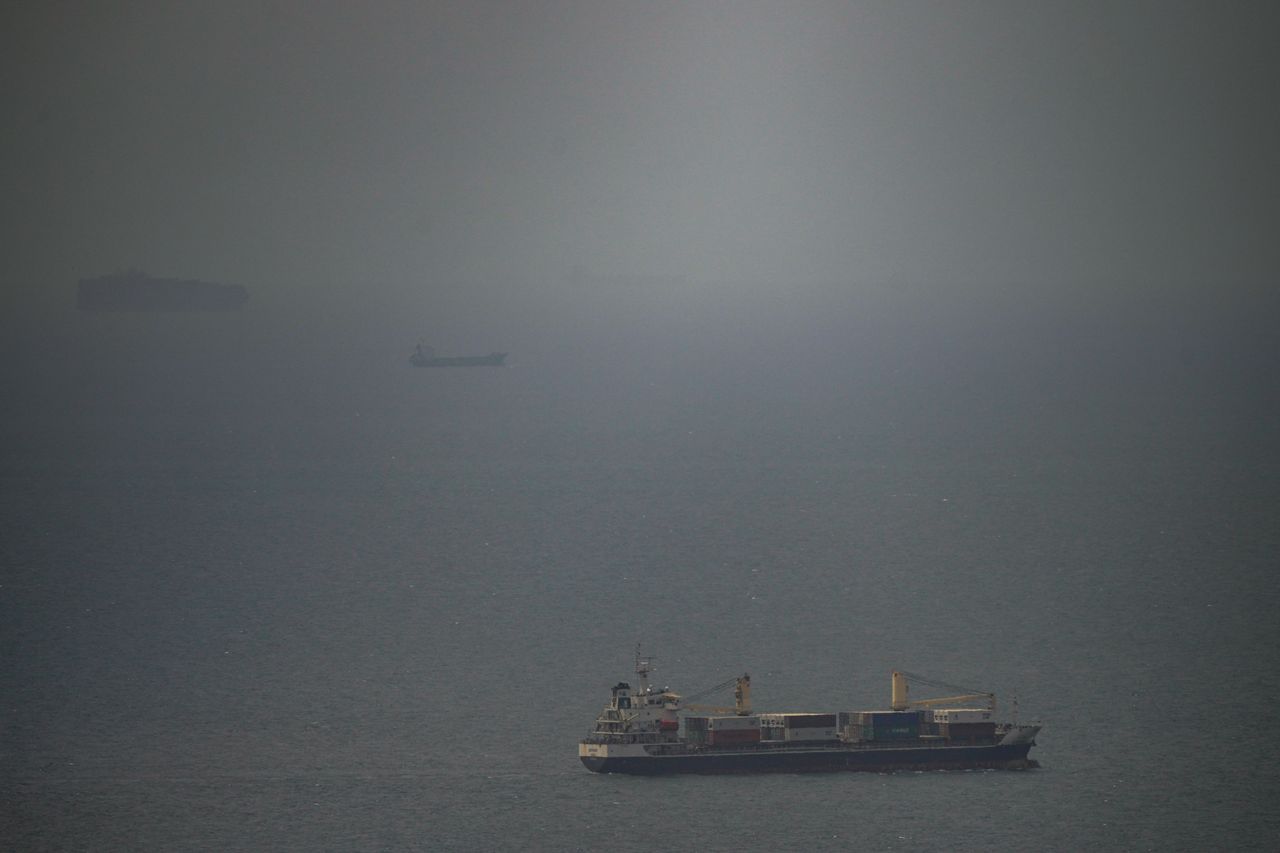
Fees based on cargo and risk
According to Tasnim, the charges vary depending on the type and volume of cargo as well as the level of risk posed by each vessel.
Iran is setting both the pricing structure and the collection mechanism.
Later on Thursday, Iran’s central bank said the payments were received in “cash currency,” rejecting earlier reports that Tehran had demanded payment in cryptocurrency.
The clarification followed a Wall Street Journal report on April 8 that said Iran had ordered ships to arrange toll payments in advance with the Islamic Revolutionary Guard Corps and make payments in cryptocurrency or Chinese yuan.
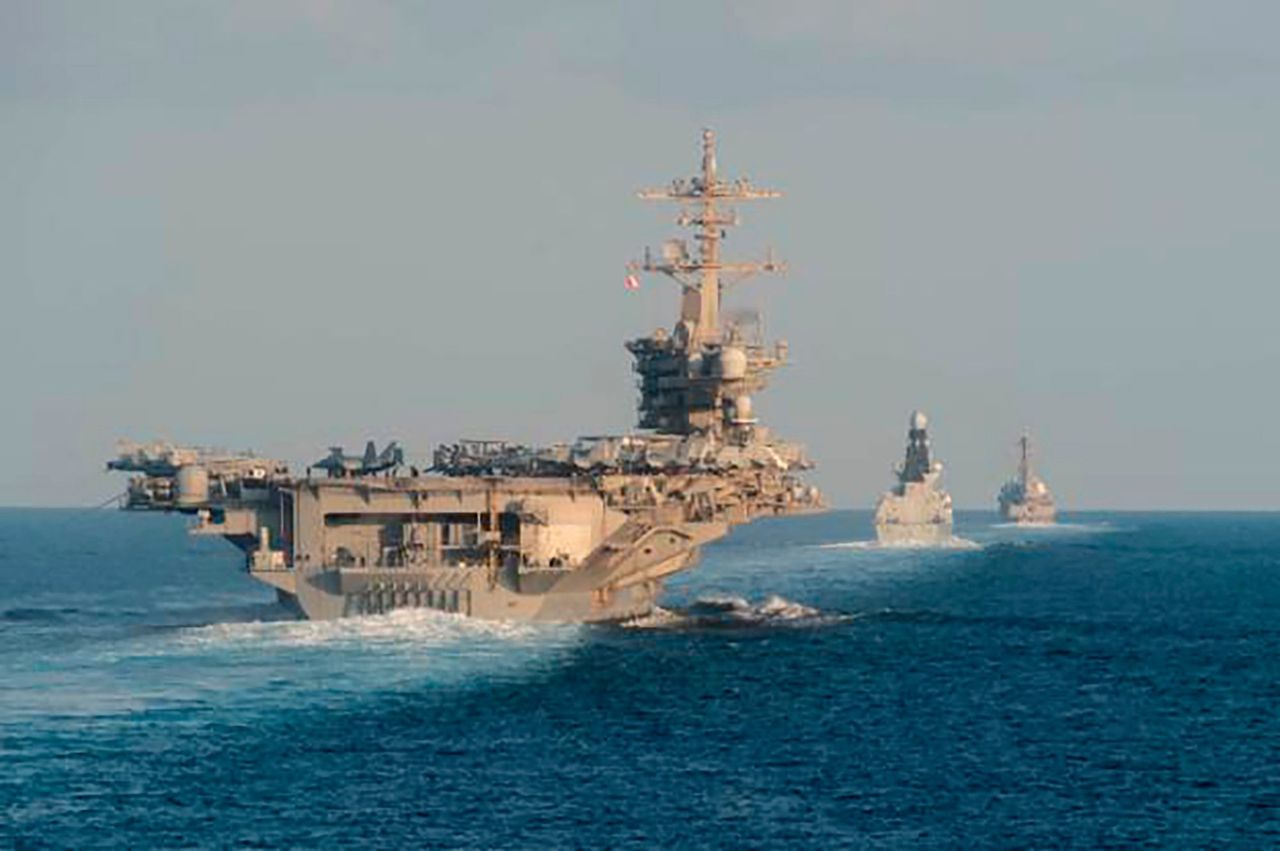
Shipping route at the centre of global tensions
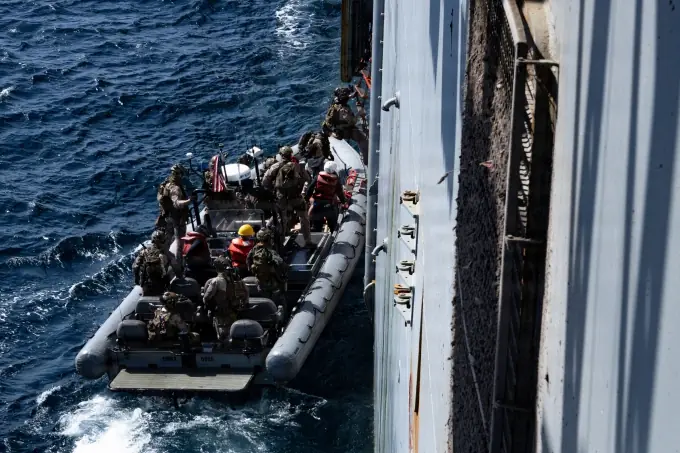
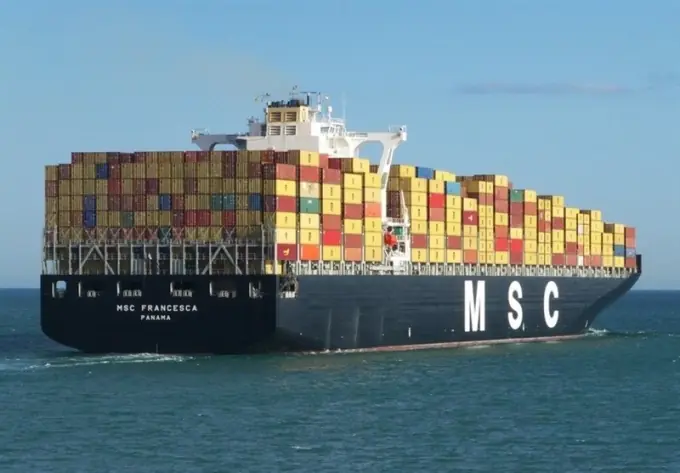
The Strait of Hormuz handles around one-fifth of the world’s oil and gas supplies, making it one of the most sensitive maritime chokepoints in global trade.
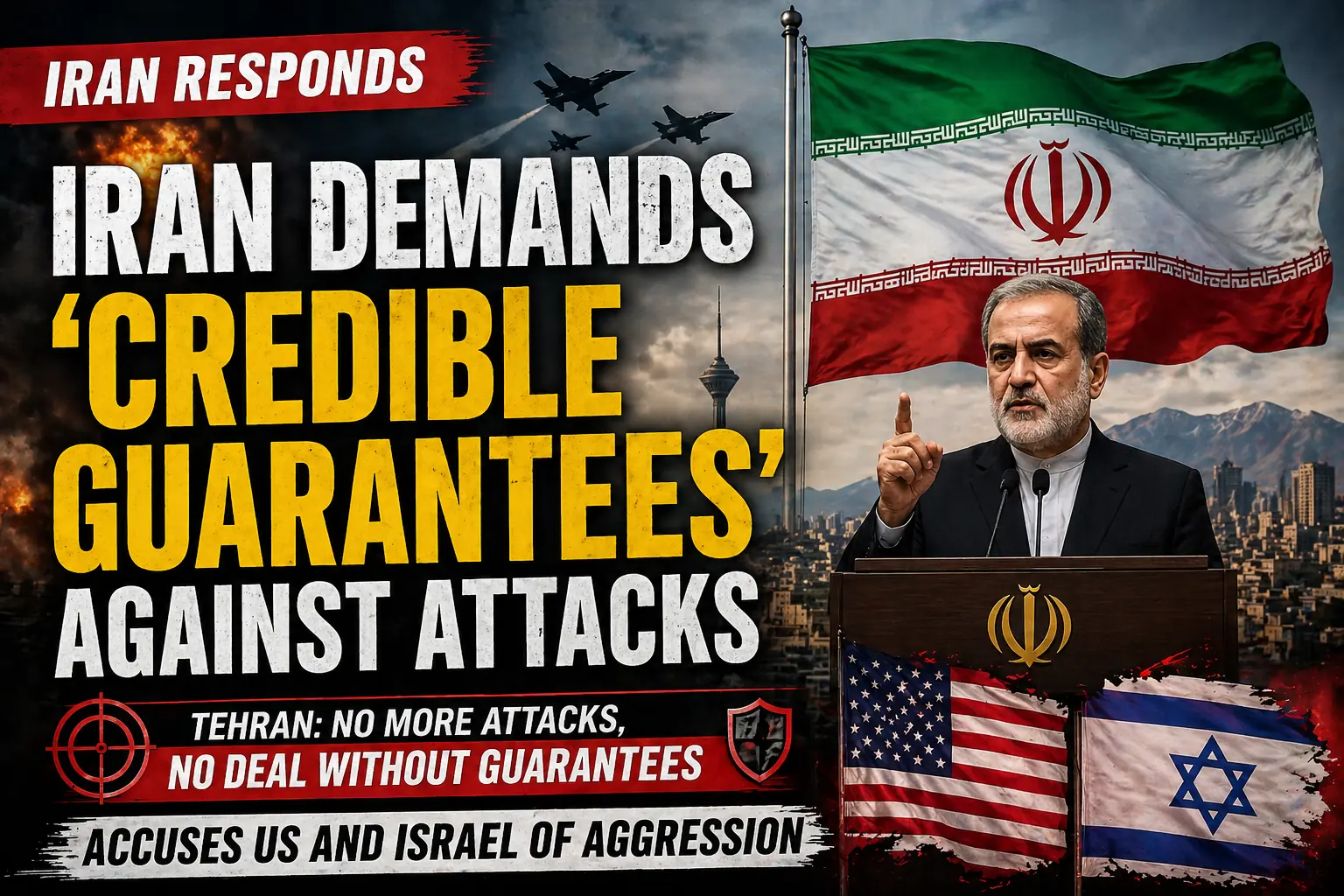
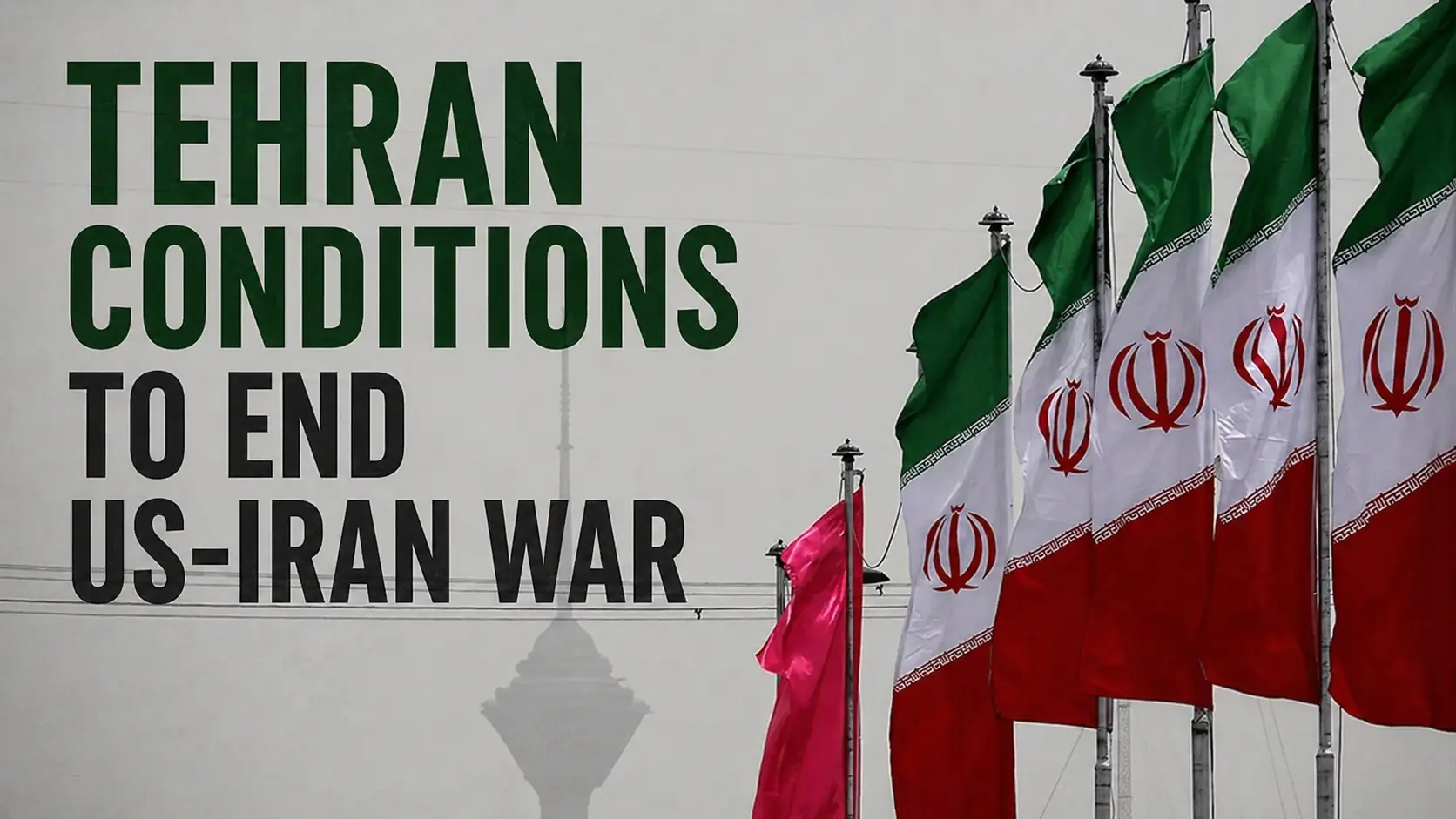
Shipping traffic through the route has been heavily disrupted since the US-Israeli war on Iran began on February 28, triggering sharp volatility in energy markets and fears of wider economic fallout.
In March, Iran’s semi-official ISNA news agency reported that lawmakers were considering legislation requiring countries to pay fees for ships using the corridor.
Thursday’s announcement suggests that policy is now being enforced.
The move comes as a fragile ceasefire remains in place.
US President Donald Trump on Tuesday extended the ceasefire with Iran following a request from Pakistan, saying it would remain in effect until Tehran presents what he called a “unified proposal.”
Debate: Asking Babies for Consent Before Changing Their Diapers













Narcissistic Personality Disorder Signs
Debate: Asking Babies for Consent Before Changing Their Diapers

Study identifies possible connection to autism development

Check your personality based on the word that comes to your mind first