
Debate: Asking Babies for Consent Before Changing Their Diapers
Debate: Asking Babies for Consent Before Changing Their Diapers
News 12/06/2026 14:55
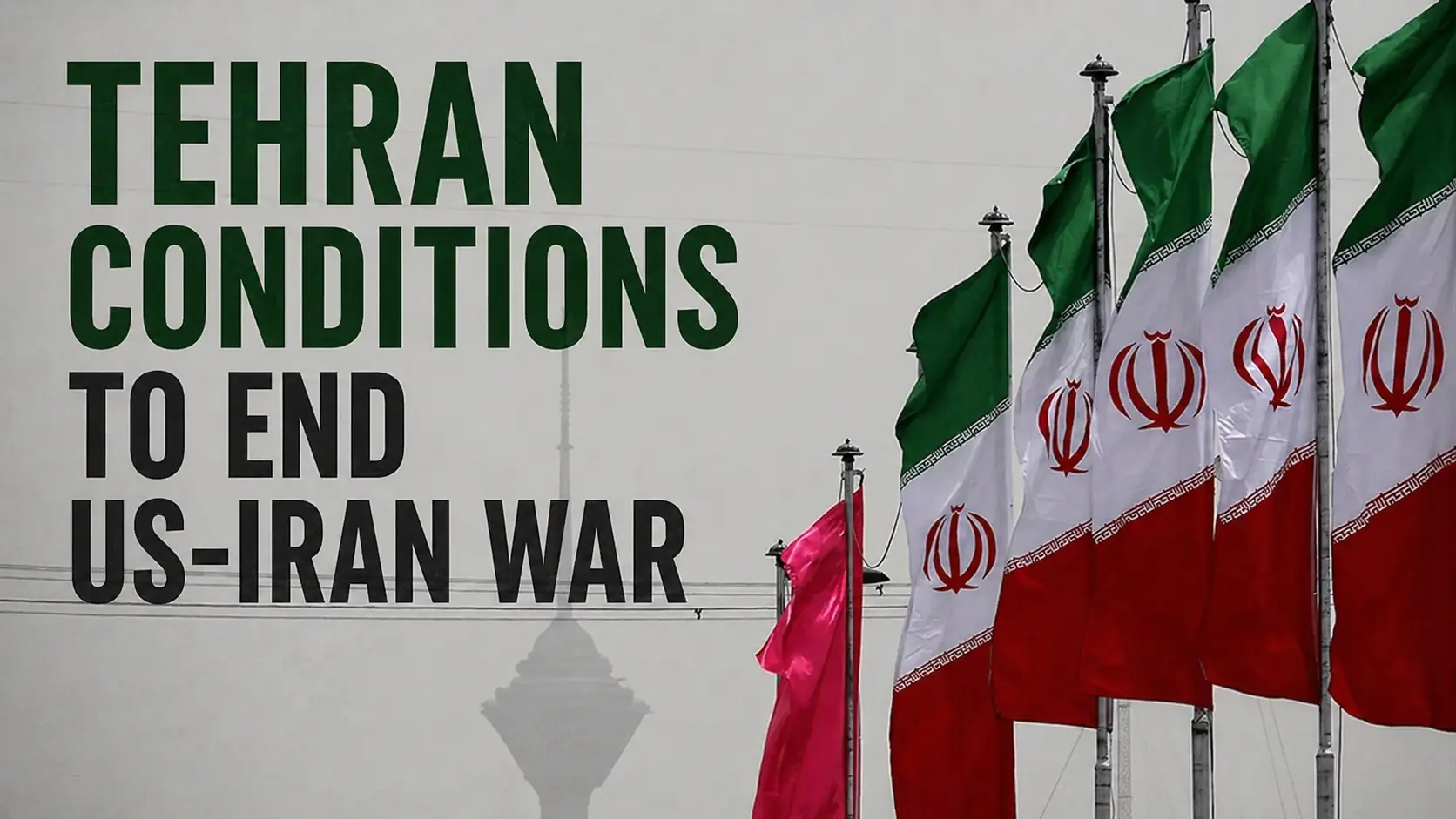
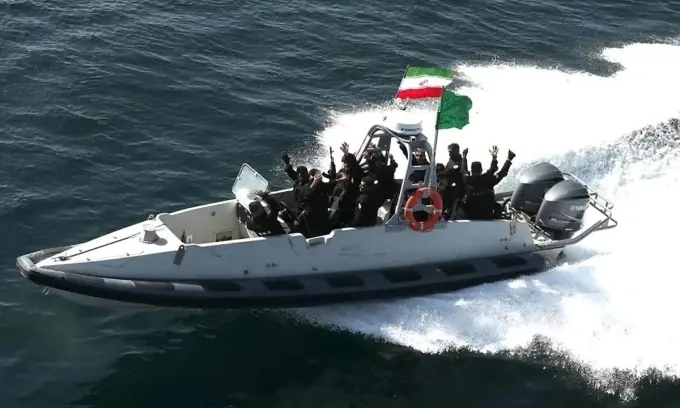
Iranian President Masoud Pezeshkian criticized the US blockade of the region's waters as one of the main obstacles to negotiations.
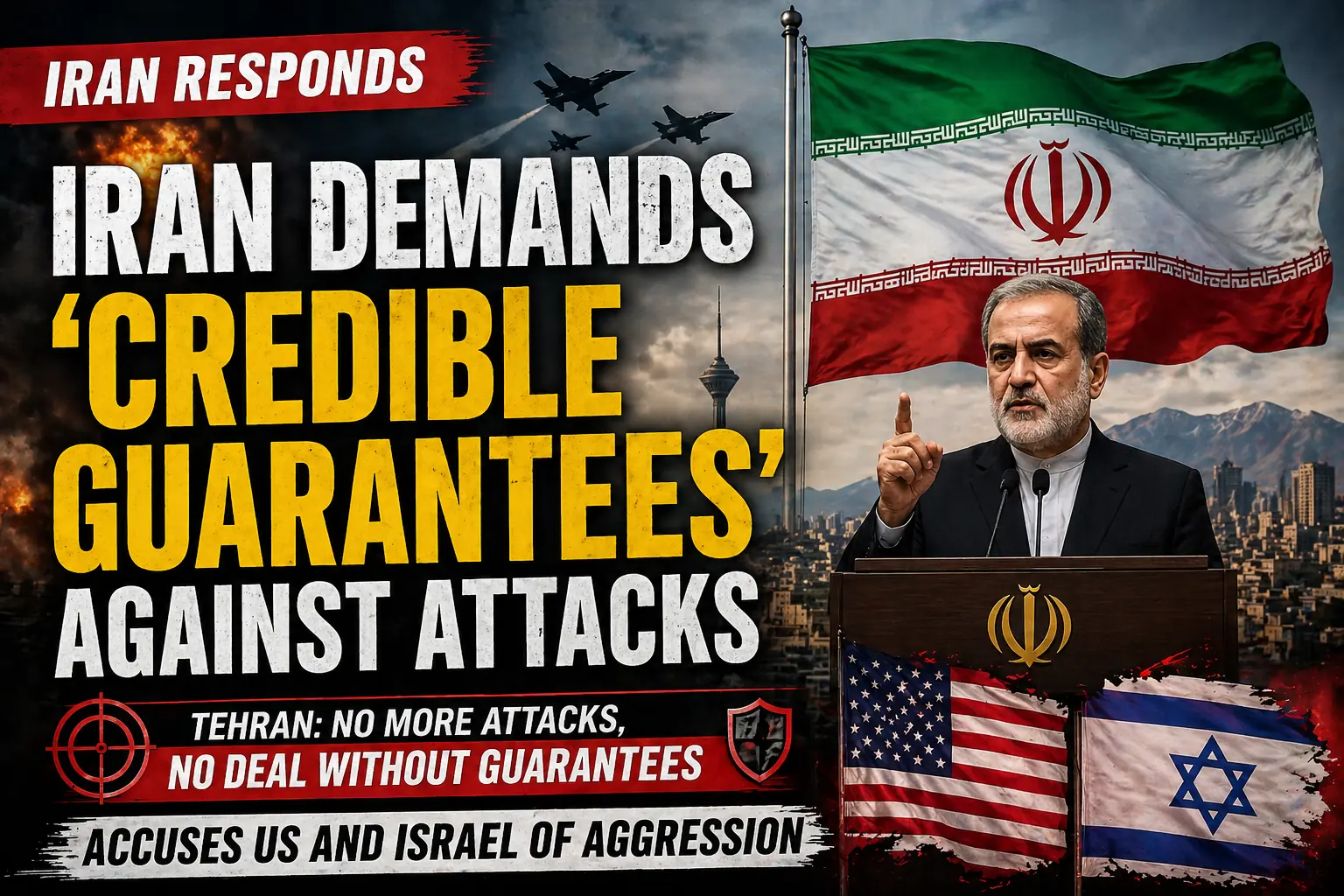
On April 22, President Pezeshkian posted a message on X stating that Tehran wants to continue peace talks, but that "violations of commitments, blockades, and threats" from the US are hindering substantive dialogue.
He criticized Washington's inconsistency, saying the world is witnessing "hypocritical statements and contradictions between words and actions" from the US.
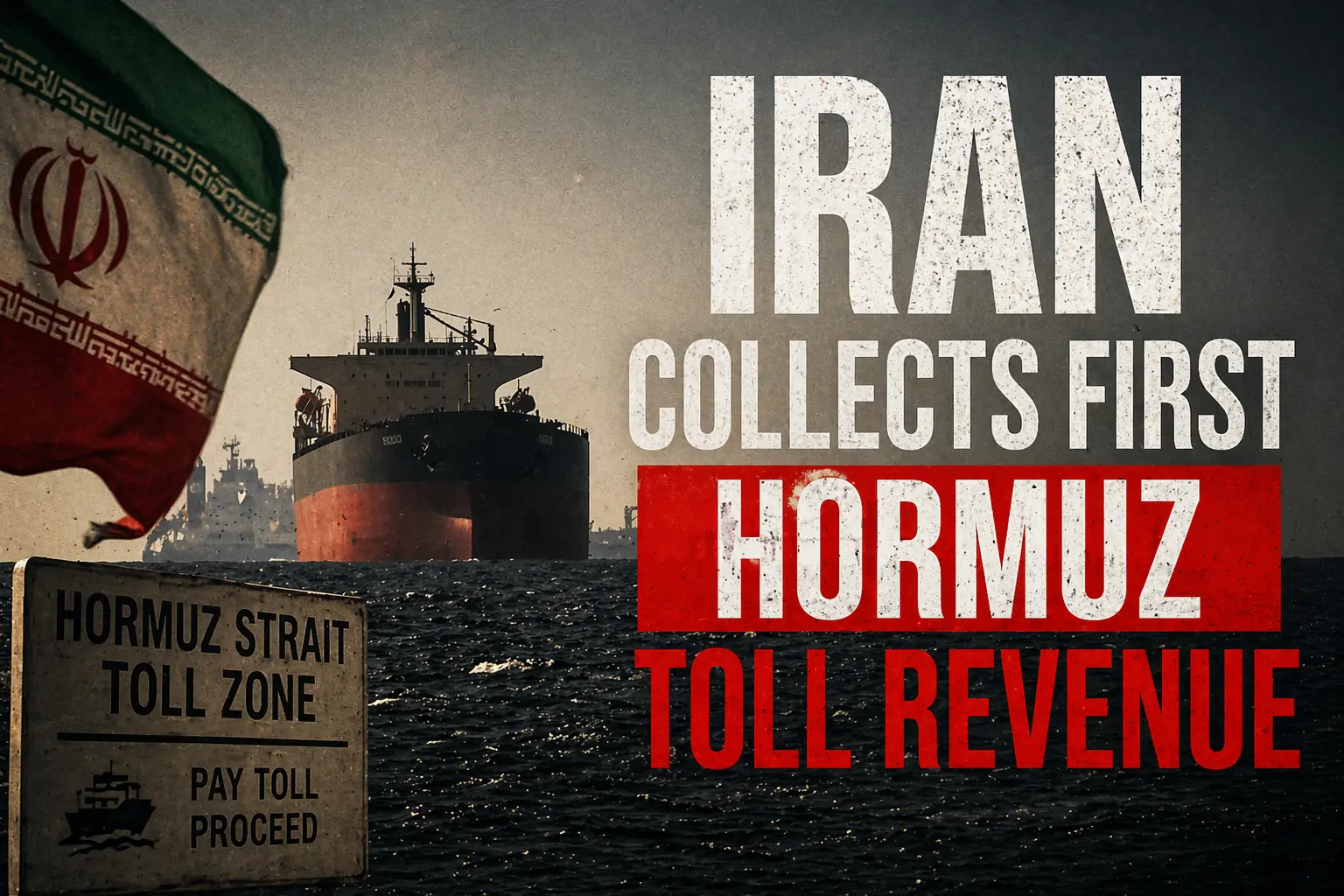
On the same day, Iranian Parliament Speaker Mohammad Bagher Qalibaf, who led the negotiating team with the US in Islamabad, said that reopening the Strait of Hormuz would not be possible if "blatant violations" of the ceasefire by the US continued.
He cited the US's continued blockade of Iranian trade in international waters and repeated Israeli attacks in Lebanon as prime examples.

The US amphibious assault ship USS Rushmore operates in the Arabian Sea on April 19 as part of the blockade of Iranian ports. Photo: X/CENTCOM
According to Mr. Qalibaf, the US is pressuring Iran to accept a deal under Washington's conditions. The first round of negotiations, mediated by Pakistan in Islamabad on April 12, broke down without a result. Tehran has so far not committed to participating in the second round of talks because the US has imposed "excessive" conditions and imposed a blockade on Iranian seaports.
"They have failed to achieve their goals through military action and will not succeed through bullying. The only solution is to respect the rights of the Iranian people," Mr. Qalibaf said.
This statement comes a day after US President Donald Trump announced an extension of the ceasefire with Iran until Tehran makes a proposal to end the long-term conflict, while affirming that the US military will maintain its blockade.
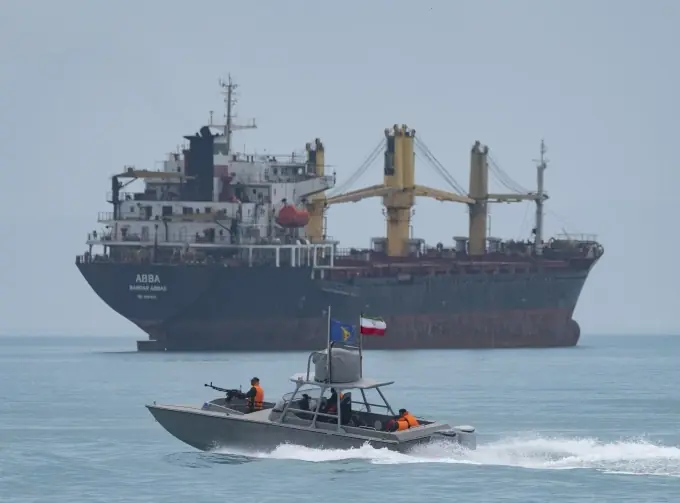
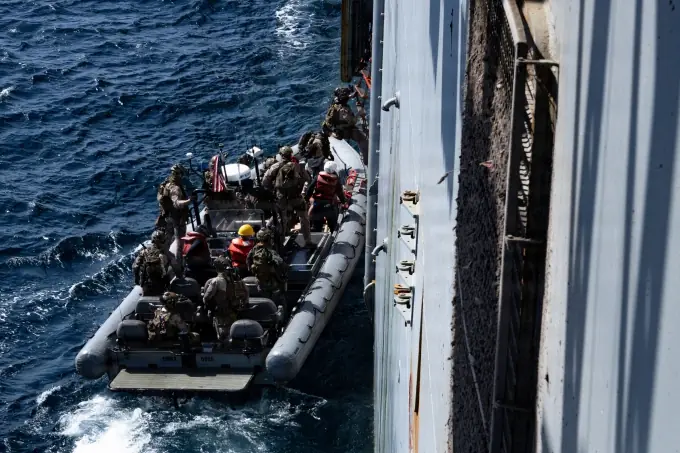
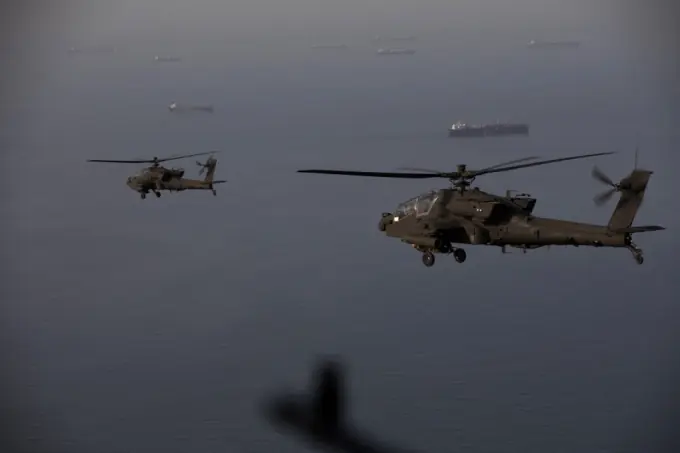
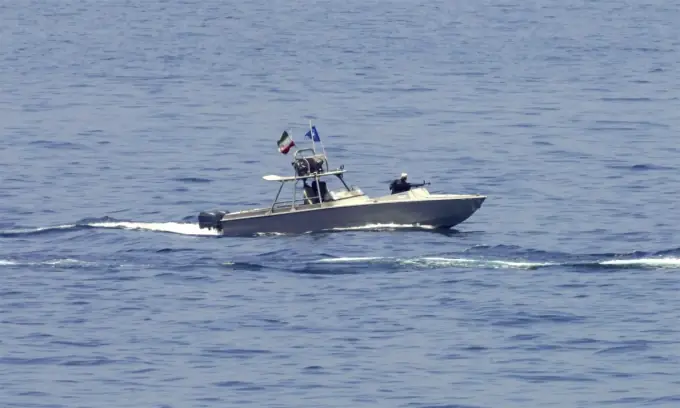
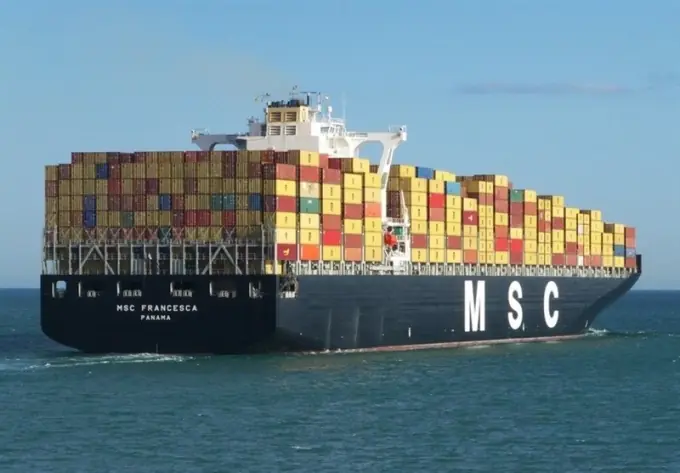
The US Navy shelled and seized an Iranian cargo ship attempting to break through a blockade last weekend, while Iran also fired on and seized two international cargo ships on April 22nd as they tried to secretly pass through the Strait of Hormuz.

Location of the Strait of Hormuz and Iran. Graphic: Guardian
The International Maritime Organization (IMO) condemned the recent attacks and seizures of commercial ships in the strait. The IMO said many sailors face prolonged stress due to the risk of missiles, debris hitting their vessels, shortages of supplies, and difficulty communicating with their families. The International Transport Workers' Union has received nearly 2,000 requests for assistance from sailors and their relatives since the conflict broke out.
IMO Secretary-General Arsenio Dominguez called for an end to the "reckless" actions and the immediate release of the ships and sailors. He said the situation in the region remains very unstable, with nearly 20,000 seafarers stranded in the Persian Gulf.
Meanwhile, White House Press Secretary Caroline Leavitt said President Trump did not consider Iran's seizure of ships in the Strait of Hormuz a violation of the ceasefire, as these ships did not belong to the US or Israel.
She argued that the US blockade was working, while dismissing reports of a 3-5 day deadline for the ceasefire. President Trump also said he was "not in a hurry" and wanted to reach the best possible agreement through negotiations, arguing that the blockade put more pressure on Iran than the airstrikes.
Debate: Asking Babies for Consent Before Changing Their Diapers













Narcissistic Personality Disorder Signs
Debate: Asking Babies for Consent Before Changing Their Diapers

Study identifies possible connection to autism development

Check your personality based on the word that comes to your mind first