The tense situation in the Strait of Hormuz is expected to last for years, as Iran asserts its ability to maintain control of this strategic waterway.
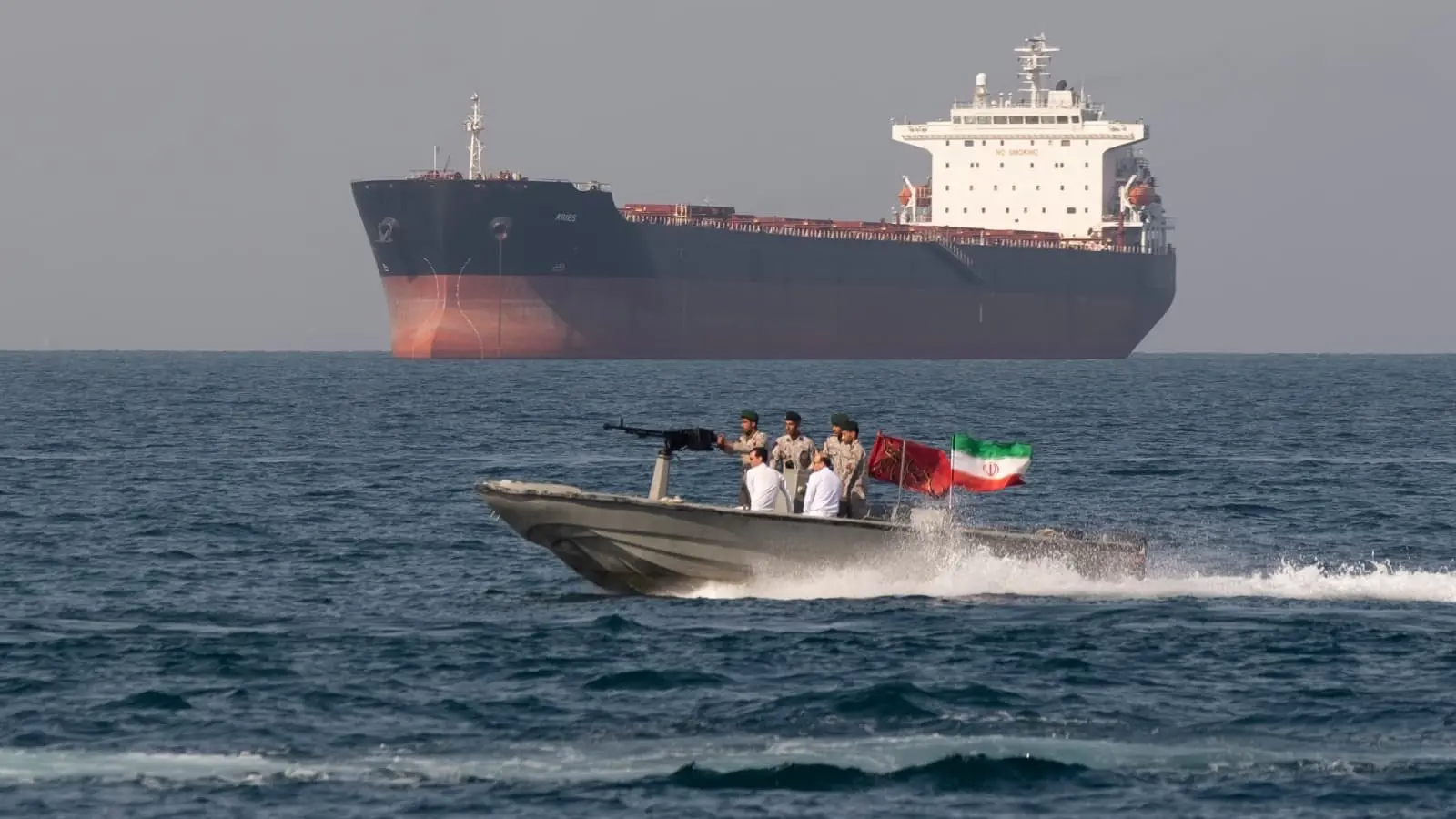
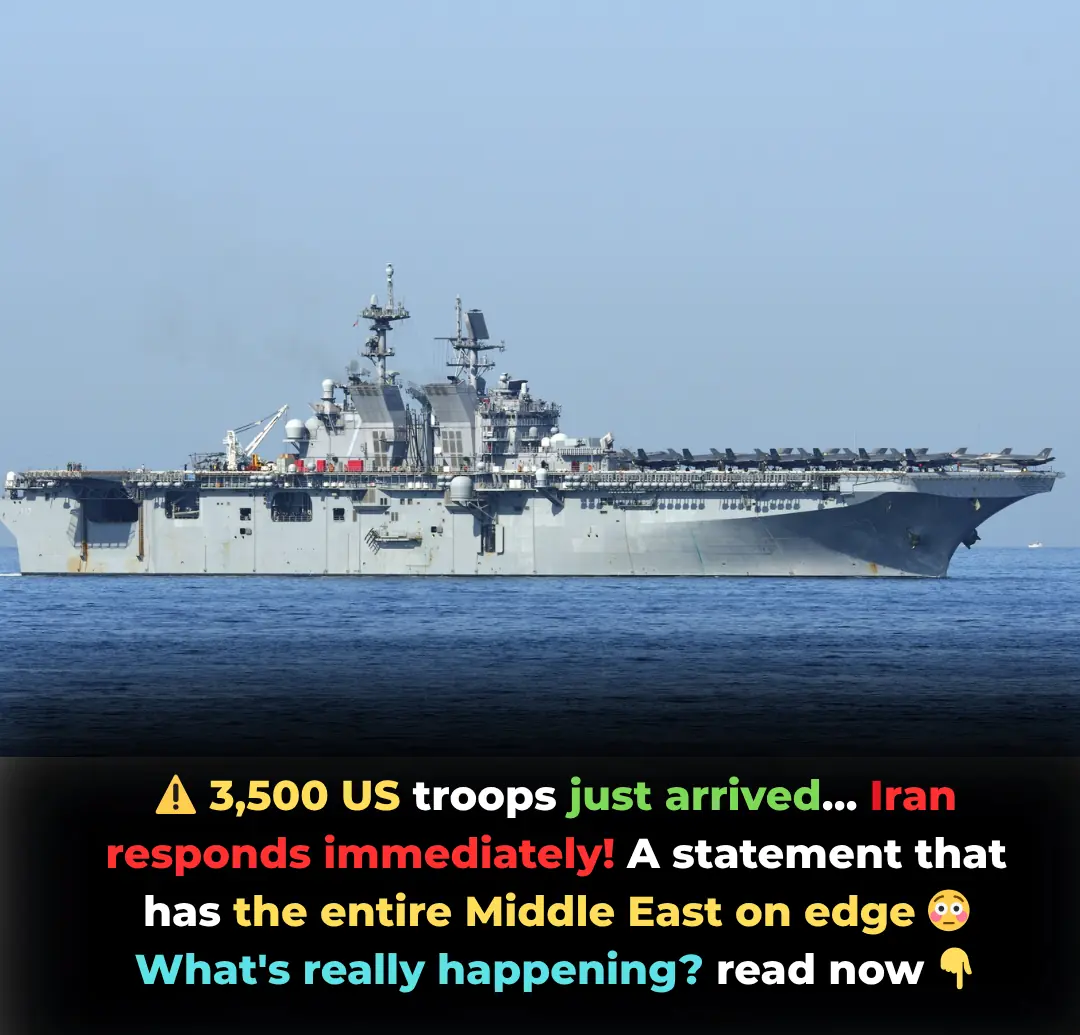
In an interview with Press TV, a senior Iranian security official (speaking on condition of anonymity) stated that Tehran's particular sensitivity to the Strait of Hormuz stems from the fact that much of the logistical support for US military bases in the region is transported by sea.
"Iran is capable of maintaining this situation for many years," the official said, referring to the closure of the strategic waterway to US and allied ships.
According to the official, Iran has no reason to continue allowing such shipping. He emphasized that if control of the strait had been implemented sooner, the enemy's logistical capabilities could have been significantly diminished.
"Most of the equipment used to supply U.S. military bases and garrisons in the region is transported by sea, and Iran cannot be allowed to continue this," he said.
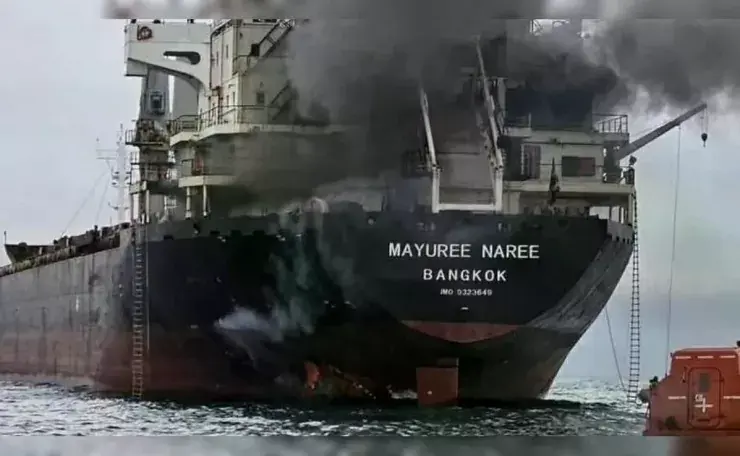
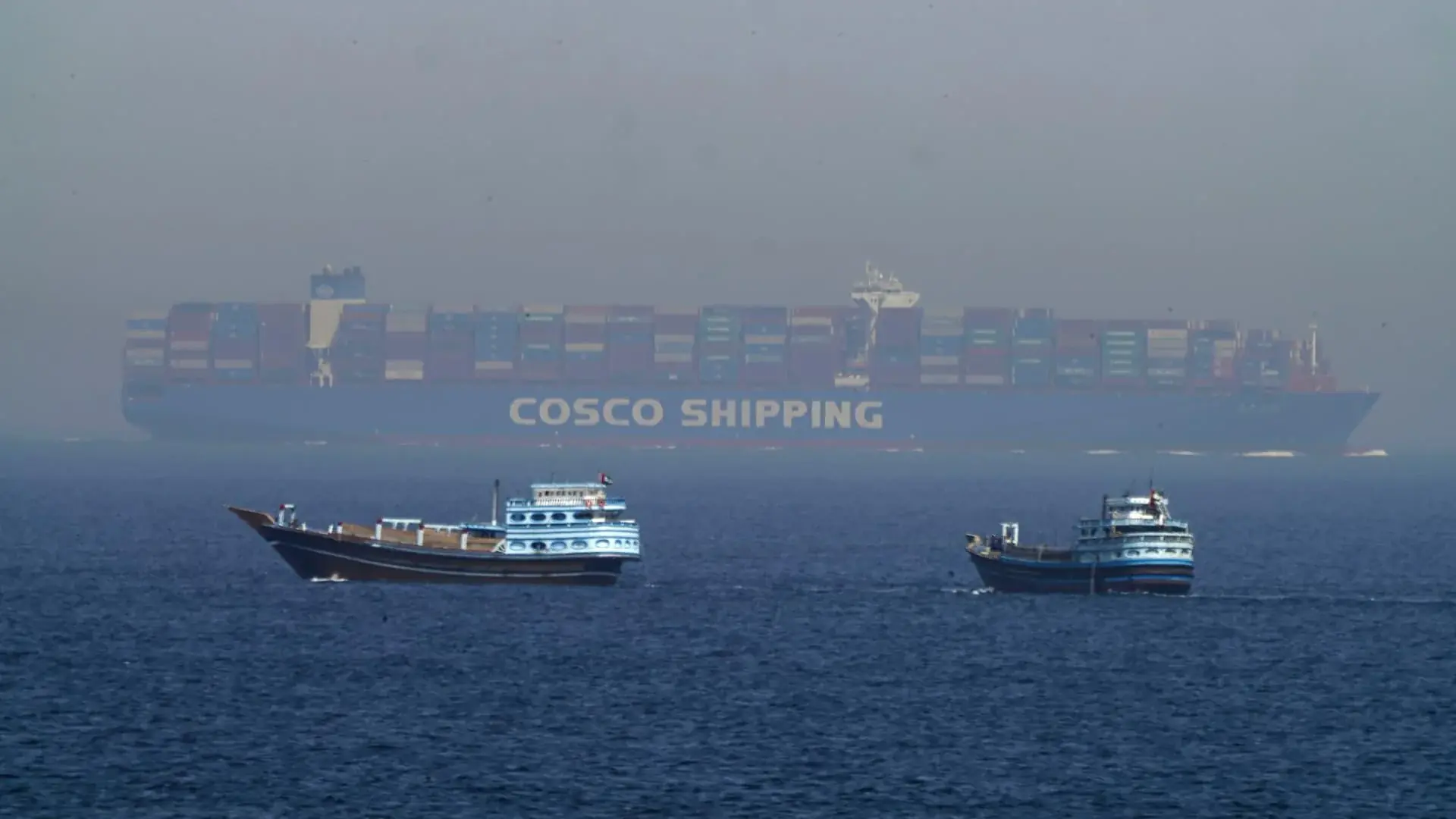
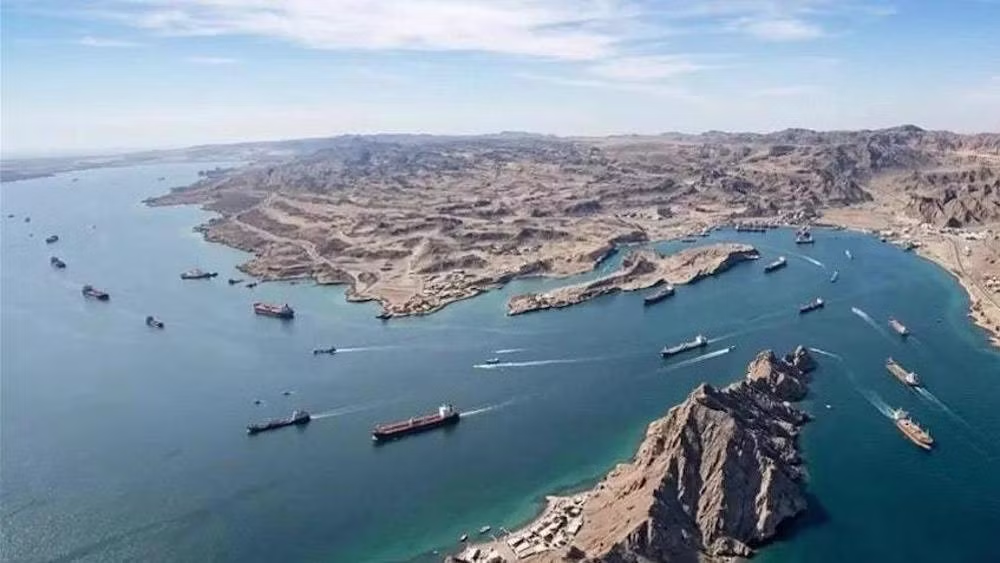
The Strait of Hormuz – a shipping route for about 20% of the world's crude oil supply – has been closed to U.S. and allied ships amid escalating conflict since late February. It is seen as a crucial strategic leverage point for Iran in the ongoing confrontation.
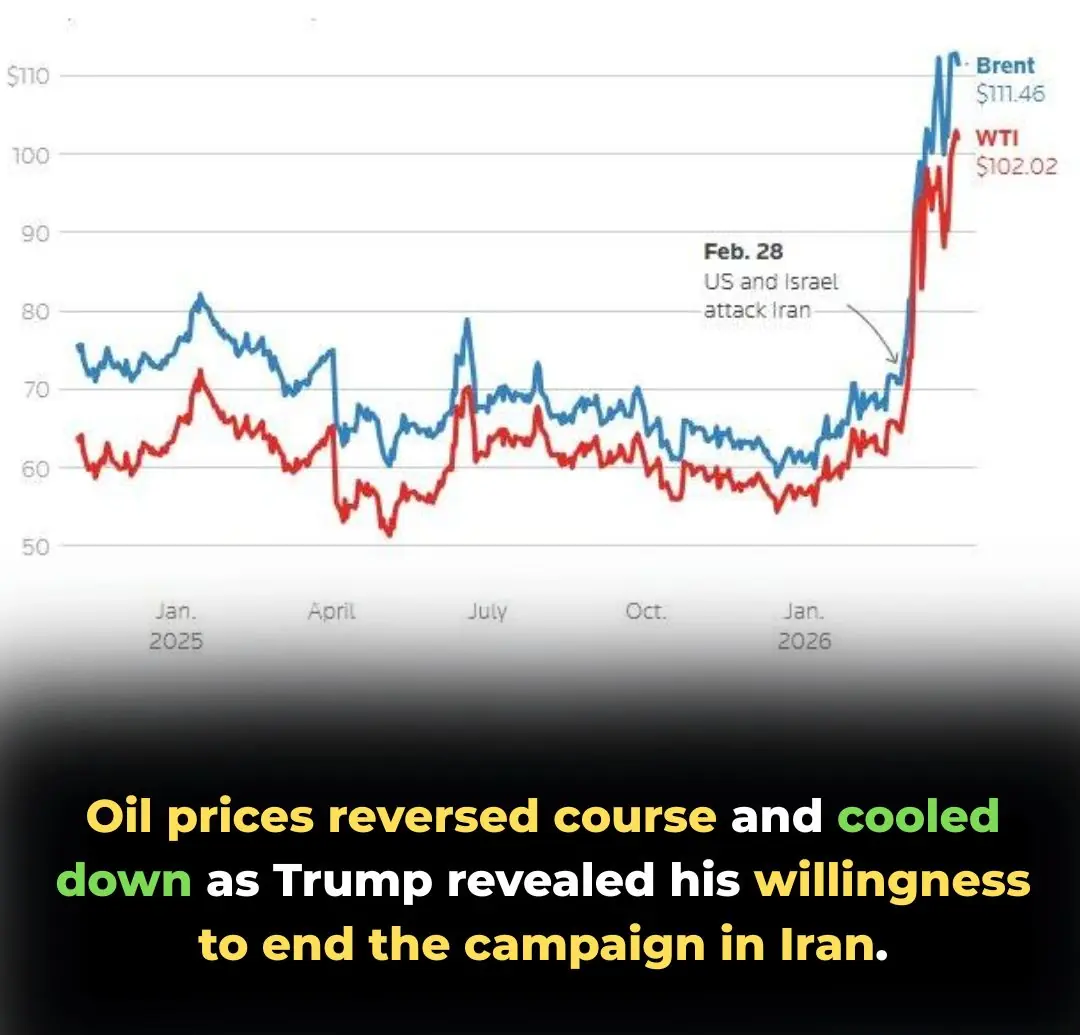
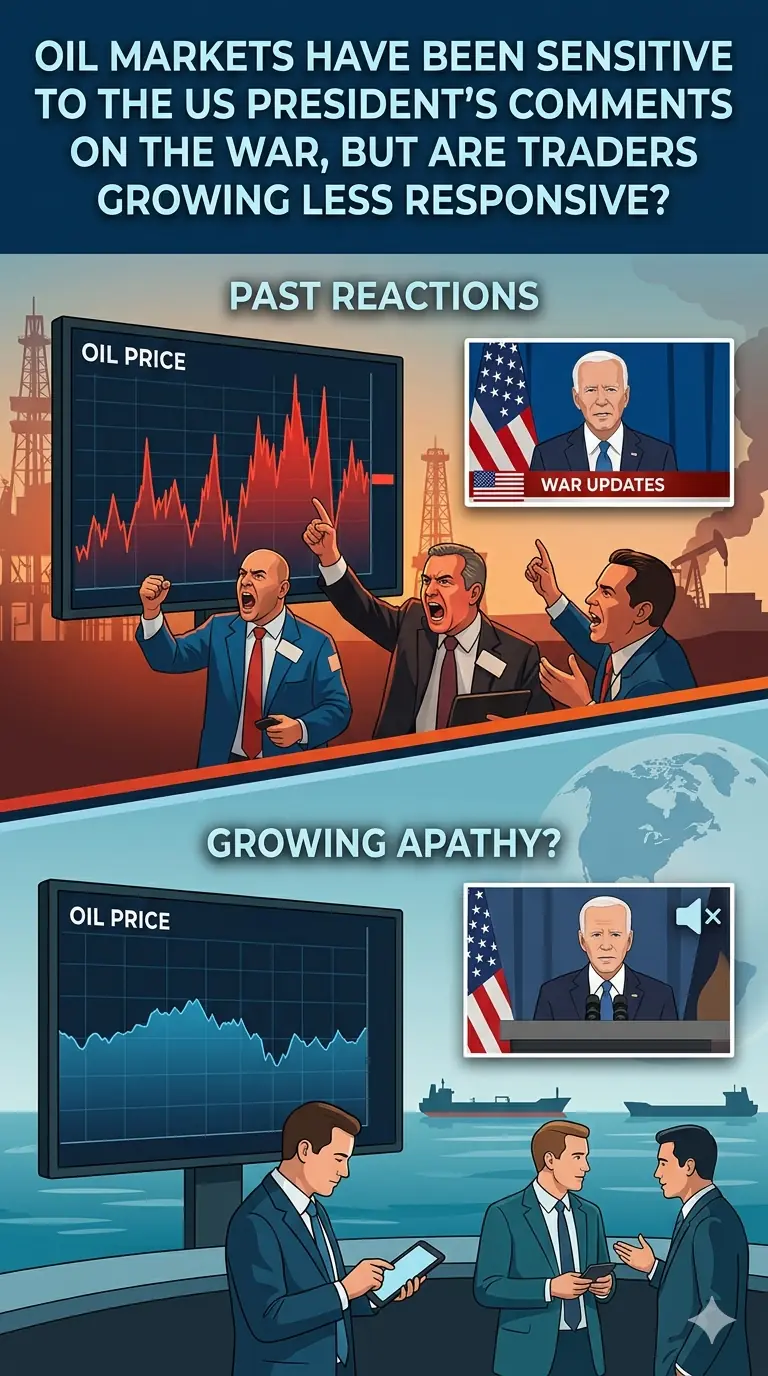
The blockade has effectively disrupted global energy supplies, driving Brent crude prices to record highs. Many experts warn that oil prices could reach $200 per barrel if tensions continue to escalate.
The soaring crude oil prices have quickly impacted the U.S. gasoline market. Average prices have risen above $4 per gallon, while diesel has reached $5-6 per gallon in many states, levels not seen in years. This surge is fueling widespread discontent across the United States.
Beyond crude oil, the closure of the strait to US and allied ships has also disrupted supplies of liquefied natural gas (LNG), fertilizers, and other essential goods, leading to significantly increased shipping and insurance costs.
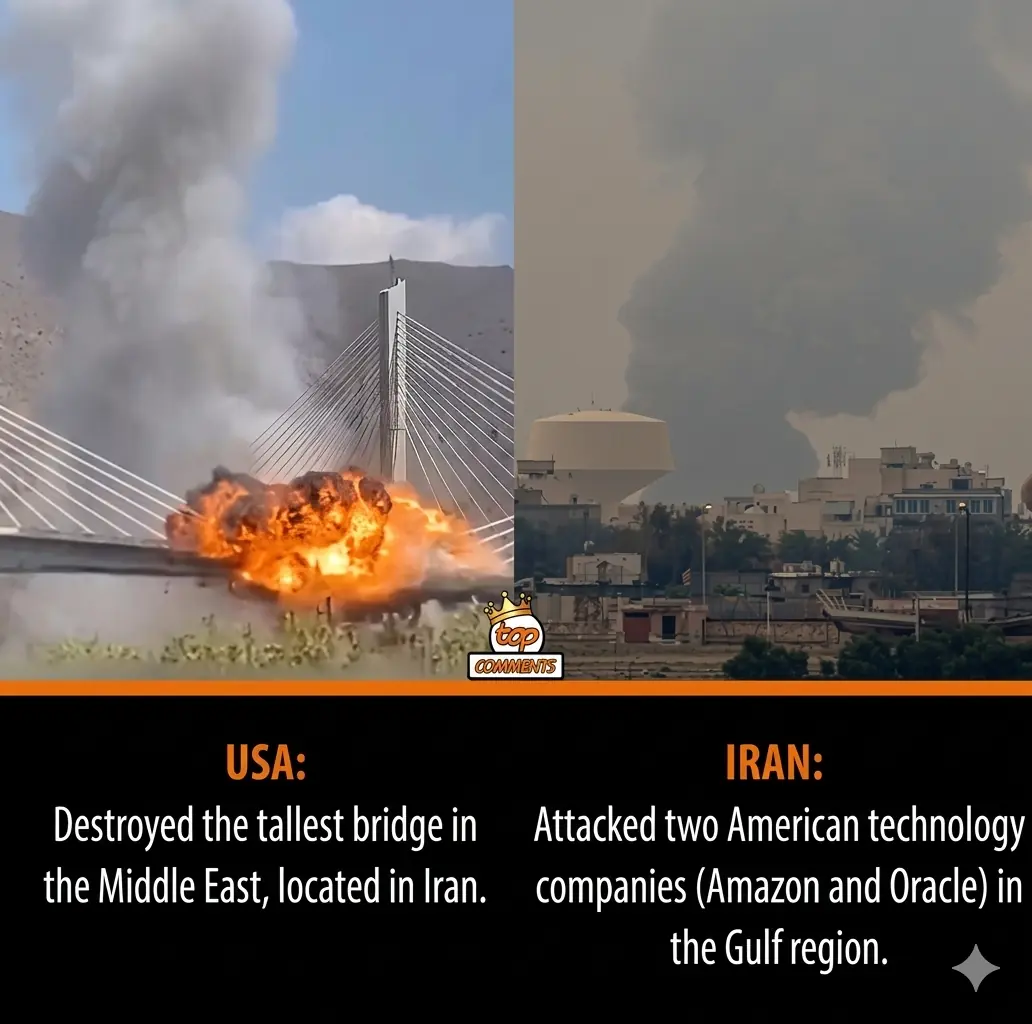
In response, US President Donald Trump has repeatedly warned that continued closures or disruptions to shipping through this strategic waterway would lead to serious retaliation, including attacks on Iranian power plants.
The initial 48-hour deadline was extended to five days and then ten days, even as Iranian armed forces rejected the threats and warned of strong countermeasures.
In an attempt to find a solution, Washington has called on its European allies to deploy naval forces to escort oil tankers through the area, but has received no positive response. Recently, Trump signaled that reopening the Strait of Hormuz is no longer a top military objective, raising the possibility that the U.S. could end the campaign even if this strategic shipping lane remains blockaded.